
Tokyo Mew Mew
On her first date with the cutest boy in school, Ichigo is zapped by a mysterious ray that scrambles her DNA with that of the endangered Iriomote wildcat. The next day, Ichigo discovers that she has developed the agility (and occasionally the ears and tail) of a cat, as well as the power to transform into a pink-haired superheroine, Mew Ichigo. She and four other girls, each endowed with the genes of a different "Red Data" animal, have been selected for the top-secret Mew Project, which aims to protect the Earth from an alien menace known as Deep Blue.
(Source: Anime News Network)
📺Anime Details
📝Editorial Analysis
The first time Ichigo’s ears flicker into existence—twitching at the sound of a distant siren, then vanishing as she blinks in confusion—it’s not spectacle. It’s intimacy. Her hand flies to her hairline, fingers brushing warm skin where fur should be, and for half a second, the world narrows to breath, heartbeat, and the quiet, dizzying terror of becoming other while still being herself. That moment isn’t about power-up logic or exposition—it’s the soft, startling weight of transformation as vulnerability, not victory.

What makes Tokyo Mew Mew vibrate with such singular warmth is how it holds tenderness and urgency in the same palm. It doesn’t treat environmental collapse or alien invasion as abstract stakes—it folds them into lunchbox notes, shared umbrella walks, the way Mew Mint’s voice catches when she admits she’s scared of failing her friends. There’s no grand monologue about extinction; there’s Ichigo staring at a wilted cherry blossom branch pressed between pages of her biology textbook, wondering if the Iriomote cat’s last pawprint was softer than hers. The anime’s feeling isn’t hope-as-weapon or destiny-as-script—it’s fragile continuity: the stubborn, glittering insistence that love, care, and small bodily changes (a tail curling around a chair leg, a nose twitching at rain) are how you hold the world together when it’s literally unraveling at the genetic level.
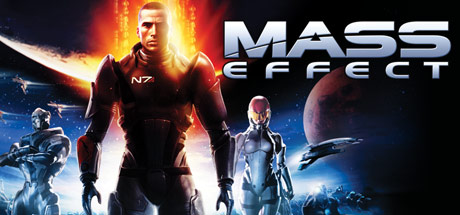
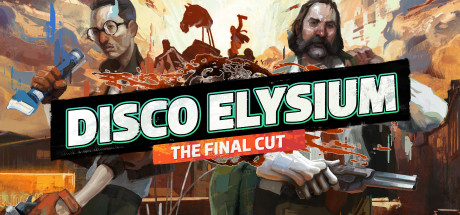
That emotional DNA pulses in surprising places—and three games mirror it with uncanny fidelity. Prince of Persia lands not because of acrobatics or sand magic, but because its melancholic exploration mirrors Ichigo’s quiet reckoning with her own body’s new grammar: the Prince moves through ruins where every crumbling arch echoes what it feels like to stand in your old classroom, suddenly aware your balance is different, your reflexes sharper, your sense of self revised. A player review calls it “an all-new epic journey”—but what lingers is the hush between leaps, the way light falls across broken mosaics like sunlight catching the faintest shimmer of Mew Ichigo’s pink hair mid-transformation. Then there’s Mass Effect (2007)—not the trilogy’s galaxy-spanning arcs, but this game’s specific alchemy: the raw, unpolished intimacy of Shepard’s first conversations on the Normandy, where romance isn’t scripted flirtation but hesitant eye contact across a galley table, just like Ichigo stammering over strawberry milk while trying not to blush at Masaya’s smile. Its Romance & Shoujo dimension isn’t about tropes—it’s about how love feels grounded, urgent, and quietly revolutionary when your very biology is contested. And Disco Elysium - The Final Cut, despite its rain-slicked noir surface, shares Tokyo Mew Mew’s obsession with melancholic exploration as emotional archaeology: every dialogue choice, every failed skill check, every time the detective stares at his own trembling hands—mirrors Ichigo tracing the outline of her own ear in a fogged bathroom mirror, wondering what part of her is still her. A review quotes capital’s cruel irony—but what resonates is the game’s insistence that identity isn’t fixed, it’s negotiated, just as Ichigo negotiates feline instinct and human kindness in the same breath.
This pairing sings for the viewer who cries during commercial breaks—not from sadness, but from recognition: the girl who keeps a terrarium on her desk and sketches endangered species in the margins of her math notes; the player who pauses mid-battle to watch NPCs share umbrellas in the rain, or who replays a quiet campfire scene just to hear a companion’s laugh one more time. They’re the ones who feel the weight of a single cherry blossom petal—and know, deep in their bones, that saving the world begins not with a scream, but with the soft, steady, trembling act of choosing kindness, even when your tail won’t stop swaying.
🎮27 Games That Match the Vibe








Match Dimensions Explained
❓Frequently Asked Questions
Why does Prince of Persia keep showing up in 'Games Like Tokyo Mew Mew' lists?
Because its 'Romance & Shoujo' + 'Melancholic Exploration' dimensions mirror Mew Mew's emotional core—like when the Prince quietly tends to wounded civilians in ruined palaces, echoing Ichigo’s tender care for injured animals before her transformation. The game’s lush, painterly world and emphasis on graceful, almost balletic combat (think: slow-motion acrobatics over crumbling bridges) echo the series’ blend of vulnerability and spectacle.
Is there a Tokyo Mew Mew video game adaptation?
No official Tokyo Mew Mew game exists—but fans often reach for *Disco Elysium - The Final Cut* when craving that same emotionally raw, character-driven intimacy. Its 'Romance & Shoujo' + 'Melancholic Exploration' alignment hits hard: like when you spend hours talking to a grieving bartender in Martinaise, it mirrors how Mew Mew leans into quiet, heavy moments—say, Minto crying alone after failing to protect someone, not just flashy fight scenes.
How does Mass Effect (2007) compare to Prince of Persia for Tokyo Mew Mew vibes?
Mass Effect (2007) leans harder into 'Romance & Shoujo' + 'Sci-Fi & Space'—think Shepard flirting with Liara in the dim blue glow of the Normandy’s observation lounge, or choosing empathy during a tense alien negotiation—while Prince of Persia swaps starships for sun-drenched ruins and focuses on poetic solitude and physical grace. Both have transformation arcs (Shepard becoming the galaxy’s hope / the Prince reclaiming his identity), but PoP’s melancholy is quieter, more introspective—closer to Ichigo’s private doubts than Shepard’s galactic speeches.
What’s the best Tokyo Mew Mew-like game if I want something bittersweet and atmospheric—not just sparkly?
Go straight to *Disco Elysium - The Final Cut*: its 'Romance & Shoujo' + 'Melancholic Exploration' combo nails that Mew Mew feeling of beauty tangled with sadness—like when you walk rain-slicked streets in Revachol, hearing your own thoughts argue about love and failure, much like Ryo’s conflicted glances at Ichigo or the girls mourning their lost human lives. It’s not magical-girl action—it’s the *heart* of Mew Mew, stripped bare and deepened.