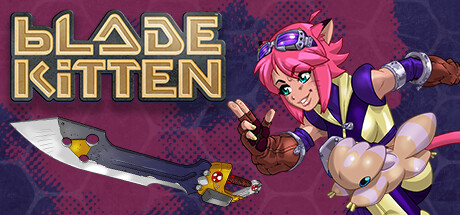
Blade Kitten
In Blade Kitten, join Kit Ballard as she explores the mysterious world of Hollow Wish to hunt down rogue mechs and soft targets.
🎮Game Details
💬What Players Say
"This game is significantly better than it has any right to be. One of my favorite hidden gems on Steam, in the world of action platformers. Make sure to get the complete pack, story is not complete without the DLC chapter."
📝Editorial Analysis
The first time Kit Ballard kicks off a gravity-defying wall-run across a crumbling orbital platform in Blade Kitten, her twin energy blades flaring cobalt against the bruised violet sky of Hollow Wish — that’s when it hits: not just speed, but weightless urgency. You’re not just dodging lasers; you’re airborne between breaths, heart thumping in sync with the synth-pulse soundtrack, chasing rogue mechs through a world that feels equal parts abandoned spaceport and neon-drenched dream. The official description calls it a hunt for “rogue mechs and soft targets” — clinical, almost bureaucratic — but the player review nails the dissonance: “This game is significantly better than it has any right to be.” That phrase lingers like exhaust smoke — admiration wrapped in disbelief, affection born from surprise.
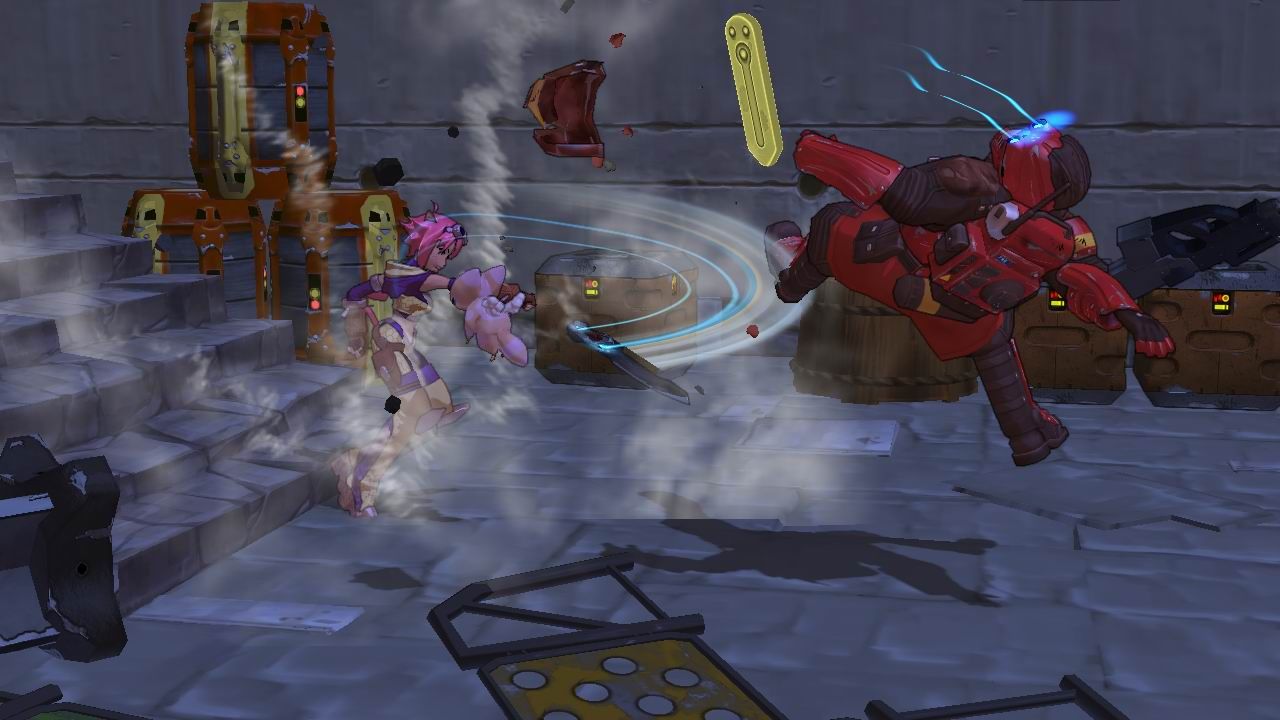
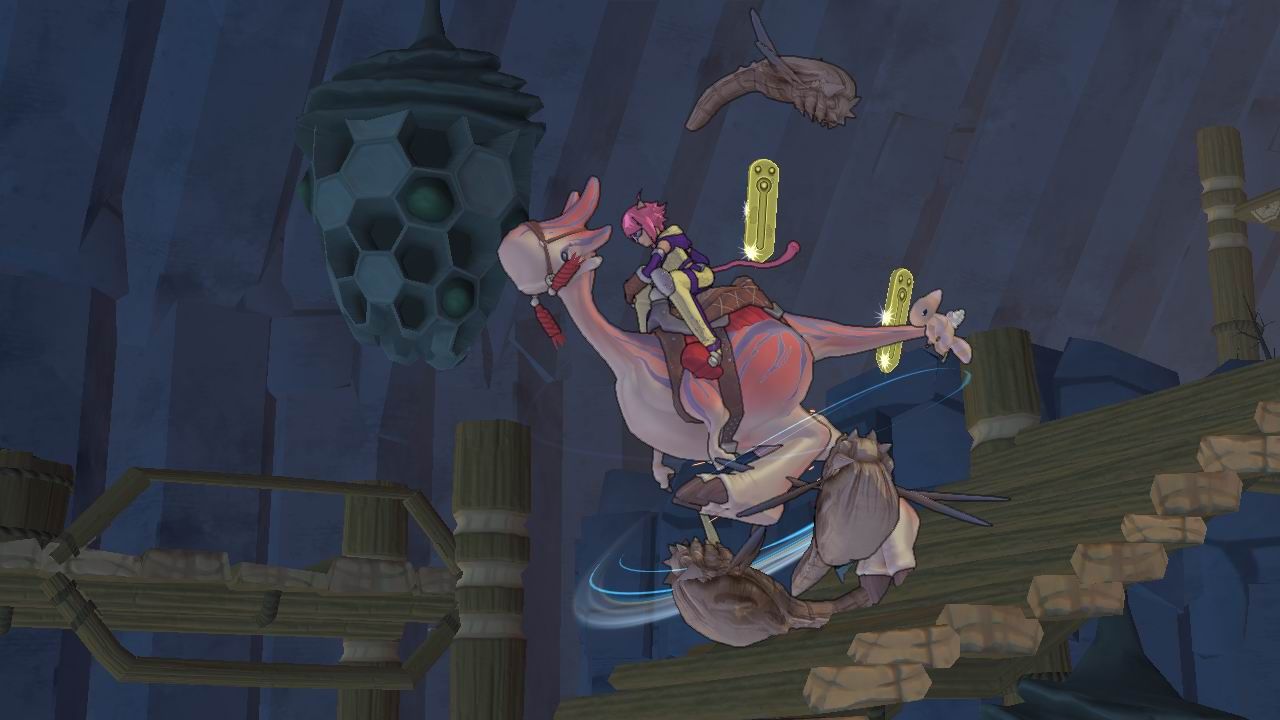
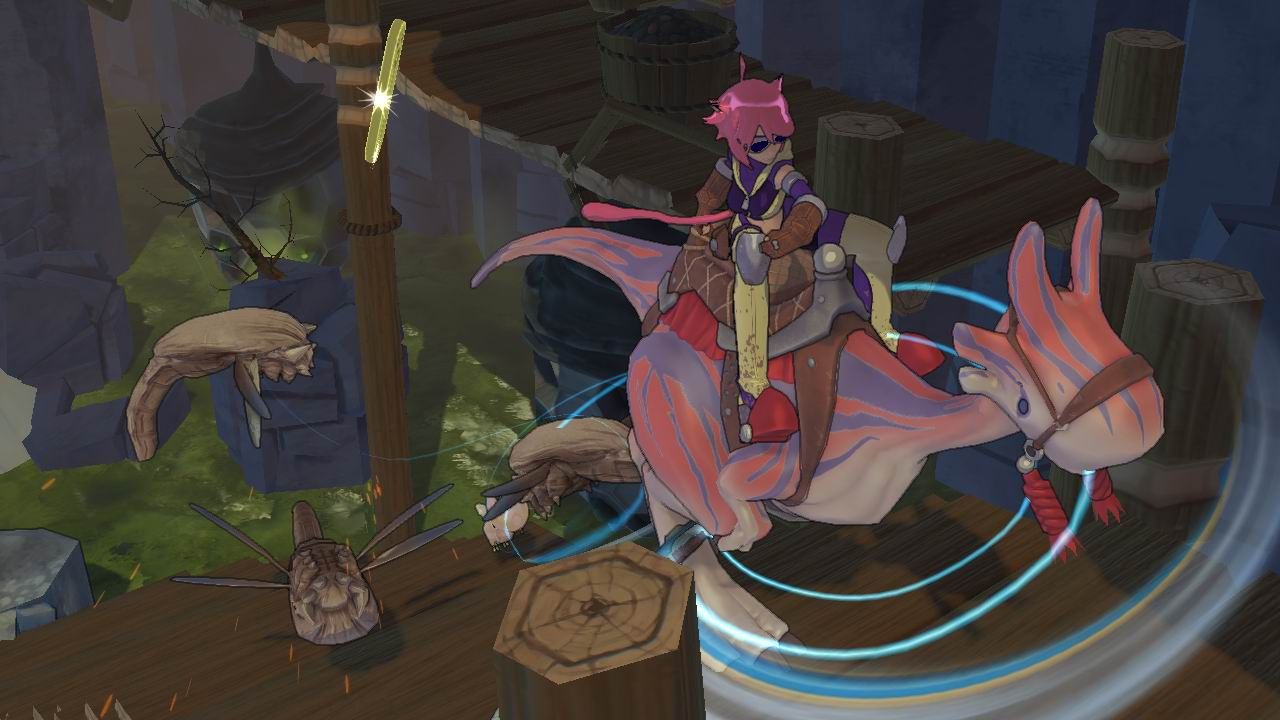
What makes Blade Kitten’s atmosphere singular isn’t its 2D action-platforming bones or its sci-fi setting — it’s the tonal tightrope it walks: sleek yet scrappy, futuristic yet handmade, high-stakes yet playful. Hollow Wish doesn’t feel like a meticulously rendered AAA sandbox; it feels like a place drawn in marker on the back of a rocket schematic — all sharp angles, sudden vertical drops, and flickering holographic billboards advertising things you’ll never buy. There’s no lore dump, no exposition dump — just Kit’s quiet focus, the hum of repulsor boots, and the satisfying crack-hiss of blade-on-armor. It makes you feel like you’re inside a story that’s already mid-sprint — no warm-up, no hand-holding, just motion, attitude, and the low, persistent thrill of being slightly outmatched but utterly unshaken.
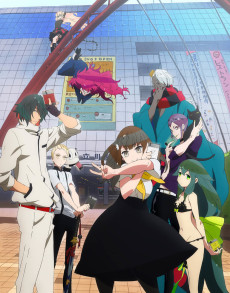
That same electric, unapologetically kinetic energy pulses through Go! Go! Loser Ranger! Season 2 — not despite its absurdity, but because of it. Like Blade Kitten, it trades realism for rhythm: giant robots don’t lumber — they snap into pose, weapons deploy with cartoonish fwip, and every dodge is a full-body swivel timed to a bass drop. Both treat sci-fi as a canvas for physical comedy fused with genuine stakes — Kit’s grin mid-air flip mirrors Loser Ranger’s deadpan salute before leaping into chaos. And the shared dimension? Action Spectacle, Sci-Fi & Space: not just spaceships and lasers, but the grammar of movement — how a character lands, how light bounces off armor, how silence hangs for half a beat before explosion.
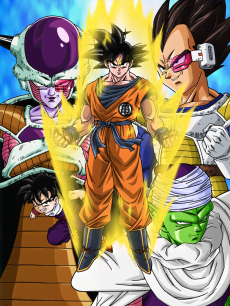
Then there’s Dragon Ball Z, and its many iterations (Dragon Ball Super, Dragon Ball Z Kai, Dragon Ball: Episode of Bardock) — all scoring nearly identically because they tap into the same primal frequency. Not the later, hyper-polished arena battles, but the early Saiyan Saga grit: cracked earth, sweat-slicked brows, ki blasts tearing jagged lines across starfields. Kit’s fights echo that — short, brutal exchanges where timing matters more than health bars, where a well-placed parry sends a mech reeling into zero-G, spinning like Vegeta after a Galick Gun. The Sci-Fi & Space dimension here isn’t about exposition — it’s about scale and consequence: Hollow Wish’s derelict stations mirror Namek’s shattered continents; both are backdrops where personal resolve bends physics. And Action Spectacle? It’s in the way a single frame holds Kit’s blade angled just so before she lunges — the same way DBZ holds Goku’s fist cocked, knuckles white, before the Kamehameha rips the air.
Who loves this pairing? The viewer who rewinds fight scenes not to study combos, but to feel the air shift — the player who skips cutscenes but replays boss intros three times just to hear the bassline swell as the camera tilts up. Not the completionist hunting trophies, but the rhythm hunter: someone who knows the difference between “fast” and alive, who gets chills when a character’s hair whips sideways mid-leap because the wind resistance was animated one frame too late — and that delay makes it real. They’re the ones who keep Blade Kitten’s complete pack installed not for the story (which, per the review, “is not complete wi…” — left hanging, like a promise), but for the texture of its world: the hiss of coolant vents, the way Kit’s jacket flares behind her like a comet tail, the quiet pride in her silence when the screen fades to black after a perfect run. That’s the DNA — not plot, not power levels, but velocity with soul.
→39 Anime That Match the Vibe

Hollow Wish’s neon-drenched orbital ruins echo Namek’s shattered gravity wells—both stages where kinetic action spectacle erupts in zero-G chaos. Kit Ballard’s acrobatic mech-slaying mirrors Goku’s early Saiyan Saga battles: rapid-fire combos, screen-filling energy bursts, and defiant grins mid-air. Unlike most spacefaring stories, neither leans on realism—instead, they weaponize sci-fi & space as pure visual rhythm, turning physics into punctuation. That shared refusal to let scale dull personality makes their synergy unexpectedly electric.
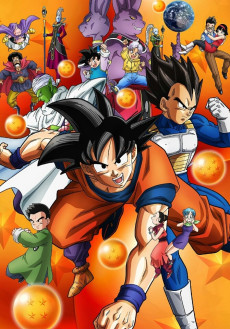
Hollow Wish’s neon-drenched orbital battlefields echo Dragon Ball Super’s Tournament of Power—where Kit Ballard’s acrobatic mech-hunting mirrors Goku’s gravity-defying clashes amid collapsing cosmic arenas. Unlike most sci-fi action, both weaponize explosive scale not just for spectacle 💥 but as narrative architecture: hollow planets and shattered universes alike become canvases for character-driven stakes. That shared rocket-fueled audacity 🚀—blending radish-farm tranquility with multiversal war—makes their tonal whiplash weirdly, brilliantly coherent.

Pure kinetic energy — the action choreography in both is some of the best in their medium.

Pure kinetic energy — the action choreography in both is some of the best in their medium.

Pure kinetic energy — the action choreography in both is some of the best in their medium.

Hollow Wish’s neon-drenched orbital bazaars pulse with the same chaotic energy as Season 2’s *Sentai Daishikkaku* training arc—where Loser Ranger’s malfunctioning mecha crash-land mid-battle, sparking slapstick and genuine stakes. Unlike most sci-fi pairings, their resonance isn’t just in 🚀 Sci-Fi & Space, but in how both weaponize absurdity: Kit Ballard’s deadpan mech-hunting mirrors the Rangers’ defiant, self-aware heroism amid bureaucratic failure. That shared tonal tightrope—between spectacle and sincerity—is unexpectedly sharp.
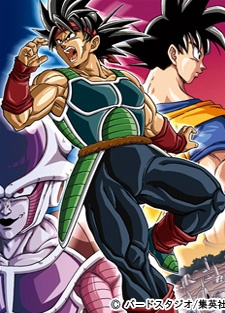
Hollow Wish’s neon-drenched orbital ruins echo Bardock’s time-shattered vision of Planet Vegeta—both fracture linear time to explore legacy through explosive, gravity-defying combat. 🚀 Where Kit Ballard dodges plasma fire from rogue mechs mid-air, Bardock battles alien warlords across fractured spacetime in Jump Festa 2012’s single-episode special, turning personal tragedy into kinetic sci-fi catharsis. This resonance isn’t just aesthetic—it’s structural: action spectacle becomes narrative language for confronting erased histories.
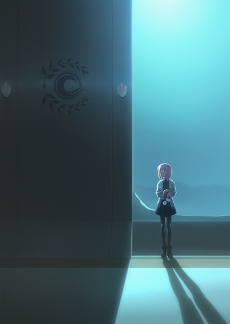
Pure kinetic energy — the action choreography in both is some of the best in their medium.
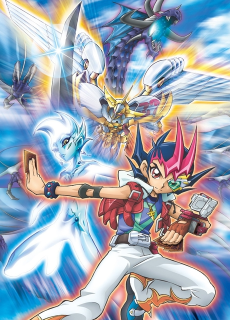
Pure kinetic energy — the action choreography in both is some of the best in their medium.
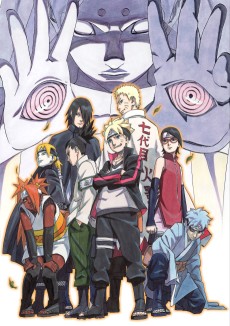
Hollow Wish’s neon-drenched orbital bazaars hum with the same kinetic urgency as Boruto’s climactic Rasengan clash against Momoshiki—both explode with 💥 Action Spectacle where personal stakes warp physics. Kit Ballard’s solo mech-hunting grit mirrors Boruto’s defiant, father-shadowed ambition in the movie’s quiet rooftop confrontation with Naruto. Unlike most spacefaring adventures, neither leans on lore dumps; instead, they fuse 🚀 Sci-Fi & Space with raw, generational friction—making their resonance feel electrically unexpected.


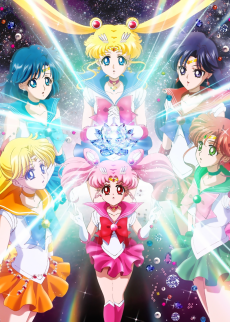


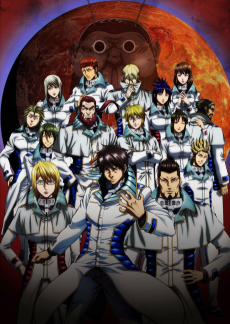
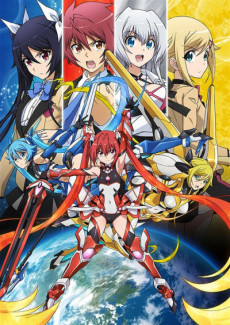
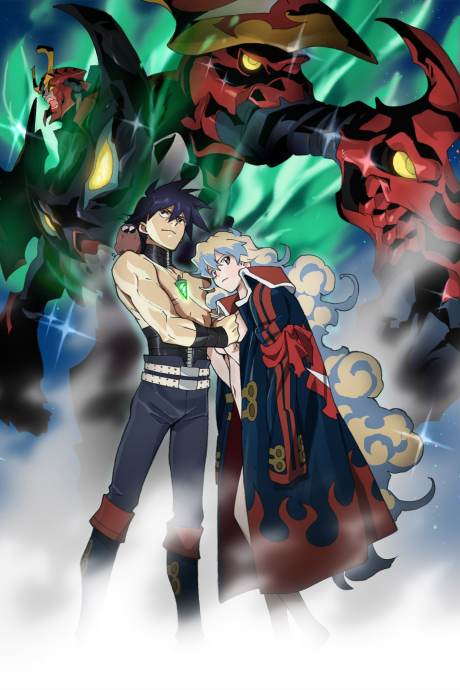
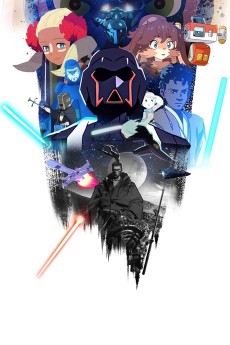

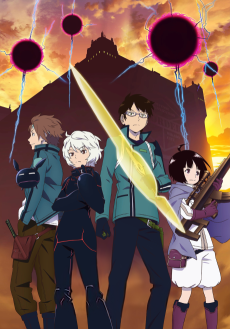


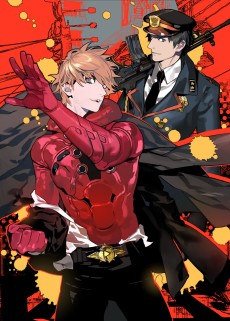
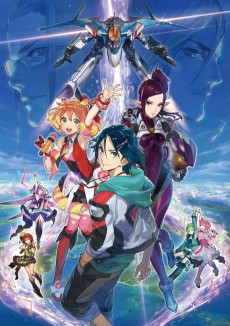
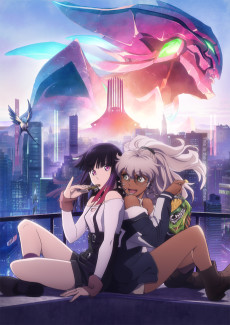
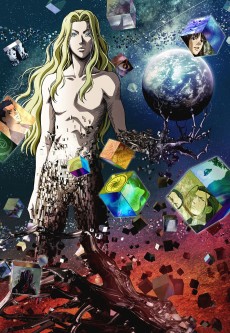
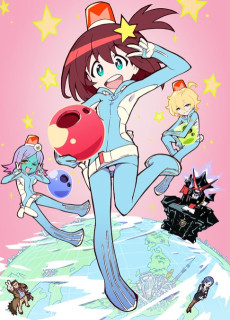

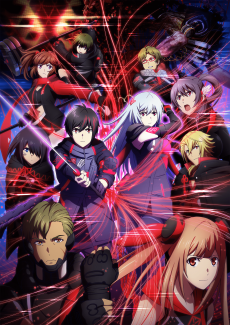
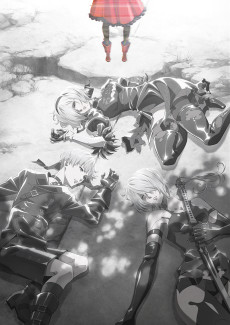
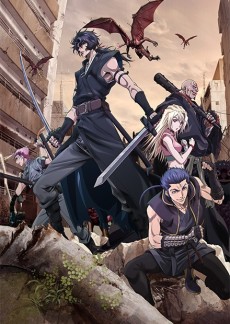
Match Dimensions Explained
❓Frequently Asked Questions
Why is Go! Go! Loser Ranger! Season 2 recommended for Blade Kitten fans?
Because both lean hard into over-the-top action spectacle with scrappy, wisecracking heroes battling rogue mechs in vibrant sci-fi settings — Kit Ballard’s Hollow Wish feels like a grittier cousin to Loser Ranger’s neon-drenched, mech-busting chaos. You’ll spot the same energy in how Kit dodges laser barrages mid-air while bantering, just like the Ranger squad flipping off giant robots before blowing them up with absurdly creative gadgets.
Is there a Dragon Ball Z anime adaptation of Blade Kitten?
Nope — Blade Kitten is a standalone indie action platformer with no official anime adaptation. But Dragon Ball Z (and its variants like Z Kai and Super) made the match list because they share Blade Kitten’s core DNA: high-stakes spacefaring combat, explosive martial-arts-meets-mech battles, and that ‘lone hunter vs. cosmic threat’ vibe — think Goku powering up against Frieza in Namek’s ruins, mirroring Kit’s solo takedowns of rogue mechs in Hollow Wish’s derelict orbital stations.
How does Dragon Ball Z compare to Blade Kitten in tone and pacing?
They’re cut from the same cloth — fast, flashy, and unapologetically physical. Kit’s whip-crack combos and wall-jump evasions feel like a tighter, 2D-platformer version of Goku’s rapid-fire ki blasts and instant teleportation dodges. Both hit hard in short bursts: Kit clearing a wave of soft targets in under 30 seconds mirrors Vegeta’s brutal, no-nonsense beatdowns in early DBZ arcs — zero filler, all impact.
What if I love Blade Kitten’s mix of snarky hero + rogue mechs in space — what’s the best anime for that exact vibe?
Go! Go! Loser Ranger! Season 2 is your best bet — it nails Kit Ballard’s blend of sarcastic charm and high-octane mech hunting, but with even more chaotic humor and visual flair. Picture Kit’s dry one-liners landing right before she grapples a rogue mech into a gravity well… then swap her for the Ranger squad yelling nonsense while launching a toaster-shaped missile at a sentient satellite. Same energy, same stakes, same *delicious* space-trash aesthetic.