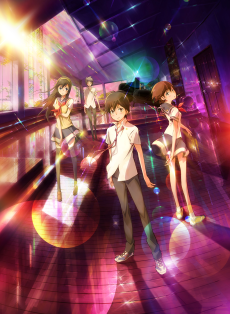
Psychic School Wars
Spring marks the start of another new school year at a junior high school in Kamakura. A new transfer student, Ryoichi Kyogoku joins the 8th grade. Kyogoku has a very special proficiency in telepathy and has been ordered by his father to use this ability to scan other people's minds and take over the school.
He instantly gains popularity at school from his good looks and charisma and he sets about taking control of the school. As people begin to fall under Kyogoku's spell, he covertly manipulates his followers and pushes aside anyone who gets in his way.
With the school almost completely under the control of Kyogoku, only one boy seems unaffected—Seki. Does Seki have what it takes to save everyone from the clutches of mind control?
(Source: Scotland Loves Animation)
📺Anime Details
📝Editorial Analysis
The scent of cherry blossoms hangs thick and sweet over Kamakura’s junior high courtyard—petals drifting like slow-motion snow—but Ryoichi Kyogoku doesn’t look up. He stands beneath the tree, hands in his pockets, expression unreadable as he listens. Not to birds or laughter or the distant chime of class bells—but to the raw, unfiltered static of thirty-seven minds at once: a girl’s quiet panic about her math test, a boy’s clumsy fantasy about the teacher, another’s gnawing loneliness buried under bravado. His telepathy isn’t clean. It’s heavy, humid, morally sticky—and that’s the first breath of Psychic School Wars: not wonder, but weight. The weight of knowing too much, too young, while pretending to be just another kid adjusting to spring.
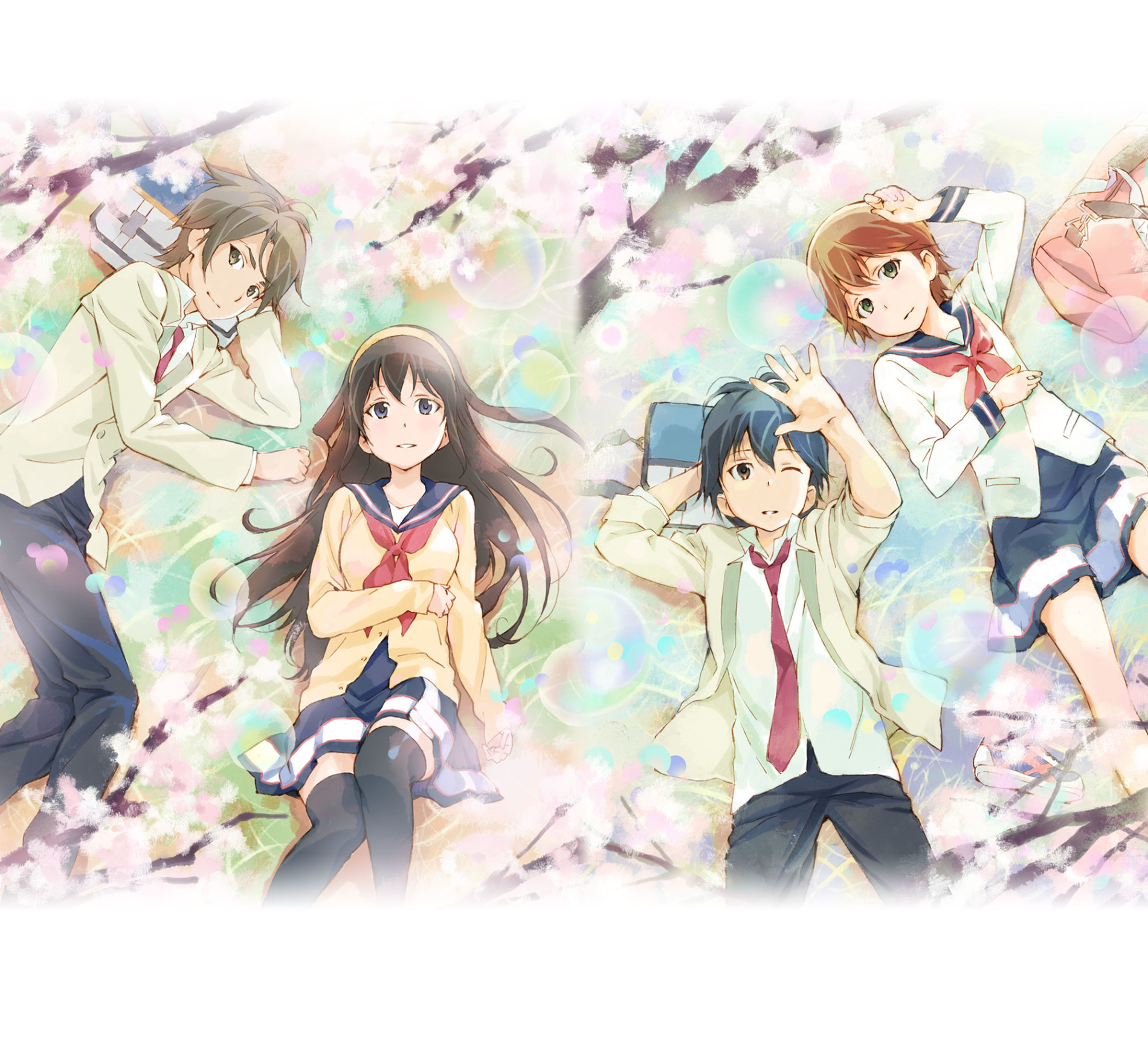
What makes Psychic School Wars ache so distinctly isn’t its sci-fi scaffolding—it’s how it treats intimacy as an ethical minefield. Every glance exchanged between Kyogoku and the female protagonist carries the tremor of violation masked as connection; every moment of forced charm feels like a slow erosion of self. This isn’t teenage romance dressed in psychic glitter—it’s philosophy wearing school uniforms. You don’t fall for someone here—you interrogate them, even accidentally. The tragedy isn’t that love fails, but that understanding itself becomes a kind of trespass. It leaves you thinking—not about powers or plot twists—but about consent folded into silence, about how much of ourselves we surrender just to belong, and how easily charisma can hollow out compassion. It’s quiet, claustrophobic, inescapable.
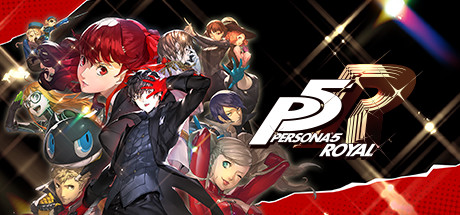
That same emotional gravity pulses through Persona 5 Royal, where daily life isn’t downtime—it’s moral calibration. Like Kyogoku scanning minds, Joker builds relationships by choosing what to reveal, when to push, when to hold back. The player review nails it: “The seamless transition between daily life…”—yes, exactly. That rhythm—school bell to confessional rooftop, classroom to cognitive dungeon—mirrors Kyogoku’s dual existence: charming frontman by day, reluctant psychic operative by night. Both ask: How much of yourself must you perform to protect the people you care about? And both answer with exhaustion, not triumph.
Then there’s Dragon Age: Origins, where legacy isn’t earned—it’s negotiated, often painfully. The description asks: “What will be said about the hero who turned the tide?” Kyogoku isn’t saving anyone—he’s being weaponized by his father, his power framed as control, not care. Yet in the quiet moments—the hesitation before a mental nudge, the way he watches the female protagonist laugh without reaching into her thoughts—that same tension lives: the burden of agency in a world that’s already decided your role. The player review’s praise for the “pause attack mechanic” resonates deeply—not as gameplay convenience, but as emotional punctuation. Like Kyogoku freezing mid-thought before violating someone’s inner world, that pause is where ethics breathe.
And Disco Elysium - The Final Cut, with its line—“Capital has the ability to subsume all critiques into itself…”—lands like a stone in the stomach. Because Kyogoku’s father doesn’t just order him to take over the school; he frames domination as discipline, surveillance as duty. The anime never names capitalism, but it feels like systemic capture: the institution as machine, the mind as terrain to be mapped and managed. Disco Elysium’s detective doesn’t solve crimes—he dissects ideology embedded in alleyways and barstools. Kyogoku does the same in hallways and lunchrooms. Both are stories about trying to stay human inside systems that demand you become a function.
This pairing isn’t for fans of flashy powers or tidy resolutions. It’s for the person who rewatched that one quiet scene—Kyogoku walking home alone after using his ability on someone he liked—and felt their throat tighten. It’s for the player who lingered in Persona 5 Royal’s rainy Shibuya streets just to hear the soundtrack swell, not because they wanted to win, but because they needed to feel the cost of caring in a world that rewards detachment. It’s for the one who paused Dragon Age: Origins mid-battle—not to strategize—but to reread a companion’s journal entry about grief. For the reader who underlined that line from Disco Elysium, then closed the game and stared out the window for ten minutes. These aren’t stories about changing the world. They’re about holding onto your soul while the world tries, gently and relentlessly, to scan it.
🎮11 Games That Match the Vibe



Match Dimensions Explained
❓Frequently Asked Questions
Why is Persona 5 Royal always recommended for fans of Psychic School Wars?
Because both hinge on emotionally charged teen protagonists navigating secret identities, intense school-life rhythms, and deeply personal relationship-building—like Joker’s bond with Ann or Ryuji mirroring Psychic School Wars’ focus on trust and vulnerability. The stylish UI, turn-based combat with elemental weaknesses, and that addictive daily loop of studying, socializing, and dungeon-crawling (Mementos vs. the psychic battlegrounds) hit the same narrative-and-mechanics sweet spot.
Is there an anime or manga adaptation of Psychic School Wars?
No official anime or manga adaptation exists—but if you’re craving that same blend of emotional depth and supernatural school drama, Dragon Age: Origins delivers similar weight through its romance arcs (like Morrigan’s morally complex bond or Leliana’s quiet devotion) and world-shaking choices, all wrapped in a richly voiced, pause-to-strategize RPG framework that feels like living inside a shoujo-tinged epic.
How does Disco Elysium compare to Psychic School Wars in terms of tone and character writing?
While Psychic School Wars leans into earnest, heartfelt teen melodrama, Disco Elysium trades that warmth for razor-sharp, melancholic noir—think Harry DuBois arguing with his own Skill Checks ('Logic' scolding him mid-thought) instead of psychic duels in a classroom. But both nail 'Romance & Shoujo' and 'Emotional Narrative' by making every conversation matter: your choices with Kim Kitsuragi or the runaway boy in Revachol land with the same emotional heft as confessions under cherry blossoms.
What’s the best game like Psychic School Wars if I want something moody, atmospheric, and full of quiet character moments?
Jade Empire™: Special Edition—it’s got that hushed, painterly atmosphere (especially in the Lotus Marsh or Imperial City at dusk), where martial arts training scenes double as intimate character studies, and your choice between Open Palm (compassion) or Closed Fist (power) echoes Psychic School Wars’ moral weight. Plus, the romance options—like the tragic, layered bond with Dawn Star—land with the same emotional precision as the best shoujo-inspired moments.