
NANA
Two twenty-somethings seemingly share nothing in common apart from their first name, but a chance meeting on a train bound for Tokyo sets Nana Komatsu and Nana Oosaki on a collision course with destiny. Nana Komatsu, a love-at-first-sight dreamer, aims to find enduring happiness in the big city. Nana Oosaki, neo punk rock vocalist, pursues her burning ambitions of musical stardom and worldwide fame. As their fates increasingly intertwine, they each chase their dreams — until the harsh realities of life in big city Tokyo threaten to tear everything apart.
(Source: Sentai Filmworks)
📺Anime Details
📝Editorial Analysis
The rain on the train window blurs Tokyo’s neon into bleeding streaks of red and violet—Nana Komatsu presses her forehead to the glass, breath fogging the cold surface, while Nana Oosaki sits across the aisle, fingers drumming a restless rhythm on her worn guitar case. Neither speaks. Neither needs to. In that silence, thick with unspoken longing and exhaustion, NANA doesn’t announce itself as drama or romance—it settles, like smoke in a cramped Shinjuku apartment after a gig, heavy and intimate and impossible to ignore.
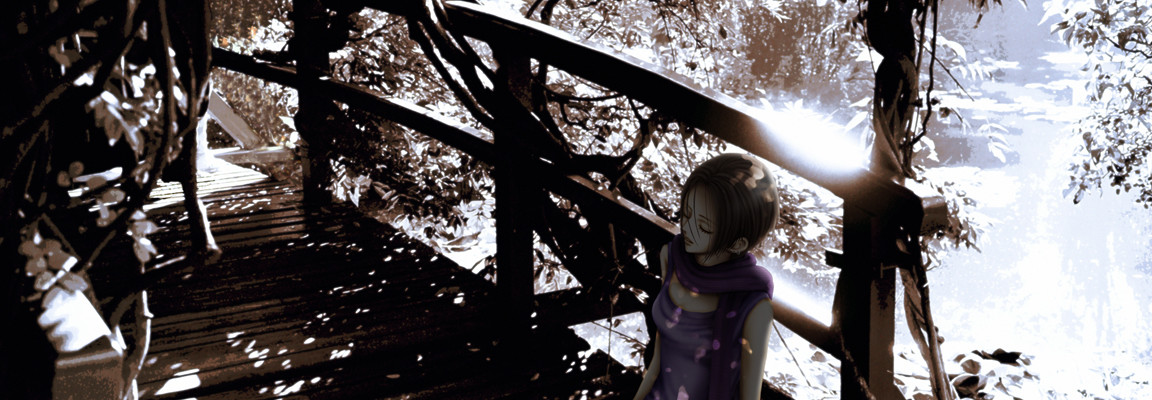
What makes NANA vibrate so deeply isn’t its rock music or love triangles—it’s the weight of ordinary time. Not montage time. Not plot-time. The slow, sticky drag of mornings after bad decisions, the hollow echo of an empty apartment at 3 a.m., the way a shared cigarette tastes like both comfort and surrender. It makes you feel tired, yes—but also seen, in the rawest, most unglamorous sense. It asks you to sit with contradiction: ambition and fragility, loyalty and betrayal, love that lifts you and love that drowns you—all without moralizing. You don’t watch it to escape adulthood. You watch it because it refuses to look away from adulthood’s quiet fractures.
That same emotional gravity pulses through Persona 5 Royal—not in its heists or masks, but in how it structures feeling. The description says you “explore Tokyo, build relations,” and the player review nails it: “the seamless transition between daily life…” That’s NANA’s heartbeat—the way a conversation at a ramen shop or a missed call from a lover carries more narrative weight than any concert climax. Both live in the liminal hours: commuting, studying, rehearsing, waiting. Both treat romance not as fantasy, but as labor—requiring patience, missteps, and real consequence. When Joker walks past Shibuya Crossing at dusk, headphones on, the city humming beneath his feet, it’s the same ache as Nana Oosaki staring at her reflection in a cracked mirror after a fight—lonely, determined, human.
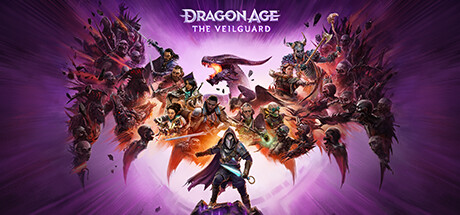
Then there’s Dragon Age: Origins, where the description frames your journey as defining “your legacy” amid war and sacrifice—and the player review praises its “pause attack mechanic… help a lot to strategist your tactic.” That pause is key. Like NANA, this game forces stillness within chaos: mid-battle, you freeze time to choose not just who to strike, but who to be. A romance with Leliana isn’t unlocked by dialogue trees alone—it’s earned through shared silences in camp, through carrying her grief when she breaks, through choosing her humanity over her duty. Just as Nana Komatsu’s pregnancy isn’t a plot device but a slow, physical reckoning—with time, with consequence, with self—you don’t rush through Dragon Age’s emotional arcs. You hold them. You weigh them. You let them change your posture.
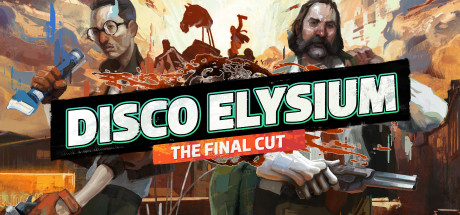
And Disco Elysium - The Final Cut, though tonally grittier, shares NANA’s obsession with interior collapse. Its description calls it “a groundbreaking role playing game” where you “carve your path across” a city—and the player review quotes philosophy about capital subsuming critique. That’s NANA’s undercurrent too: the way systemic pressures—rent, industry expectations, gendered judgment—bend the characters’ choices until they’re no longer choices at all, just survival. Harry’s voice in your skull, arguing with himself while rain drums on a broken roof? That’s Nana Oosaki’s internal monologue after losing her band, stripped bare—not melodrama, but psychological weather. Both refuse tidy resolutions. Both make you sit inside the fog of consequence, long after the credits roll.
This pairing isn’t for fans of “epic” or “escapist.” It’s for the person who rewatches NANA not for the fashion or the songs, but for the way Nana Komatsu’s laugh cracks just once—on episode 17—when she tries to sound sure of herself. It’s for the player who saves before every major dialogue in Persona 5 Royal, not out of fear of failure, but because they need to honor how much each word costs. It’s for the one who lingers in Dragon Age’s campfire scenes, listening to Alistair tell terrible jokes, because laughter feels like oxygen after grief. It’s for those who understand that the most devastating stories aren’t about falling—but about how quietly, how relentlessly, we keep standing up anyway.
🎮12 Games That Match the Vibe






Match Dimensions Explained
❓Frequently Asked Questions
Why does Persona 5 Royal keep coming up in NANA game recommendations?
Because both dive deep into messy, emotionally charged relationships with flawed, charismatic characters—like how Persona 5’s Ann Takamaki and Ryuji Sakamoto mirror NANA’s layered friendships and romantic tensions. The daily life rhythm, confessional dialogue scenes, and emphasis on emotional growth (especially during Confidant events or the Velvet Room talks) hit that same bittersweet, character-driven vibe fans love in NANA.
Is there an anime or live-action adaptation of Dragon Age: Origins like there is for NANA?
No—Dragon Age: Origins has no official anime or live-action adaptation (unlike NANA’s two anime seasons and a film). But if you’re craving that same weighty romance and morally gray party dynamics, stick with the game itself: Morrigan’s sharp wit and Alistair’s reluctant idealism deliver the kind of slow-burn, emotionally fraught chemistry NANA fans recognize instantly.
How is Jade Empire different from Mass Effect (2007) for someone who loves NANA’s emotional storytelling?
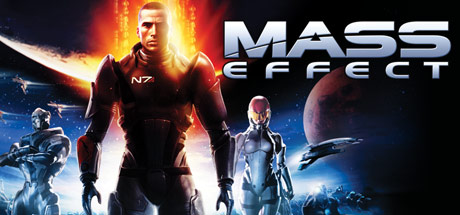
Jade Empire leans into intimate, poetic tragedy—think Li Xiao’s quiet loyalty or Master Li’s heartbreaking betrayal—whereas Mass Effect (2007) spreads its emotional beats across galaxy-spanning stakes and squad banter (like Garrus’s dry loyalty mission or Liara’s shy curiosity). Both have Romance & Shoujo and Emotional Narrative dimensions, but Jade Empire’s wuxia-inspired personal honor code feels closer to NANA’s grounded, relationship-first intensity.
What’s the best NANA-like game if I want something melancholic but beautiful, not action-heavy?
Disco Elysium — especially during rainy-day walks through Martinaise or quiet conversations with Kim Kitsuragi — nails that haunting, lyrical sadness NANA fans cherish. Its dim: Romance & Shoujo and Emotional Narrative focus means every choice echoes with regret, longing, or fragile hope—no combat, just raw, voice-acted humanity and writing that stings like NANA’s ‘Endless Road’ scene.