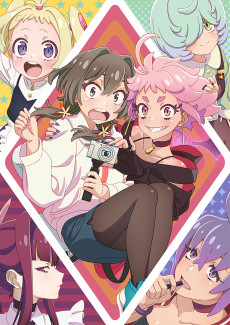
MAYONAKA PUNCH
Meet Masaki, the now former member of the popular NewTuber group, Harikiri Sisters. After a career setback, aka getting fired unexpectedly via a livestream, she joins forces with Live, a partner with superhuman abilities. Together, they aim to create sensational content and reach 1 million subscribers. Will they reach their content dreams or be hit with the block button?
(Source: Crunchyroll)
📺Anime Details
📝Editorial Analysis
The flicker of a phone screen in the dead hour—3:47 a.m., cold light pooling on Masaki’s tired face as she watches her own termination livestream replay for the third time. Her thumb hovers over the block button—not to delete, but to pause, to hold the shame like a specimen under glass. Then Live appears in the doorway, barefoot, fangs glinting faintly, holding two lukewarm cans of melon soda. No grand speech. Just a quiet clink as she hands one over. That’s not the start of a comeback arc. It’s the start of something quieter, heavier: a shared breath in the wreckage of public failure.

That’s the atmosphere of MAYONAKA PUNCH—not whimsy, not camp, not even irony. It’s exhaustion with warmth. It’s the weight of adult collapse—the kind that doesn’t come with orchestral swells or villain monologues, but with muted notifications, empty DMs, and the low hum of a fridge in a too-quiet apartment. The supernatural isn’t spectacle here; it’s texture. Live’s vampirism isn’t about bloodlust—it’s about how she wakes at 2 a.m. sharp, moves without sound, and remembers exactly how many sips Masaki took from her last soda can. The monster girls aren’t fetishized—they’re roommates, collaborators, co-conspirators in rebuilding something fragile and human despite their nonhuman edges. This is urban fantasy stripped of glitter: no chosen ones, no prophecies—just women stitching dignity back together, stitch by imperfect stitch.
Which is why Dragon Age: Origins lands with such startling resonance. Its description asks: “What will be said about the hero who turned the tide?” Not “Will you win?”—but what story gets told, and who controls it? Masaki’s entire arc mirrors that question: she’s been erased from Harikiri Sisters’ narrative, her voice overwritten by algorithm and optics. Like the Grey Warden, she’s handed a role she didn’t ask for—a second chance that feels less like destiny and more like damage control. And that player review nails it: “the story is great and its pause attack mechanic is amazing… help a lot to strategist your tactic.” Pause. Strategize. Breathe. That’s Masaki editing footage at 4 a.m., cutting out flinches, re-recording lines, learning how to control the frame—not to lie, but to reclaim agency. Both works treat narrative as terrain you navigate, not a path you follow.
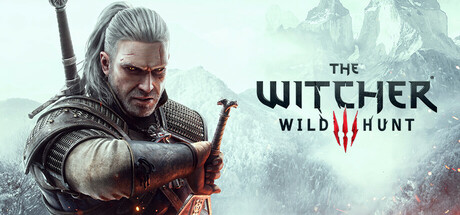
Then there’s The Witcher 3: Wild Hunt, where Geralt tracks Ciri across a war-torn continent he didn’t choose to inherit. His world is saturated with consequence—every contract leaves scars, every choice echoes in side rooms and abandoned cottages. The anime’s cohabitation isn’t cozy; it’s layered with unspoken histories—Live’s past as a “superhuman partner” hints at systems that used her, discarded her, then recast her as content. That matches the emotional DNA of Geralt’s journey: not just fighting monsters, but surviving after the myth has been written about you. The player review says “DLC announced 11 years after release, my favourite game keeps getting better…”—a testament to how deeply the world lives on, long after the main quest ends. So does Masaki’s apartment. You feel the weight of what’s unsaid in every glance between Live and the vampire barista down the street, every time the camera lingers on a half-packed box in the closet—history that refuses to stay buried.
And Hollow Knight, with its ruined kingdom of insects and heroes, shares that same quiet ache of persistence. Its description invites you to “forge your own path”—not through triumph, but through repetition, decay, and small acts of care: healing a bug, lighting a lantern, returning a lost locket. Masaki’s grind isn’t viral fame—it’s showing up. Editing thumbnails. Learning Live’s tells. Remembering which tea calms which roommate’s anxiety. The player review calls it “Lovely story. Hard gameplay.” Yes—the loveliness isn’t in ease. It’s in the stubborn tenderness of continuing, even when the map is crumbling beneath you.
This pairing is for the person who’s ever deleted a tweet mid-sentence, then opened a blank doc anyway. For the viewer who watches Masaki stare at her reflection in a dark phone screen and thinks, I know that stillness. For the player who paused The Witcher 2 not to plan a combo—but to reread a letter from a companion they’d failed to save. These are stories for those who understand that resilience isn’t loud. It’s melon soda at 3:47 a.m. It’s choosing, again and again, to sit beside someone in the dim.
🎮20 Games That Match the Vibe



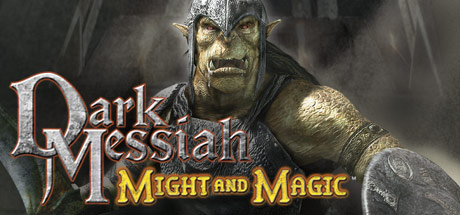
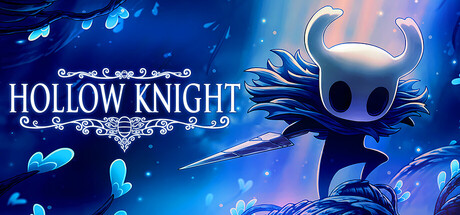
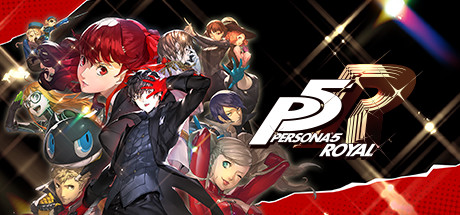
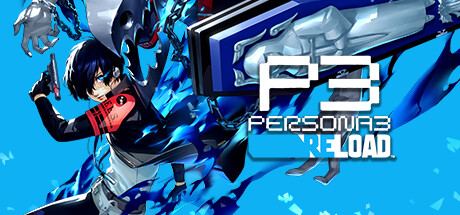

Match Dimensions Explained
❓Frequently Asked Questions
Why does MAYONAKA PUNCH feel so much like The Witcher 3 but with shoujo romance vibes?
Because both lean hard into Emotional Narrative and Dark Fantasy, but MAYONAKA PUNCH layers in Romance & Shoujo — something The Witcher 3 doesn’t emphasize (Geralt’s relationships are mature and morally grey, not cherry-blossom-drenched confession scenes). Dragon Age: Origins is the real bridge here: it nails that same weighty legacy-building *and* has deep, pause-attack-driven tactical combat plus genuine romance arcs — like courting Leliana or Morrigan — that hit that shoujo emotional resonance.
Is there a MAYONAKA PUNCH anime or manga adaptation?
No — and no official announcements exist. Unlike The Witcher series (which spawned multiple Netflix seasons and comics), MAYONAKA PUNCH remains a standalone game experience. That said, fans often compare its moody, rain-slicked Tokyo nights and quiet character moments to Hollow Knight’s melancholic worldbuilding — where story unfolds through environmental storytelling and subtle bug-dialogue, not exposition dumps.
How does MAYONAKA PUNCH compare to Hollow Knight in terms of emotional impact?
Both deliver heavy Emotional Narrative within Dark Fantasy worlds, but they land differently: Hollow Knight hits with quiet, wordless sorrow — think the Pale King’s tomb or Hornet’s silent vigil — while MAYONAKA PUNCH leans into intimate, dialogue-driven vulnerability, like a late-night rooftop confession under neon lights. Dragon Age: Origins actually bridges them best: its pause-attack combat gives you breathing room to process choices, just like Hollow Knight’s deliberate pacing lets grief sink in between nail-biting boss fights.
What’s the best game like MAYONAKA PUNCH if I want that bittersweet, rainy-night-in-Tokyo vibe with meaningful choices?
Go straight to Dragon Age: Origins — especially for its Romance & Shoujo + Emotional Narrative combo. Its fade-to-black cutscenes, morally tangled decisions (like sparing or executing Loghain), and that brilliant pause-attack mechanic let you sit with tension the way MAYONAKA PUNCH does during a tense hallway standoff. The Witcher games are darker and grittier; Hollow Knight’s world is haunting but wordless — Origins matches the *tone*, not just the genre.