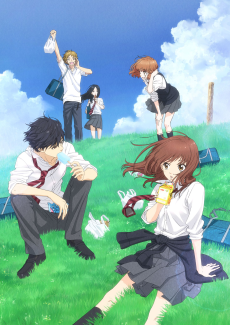
Blue Spring Ride
Yoshioka Futaba has a few reasons why she wants to "reset" her image & life as a new high school student. Because she's cute, she was ostracized by her female friends in junior high, and because of a misunderstanding, she couldn't get her feeling across to the one boy she has ever liked, Tanaka-kun.
Now in high school, she is determined to be as unladylike as possible so that her friends won't be jealous of her. While living her life this way contentedly, she meets Tanaka-kun again, but he now goes under the name of Mabuchi Kou. He tells her that he felt the same way as she did when they were younger, but now things can never be the same again. Will Futaba be able to continue her love that never even started from three years ago?
📺Anime Details
📝Editorial Analysis
The quiet rustle of Futaba’s uniform skirt as she kicks a stray soda can down the sidewalk—head tilted just slightly, eyes fixed on the pavement, not the boy walking beside her. She doesn’t look at Tanaka-kun, not yet—not because she doesn’t want to, but because looking might crack the fragile, self-imposed armor she’s built: unladylike, unapproachable, ordinary. That single, unremarkable motion—kicking the can, not glancing up, breathing in the humid late-afternoon air—is where Blue Spring Ride lives. Not in grand confessions or dramatic confrontations, but in the suspended breath before a word is spoken, in the weight of a glance withheld, in the way a girl reshapes herself just to survive the ordinary cruelty of being seen.
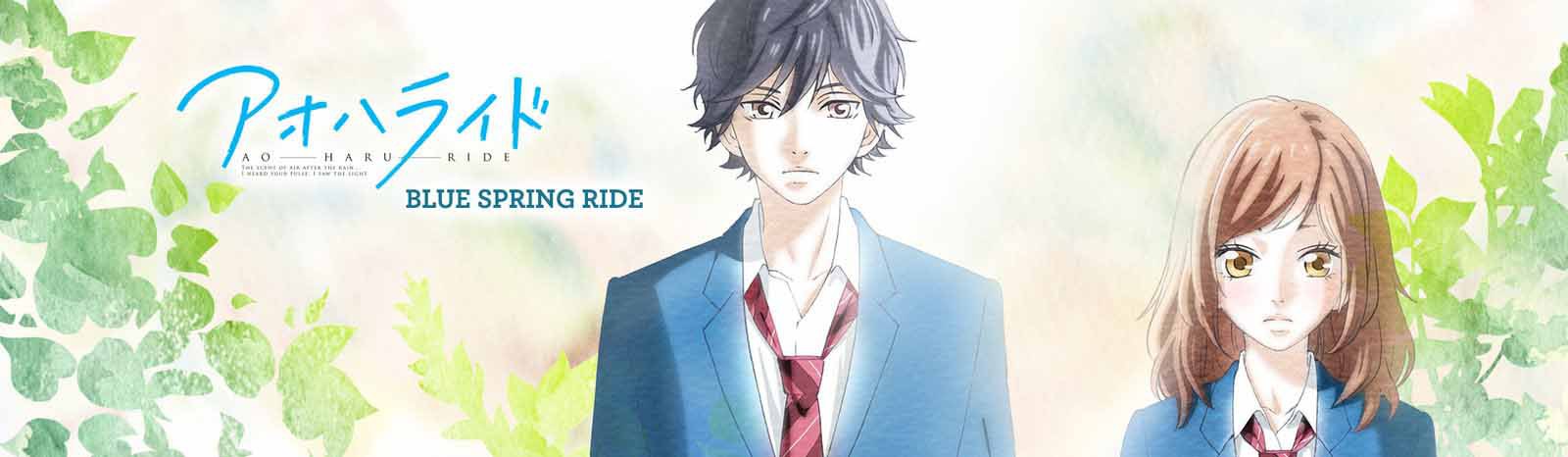
What makes this anime vibrate with such unmistakable ache is its tenderness—not as softness, but as precision. It treats every teenage hesitation like sacred text: the pause before replying to a text, the way Futaba’s voice tightens when she lies about not caring, the silence between her and her estranged mother that hums louder than any argument. There’s no melodrama, no villainous scheming—just the slow, grinding friction of growing up while carrying unresolved hurt, miscommunication, and the quiet, exhausting labor of rewriting your own story. It makes you remember how terrifying it is to be known, how much courage it takes to lower even one wall—and how often love arrives not as fireworks, but as shared silence on a train platform, or the accidental brush of hands passing a notebook. It’s aching, intimate, fragile—a story that trusts you to feel what isn’t said.
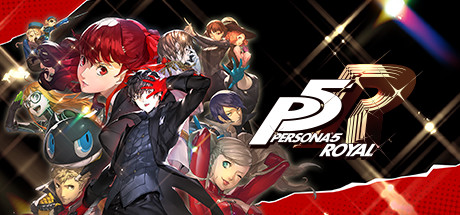
That same emotional DNA pulses through Persona 5 Royal, not in its heists or masks, but in the seamless transition between daily life and inner life. The game doesn’t separate “school” from “heart”—it weaves them together, just like Blue Spring Ride, where Futaba’s classroom interactions, part-time job, and strained family dinners all feed the same quiet crisis of identity. A player review calls out that rhythm: “The seamless transition between daily life…”—exactly how Blue Spring Ride moves between Futaba’s awkward lunch with classmates and her solitary walk home, each moment charged with unspoken history. Both understand that romance isn’t just dialogue options or confession scenes—it’s the accumulation of small, witnessed truths.
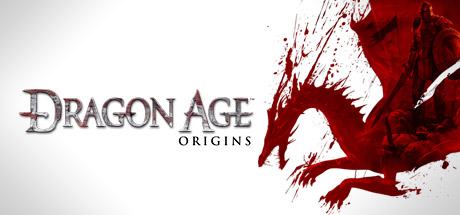
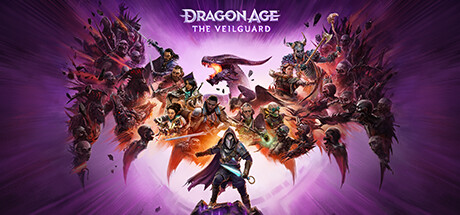
Then there’s Dragon Age: Origins, whose description asks: “When history tells the story of the Fifth Blight, what will be said about the hero who turned the tide…?” That question echoes Futaba’s own silent reckoning: What will be said about the girl who finally spoke her truth—after years of swallowing it? Her coming-of-age isn’t mythic, but it’s no less heroic. A player notes the “pause attack mechanic… help a lot to strategist your tactic”—and yes, Futaba strategizes too: pauses, recalibrates, holds back words like tactical reserves. Her growth isn’t linear; it’s a series of deliberate, vulnerable choices made under pressure—just like commanding a party mid-battle, weighing risk, timing, consequence.
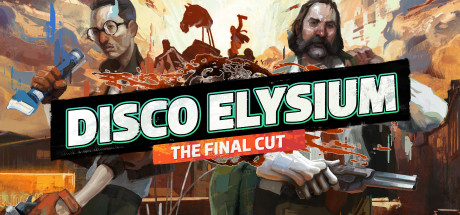
Even Disco Elysium - The Final Cut, with its dense, philosophical player review quoting capital’s cruel irony, shares something deeper: both works sit with the dissonance of self-perception versus reality. Futaba believes she must be unladylike to be safe; Kim Kitsuragi knows systems fail, yet keeps showing up. Neither offers easy answers—just the raw, unvarnished texture of trying to mean something to yourself, even when the world insists on defining you first.
This pairing is for the person who cries at grocery store parking lots because a song came on, who replays a single line of dialogue three times to hear the tremor underneath, who saves a text draft for two days before sending it—not out of indecision, but reverence. It’s for the reader who underlines paragraphs in novels about quiet grief, the player who spends hours in a game’s social calendar not to max stats, but to linger—to watch a character blink slowly in sunlight, to hear their laugh catch just once. They don’t crave spectacle. They crave recognition: the kind that says, Yes—I know that breath. I’ve held it too.
🎮11 Games That Match the Vibe




Match Dimensions Explained
❓Frequently Asked Questions
Why does Persona 5 Royal keep coming up in Blue Spring Ride game recommendations?
Because both center on emotionally resonant teen romance unfolding against a backdrop of quiet personal growth and social pressure—like Ren’s slow-burn connection with Mio mirroring Ann’s vulnerable confessions during rainy-day confessions in Shibuya. The 'Emotional Narrative' and 'Romance & Shoujo' dimensions are top matches, and players consistently praise P5R’s soundtrack and daily-life rhythm as deeply evocative of Blue Spring Ride’s tender, bittersweet tone.
Is there a Blue Spring Ride visual novel or anime adaptation with gameplay?
No—Blue Spring Ride is strictly an anime and manga series with no official game adaptation. But fans seeking that same heartfelt, character-driven pacing and romantic tension often pivot to games like Dragon Age: Origins, where Alistair’s shy, earnest charm and the emotional weight of your first campfire conversation with him (especially if you’re playing a female Warden) hit that exact same sweet spot of hesitant intimacy and emotional payoff.
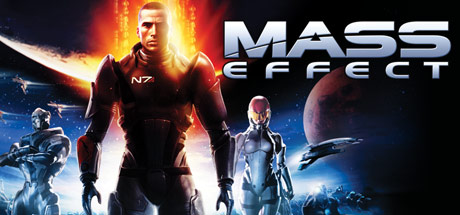
How does Disco Elysium compare to Mass Effect (2007) for Blue Spring Ride fans?
If Blue Spring Ride’s appeal is its introspective, dialogue-heavy emotional intimacy—like Mio’s quiet moments of self-reflection by the riverbank—Disco Elysium delivers that in spades through its internal monologues and morally layered choices. Mass Effect (2007), meanwhile, offers more structured romance arcs (think Liara’s soft-spoken vulnerability during the Prothean Beacon mission) and cinematic emotional beats, but with less psychological granularity and more heroic momentum.
What’s the best game like Blue Spring Ride if I just want that gentle, melancholy springtime vibe?
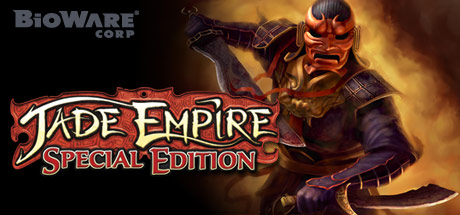
Jade Empire™: Special Edition nails it—the soft light filtering through bamboo groves during training sessions, the hushed intensity of your master’s guidance, and the way romance options unfold slowly, like your bond with Dawn Star deepening over shared walks and quiet glances. It’s not flashy, but its 'Emotional Narrative' dimension and understated shoujo-adjacent tenderness (plus that warm, painterly art style) make it feel like stepping into Blue Spring Ride’s most wistful, cherry-blossom-dusted scenes.