
BanG Dream! It's MyGO!!!!!
📺Anime Details
📝Editorial Analysis
The rain slicks the pavement outside Shibuya Station, neon bleeding into oily puddles as Roka’s guitar case slips from her grip—not because she fumbles, but because her hand trembles, knuckles white, breath shallow. She doesn’t pick it up. She just stands there, soaked, watching the reflection of a passing train warp and shatter in the water. No dialogue. No music swelling. Just the hollow drip-drip from her sleeve and the low, distant hum of city life. That silence—not emptiness, but pressure—is where BanG Dream! It's MyGO!!!!! lives.
This isn’t the bright, kinetic energy of band-as-escape. It’s the weight of carrying sound when your voice cracks mid-sentence. It’s the way a shared glance across a cramped rehearsal room holds more tension than any shouted argument. The urban setting isn’t backdrop—it’s texture: concrete stairwells echoing footsteps like unanswered questions, convenience store lights flickering over tired faces, the faint smell of wet asphalt and cheap coffee clinging to jackets. What makes it unique isn’t its rock music or CGI—it’s how deeply it treats disability, not as metaphor or hurdle, but as lived rhythm: the fatigue that reshapes time, the quiet recalibration before speaking, the way support isn’t grand gesture but someone silently shifting their stance so you don’t have to ask twice. It makes you feel tender, not triumphant—like holding something fragile that’s also fiercely, unapologetically alive.
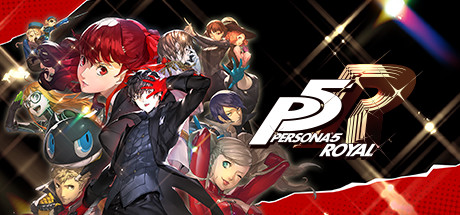
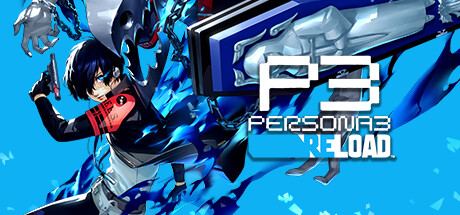
That same tenderness pulses through Persona 5 Royal. Its player review nails it: “Stunning Soundtrack… seamless transition between daily life…” — exactly the duality It's MyGO!!!!! masters. You’re not just hearing music; you’re feeling how a riff lands after a tense conversation in the school hallway, how a bassline syncs with the exhaustion in a character’s shoulders during a late-night walk home. Both anchor soaring emotion in mundane, tactile reality—the weight of a backpack strap, the glow of a phone screen at 2 a.m., the way Tokyo’s sprawl feels both isolating and intimately shared. And Persona 3 Reload, with its own 82-score emotional resonance, mirrors the anime’s preoccupation with time as burden: the relentless calendar, the dread of tomorrow’s class presentation, the way grief doesn’t fade—it settles, like dust on a forgotten amp.
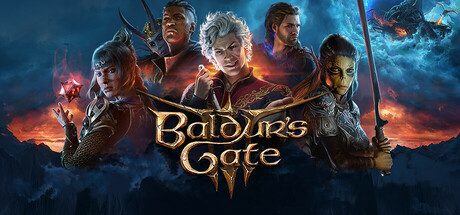
Then there’s Amnesia™: Memories, scoring 82 for Romance & Shoujo, Emotional Narrative. But this isn’t about love triangles—it’s about memory as architecture. In It's MyGO!!!!!, relationships aren’t built on confession scenes; they’re rebuilt, brick by careful brick, after trust fractures. A shared lyric rewritten, a borrowed hoodie left behind too long, the way someone learns exactly how much space you need before stepping closer—these are the quiet, high-stakes moments Amnesia understands: emotional narrative as slow, deliberate reconstruction. Even Baldur’s Gate 3, at 85, shares this DNA—not in fantasy stakes, but in how its Emotional Narrative dimension thrives on consequence that lingers. Like Roka choosing silence instead of song, BG3’s choices echo in posture, in who sits beside you at campfire, in the way a companion’s voice drops half a beat when you’ve failed them. It’s not spectacle—it’s weight, carried forward.
You’d love these pairings if you’ve ever cried not at a climax, but at the moment someone finally listens—really listens—and adjusts their pace to match yours. If you seek stories where healing isn’t linear, where friendship is measured in shared silences and small, stubborn acts of showing up, where music isn’t escape but translation—of pain, joy, exhaustion, hope—into something you can hold in your hands and play again. Not heroes. Not saviors. Just people, learning, stumbling, tuning up, breathing together in the rain.
🎮14 Games That Match the Vibe






Match Dimensions Explained
❓Frequently Asked Questions
Why does Persona 5 Royal keep popping up in BanG Dream! It's MyGO!!!!! recommendations?
Because both lean hard into emotional, character-driven storytelling with tight-knit ensemble casts—like watching Moca’s quiet desperation unfold alongside Ann’s fiery confidence or the Phantom Thieves’ late-night confessions in Shibuya. The shared emphasis on music as emotional punctuation (P5R’s jazz-funk soundtrack vs. MyGO’s raw indie rock) and daily life/drama balance makes them vibe-matched, not just genre-matched.
Is there an anime or manga adaptation of Amnesia™: Memories?
No official anime or manga adaptation exists—but fans often compare its branching romance routes and memory-loss drama to MyGO’s fragmented band dynamics, especially how Amnesia’s heroine rebuilds relationships from scratch like Rokka piecing together her past with the band. It’s pure ‘emotional narrative’ fuel, just like MyGO’s rehearsal scenes where silence speaks louder than lyrics.
How does Jade Empire™: Special Edition compare to BanG Dream! It's MyGO!!!!! in terms of emotional weight?
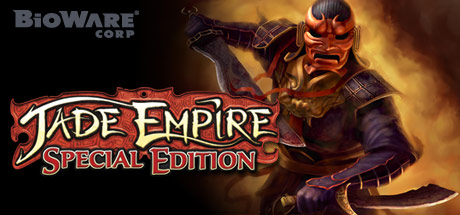
Jade Empire trades MyGO’s modern Tokyo indie grit for wuxia-style moral ambiguity and quiet heartbreak—think Master Li’s stoic mentorship echoing Saku’s protective but distant role in MyGO, or choosing the Open Palm path like opting for hope over cynicism in a MyGO finale. Both use world-building to deepen personal stakes, though Jade Empire leans mythic while MyGO stays grounded in cramped apartments and basement rehearsals.
What’s the best game like BanG Dream! It's MyGO!!!!! if I want that bittersweet, late-night-feeling-of-connection vibe?
Amnesia™: Memories nails it—especially the rain-soaked ‘Afternoon Tea’ route where memories flicker like stage lights going out, or Persona 3 Reload’s midnight train scenes where characters confess fears while snow falls silently outside. Both mirror MyGO’s mood swings between exhaustion and euphoria, like when Toya strums alone at 2 a.m. and you feel that same fragile, tender ache.