
Gankutsuou: The Count of Monte Cristo
Gankutsuou is an anime loosely based on the novel The Count of Monte Cristo by Alexandre Dumas. It tells the story of Albert Morcerf, a young aristocrat who happens to befriend a wealthy nobleman, The Count of Monte Cristo, through a series of bizarre events. Fascinated by the Count's charm, Albert invites him to meet his friends and family, all of whom happen to be part of the upper class society of Paris, France. Unfortunately, little does Albert realize that the Count has ulterior motives in mind.
(Source: MAL Rewrite)
📺Anime Details
📝Editorial Analysis
The chandelier in the Morcerf salon doesn’t just glitter—it shatters. Not with sound, but with light: a slow, deliberate fracture across the screen as Albert laughs, unaware that the Count watches him—not with warmth, but with the cold, calibrated stillness of a blade drawn from its sheath. That moment isn’t about violence yet. It’s about recognition: the instant the viewer feels the floor tilt beneath Parisian elegance, sensing how every gilded surface hides a fault line, how every smile is a ledger entry waiting to be balanced.
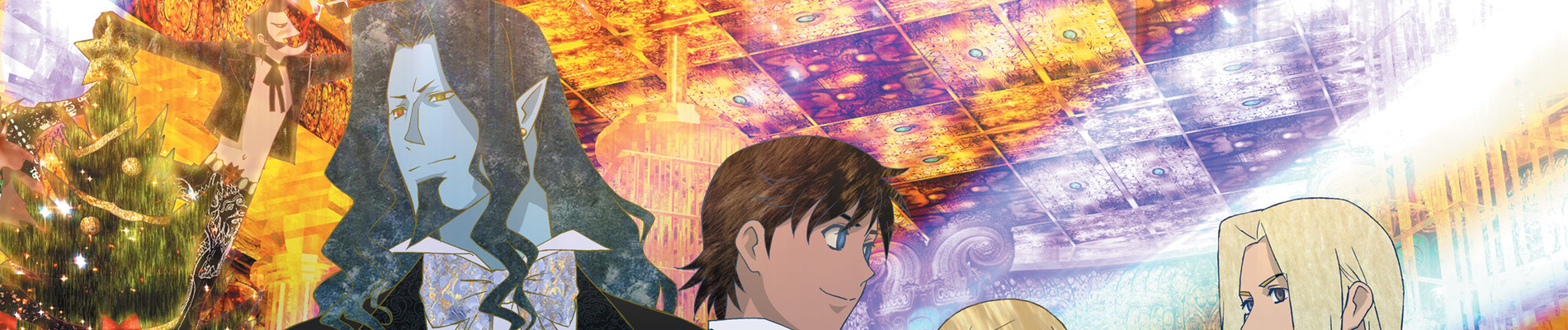
What makes Gankutsuou’s atmosphere so singular isn’t its space opera setting or its baroque visuals—it’s the weight of silence between words, the way time thickens around betrayal like syrup. You don’t just watch characters lie; you feel the seconds stretch as their breath catches, their pupils dilate, their gloves tighten. It’s not tragedy as spectacle—it’s tragedy as architecture, built from withheld confessions, inherited shame, and the unbearable tension of knowing someone’s entire identity is a performance written in vengeance. The sci-fi and supernatural elements aren’t flourishes—they’re pressure valves: the Count’s alien-like presence, the void-like textures of his mansion, the way light itself seems to recoil from his truth. This isn’t optimism dressed in velvet. It’s dread wearing a monocle—and it makes you question whether justice can ever be clean when it’s carved from decades of buried pain.
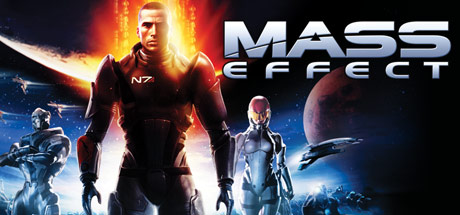
That same emotional gravity pulses through Mass Effect (2007)—not in its galactic scale, but in the intimacy of consequence. The description calls it a “heroic, action-packed adventure,” but the player review cuts deeper: “None of the follow-ups really captured what this game did.” Why? Because the first game forces Shepard to choose—again and again—not between good and evil, but between loyalty and survival, between truth and stability. Like the Count, Shepard operates in a world where every alliance is provisional, every revelation recalibrates trust. The “Sci-Fi & Space” dimension isn’t backdrop—it’s the vast, indifferent canvas against which human fragility becomes visible, just as Paris’ opulence makes Albert’s naivety ache.
Then there’s Persona 5 Royal, whose description highlights “building relations” and “stylish turn-based RPG,” but the player review fixates on something quieter: “Stunning Soundtrack… Gameplay Loop: The seamless transition between daily life…” That loop—school days bleeding into midnight heists, confessions whispered in rain-slicked alleys, masks worn both literally and socially—is pure Gankutsuou DNA. Both works treat identity as a curated exhibit. Joker doesn’t just fight shadows—he dissects the lies people tell themselves to survive polite society. Like the Count manipulating dinner parties, the Phantom Thieves stage psychological interventions inside hearts. The emotional narrative isn’t about saving the world—it’s about watching someone realize their father, their teacher, their idol, is a carefully constructed fiction.
And Dragon Age: Origins lands with the same bruised sincerity. Its description asks: “What will be said about the hero who turned the tide?”—a question steeped in legacy, reputation, and the stories we leave behind. The player review mentions pausing mid-battle to strategize, yes—but also “the story is great.” That greatness lives in the Grey Warden’s forced exile, in the way your origin—noble, elf, dwarf—dictates who believes you, who fears you, who sees you as weapon or wound. Like Edmond Dantès, the Warden is remade by betrayal, then handed power they never asked for. Every companion’s loyalty quest mirrors a Morcerf family secret: layered, morally tangled, resolved not with catharsis but with quiet, irreversible cost.
This pairing isn’t for fans of revenge-as-catharsis. It’s for the person who rewatched the Count’s final confrontation not to see him win—but to study the flicker in his eye when Albert says his name without fear. It’s for the player who lingered in the Normandy’s observation lounge after a hard choice, staring at stars while the soundtrack hummed low and unresolved. It’s for those who don’t want heroes—they want witnesses: to the slow corrosion of ideals, the elegance of despair, the terrifying beauty of a soul that remembers exactly how it broke.
🎮17 Games That Match the Vibe





Match Dimensions Explained
❓Frequently Asked Questions
Why is Mass Effect (2007) ranked so highly for fans of Gankutsuou's revenge plot and emotional weight?
Because Commander Shepard’s arc mirrors Edmond Dantès’ transformation—betrayed, imprisoned, then reborn with calculated purpose—especially in the Normandy’s quiet moments after Virmire or the Citadel coup, where moral weight and personal stakes hit just as hard as Gankutsuou’s ‘I am the Count’ monologues. Unlike the sequels, the original Mass Effect nails that tightly focused, intimate vengeance-through-identity theme, with romance options and squad loyalty missions adding the same layered emotional texture as Gankutsuou’s shifting alliances.
Is there a faithful video game adaptation of The Count of Monte Cristo?
No—there’s no direct, licensed adaptation of The Count of Monte Cristo in games. But Jade Empire™: Special Edition channels its spirit most authentically: you play a martial artist framed by a corrupt regime, imprisoned in the Spirit Cave (a clear nod to Château d’If), then return years later wielding refined skill and hidden identity—just like Dantès mastering swordplay and strategy under Faria’s tutelage. Even the ‘open palm vs. closed fist’ choice echoes the Count’s duality between mercy and retribution.
How does Persona 5 Royal compare to Dragon Age: Origins for Gankutsuou fans who love slow-burn scheming and masked identities?
Persona 5 Royal wins on style and theatrical subterfuge—the Phantom Thieves literally wear masks, broadcast heists like operatic performances, and manipulate hearts with the same psychological precision the Count uses on Villefort or Danglars. Dragon Age: Origins delivers deeper political intrigue and grim moral calculus (like choosing to execute Loghain or not), but P5R matches Gankutsuou’s flamboyant aesthetic, jazz-infused tension, and that delicious feeling of pulling strings from the shadows while juggling school life and confidant bonds.
What’s the best game like Gankutsuou if I want that brooding, stylish revenge vibe but with modern UI and killer music?
Persona 5 Royal—hands down. Its UI pulses with neon-lit confidence, the soundtrack slaps like a velvet-gloved slap across the face (‘Last Surprise’ hits *exactly* like the opera scene in Episode 12), and Joker’s cool detachment + quiet fury mirrors the Count’s controlled intensity. You’re not just avenging—you’re curating an image, manipulating perception, and dropping truth bombs in surreal palaces, all while the game’s visual grammar (bold text, dynamic cuts, time-based urgency) feels ripped from Gankutsuou’s anime DNA.