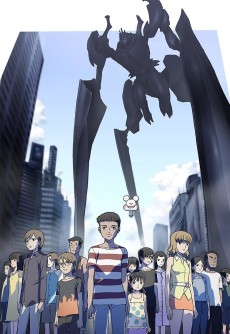
Bokurano
During a summer camp, 15 children, 8 males and 7 females, find a grotto by the sea. Deep within they discover working computers and some electronic equipment, and later the owner, a man called Kokopelli. Kokopelli claimed to be a programmer working on a brand new game, in which a large robot has to defend the Earth against alien invasions. He persuades the children to test the game and sign a contract. All but one of them signs, barely a moment later they mysteriously awaken on the shore believing what happened was just a dream.
(Source: Anime News Network)
📺Anime Details
📝Editorial Analysis
The salt-sting of seawater still clings to your lips as you stare at the contract—ink still wet, names already signed in childish scrawl—and realize no one told you the robot bleeds. Not oil. Not coolant. Blood. And that the cockpit isn’t a cockpit at all, but a coffin lined with humming wires and the muffled, rhythmic thud of your own heart counting down.
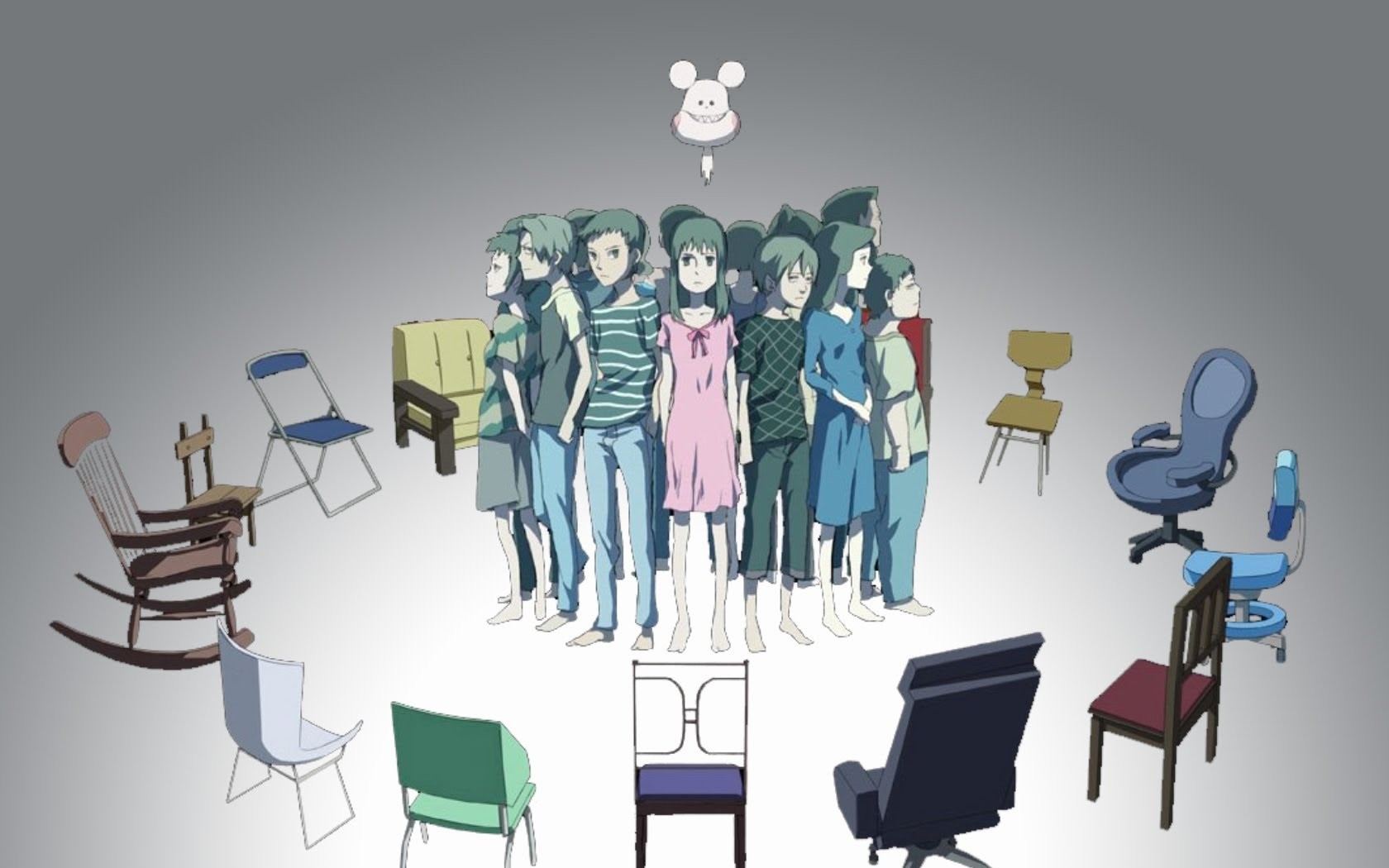
That’s Bokurano: not spectacle, but suffocation. Not heroism, but consent—signed in sunlight, then buried under layers of irreversible consequence. Its atmosphere isn’t dread in the abstract; it’s the quiet weight of responsibility handed to children who don’t yet understand mortality, wrapped in the sterile glow of monitors and the hollow echo of Kokopelli’s smile. You don’t feel excited watching it—you feel accountable. It forces you to sit with the silence after the decision, the way time stretches thin when you know the next battle means someone won’t come home—not as a trope, but as arithmetic. This isn’t mecha-as-empowerment. It’s mecha-as-sentence. Every launch is a funeral procession disguised as duty. Every victory tastes like ash because survival is never shared—it’s transferred, always at cost. You think about agency, yes—but more viscerally, you think about signature ink drying on skin, about how easily hope can be mistaken for permission, about how systems—alien, military, bureaucratic—absorb innocence without friction.
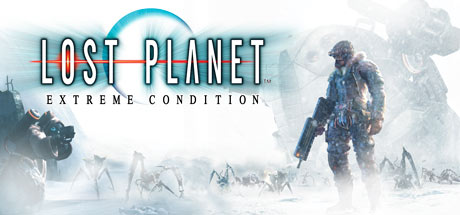
That emotional DNA—the inescapability, the moral gravity of scale, the way vast sci-fi machinery grinds against fragile human consequence—echoes in real games, not through plot mimicry, but through structural resonance. Take Lost Planet™: Extreme Condition. Its description nails the terrain: “Driven to the brink of extinction on ice-covered wastelands, humankind fights to survive. Battle to survive against gargantuan alien Akrid…” That word—survive—isn’t aspirational here. It’s bare, biological. Like Bokurano, it frames combat as attrition, not triumph. The player review laments Capcom’s failure to fix Colonies Edition—a quiet, frustrated sigh mirroring how Bokurano’s kids watch their world fracture while adults remain offscreen, unfixing, unaccountable. Both make you feel the cold weight of a broken system where every win is pyrrhic, every mech suit a temporary shield over raw, exposed flesh.
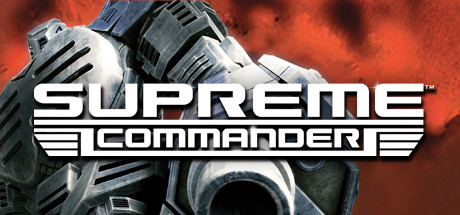
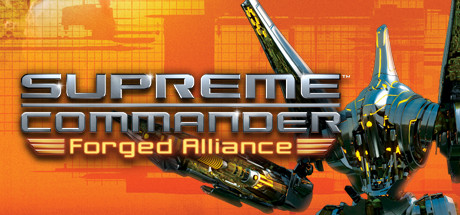
Then there’s Supreme Commander, where the description reads: “For a thousand years, three opposing forces have waged war… Dubbed The Infinite War…” Not “the final war.” Not “the decisive war.” Infinite. That’s the chilling parallel: Bokurano’s battles aren’t climactic—they’re procedural, ritualized, inevitable. The player review nails it: “The scale of the battles is staggering… feels different even today.” Yes—because scale here isn’t awe; it’s alienation. Watching a single unit die on a map larger than continents echoes how Bokurano renders individual sacrifice invisible against the backdrop of cosmic stakes. You don’t mourn one pilot—you mourn the pattern: how power consolidates, how children become cogs, how war forgets its architects and remembers only its fuel.
And BioShock Infinite, with its description anchoring Booker DeWitt in debt and desperation—“Indebted to the wrong people, with his life on the line…”—lands with the same gut-punch as that grotto scene. Debt. Signature. No exit clause. The player review mentions bitterness over “the Bioshock Infinite we could have gotten,” which mirrors Bokurano’s central tragedy: the horror isn’t just death—it’s the lost possibility of another choice, another path, another version of yourself unburdened by the contract. Both force you into moral recursion, where memory and consequence fold into each other until escape feels like betrayal.
This pairing isn’t for fans of “cool robots” or “epic space battles.” It’s for the ones who pause mid-gameplay to stare at a loading screen and wonder: Who paid for this? Who broke first? What did they sign before they knew the price? It’s for viewers who remember the exact texture of that grotto wall—damp, gritty, indifferent—and players who replay Supreme Commander’s opening campaign not to win, but to watch the fog of war swallow a battalion whole, and feel that same quiet, unavoidable grief. They’re drawn not to spectacle, but to consequence—to stories where the most terrifying thing isn’t the alien, the war, or the machine, but the moment you realize you already agreed.
🎮40 Games That Match the Vibe

















Match Dimensions Explained
❓Frequently Asked Questions
Why does Lost Planet: Extreme Condition feel so much like Bokurano’s bleak survival vibe?
Because both hit that same desperate, frozen-isolation dread—like when Koyemshi watches the kids struggle against impossible odds, Lost Planet drops you onto E.D.N. III’s ice wastelands with barely-functioning mechs and Akrid swarming from blizzards. The Snow Pirates’ ambushes and constant resource scarcity mirror Bokurano’s moral exhaustion, and that review calling it 'driven to the brink of extinction' nails the tone.
Is there a Bokurano video game adaptation?
No—there’s never been an official Bokurano game, anime tie-in or otherwise. But if you’re craving that same blend of tactical mecha combat, grim consequences, and sci-fi scale, Supreme Commander delivers hard: its Infinite War campaign mirrors Bokurano’s escalating stakes, with commanders like Cybran’s Dr. Brackman making morally fraught calls just like Koyemshi, and battles spanning entire continents—not just arenas.
How does BioShock Infinite compare to Mr. Robot for dark, philosophical sci-fi storytelling?
BioShock Infinite leans into adult seinen weight—Booker’s guilt, Elizabeth’s fractured memory loops, and Columbia’s ideological rot echo Bokurano’s psychological unraveling—but Mr. Robot (Asimov the mechanoid) is quieter, more existential: think Asimov questioning his purpose aboard the Eidolon while its AI fails, versus Booker confronting alternate selves in tears and blood. One’s a thunderclap of spectacle and trauma; the other’s a slow, retro-futurist whisper about duty and obsolescence.
What’s the best game like Bokurano if I want crushing tactical weight and no easy wins?
Supreme Commander—it’s the only one on the list where every decision feels irreversible, like Bokurano’s death matches. You’re not just commanding units; you’re committing entire economies and doctrines, watching your experimental nuke misfire or your ACU get ambushed mid-repair—just like how Bokurano’s pilots never get second chances. That review saying 'the scale of the battles is unmatched'? Yeah—that’s the Koyemshi-level consequence you’re after.