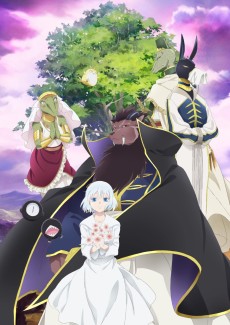
Sacrificial Princess and the King of Beasts
The King of the Beasts and Demons regularly receives female human sacrifices to eat in order to assert the dominance of his people over the human race. However, for the 99th sacrifice, the human girl brought to the capital, Sariphi, intrigues the Beast King. In fact she isn't afraid of him or any other beast and even accepts her death without begging or crying as she has neither home nor family to return to if she were released. The King finds her intriguing and let her stay at his side as his consort despite being human. This is the story of how Sariphi will become the queen of the demons and beasts.
(Source: Crunchyroll)
📺Anime Details
📝Editorial Analysis
The scent of incense and old stone hangs thick in the throne room—not sweet, not floral, but heavy with ritual, with resignation. Sariphi stands barefoot on cold black marble, her thin shift clinging to her frame, eyes steady as the Beast King looms over her—claws retracted, golden eyes unreadable, breath warm against her temple. She doesn’t flinch. Doesn’t blink. When he asks why she isn’t afraid, she answers without inflection: “I have no home to return to.” That silence—neither defiance nor surrender, just quiet, unvarnished truth—is where Sacrificial Princess and the King of Beasts begins its slow, deliberate unraveling of power, grief, and the terrifying intimacy of being seen when you’ve long been treated as disposable.
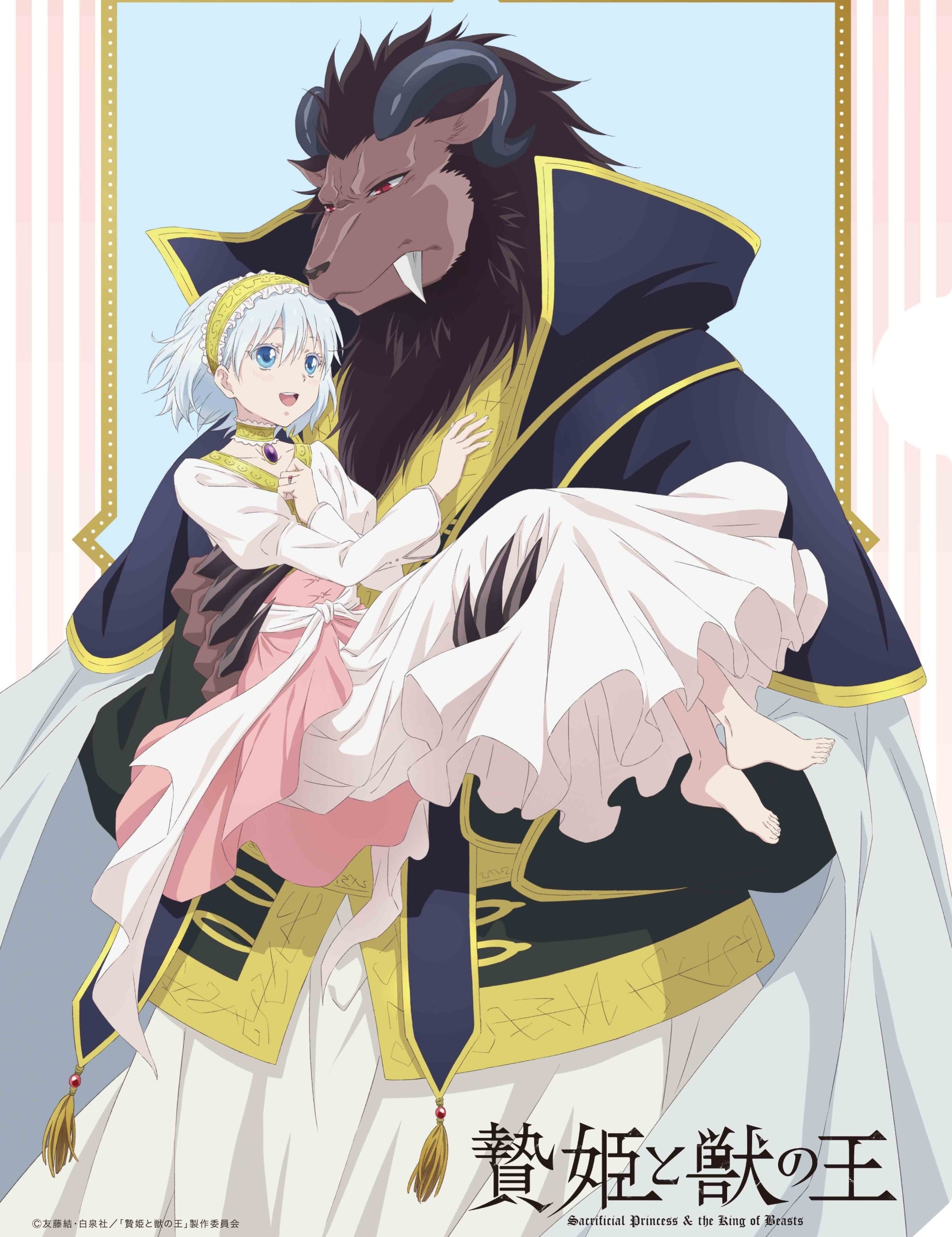
This isn’t fantasy that dazzles with spectacle—it’s fantasy that settles, like dust in sunlit air. It makes you feel the weight of centuries-old enmity pressing down on two people who’ve each been trained to perform roles they didn’t choose: one as predator, one as prey. There’s no grand battle music swelling here—just the hush before a breath is held too long. What lingers is the tenderness of restraint—the King choosing not to consume, Sariphi choosing not to flee, both learning how to exist in proximity without erasure. It’s a story steeped in rehabilitation, not of monsters, but of meaning—of rebuilding what war, politics, and inherited trauma have flattened into ritual. You don’t watch it for escapism. You watch it because it makes you sit very still, wondering what it costs to soften your edges in a world that rewards hardness.
That same emotional gravity pulses through Disco Elysium - The Final Cut, where the city of Revachol isn’t just a setting—it’s a living architecture of collapse, ideology, and buried longing. Like Sariphi navigating the Beast King’s court, the detective walks corridors thick with history he can’t escape, negotiating systems designed to grind individuals into compliance. The player review nails it: “Capital has the ability to subsume all critiques into itself. Even those who would critique capital end up reinforcing it instead.” That’s the suffocating paradox Sariphi lives—her survival depends on participating in the very system that brands her a sacrifice. Both stories force you to hold contradiction: compassion inside bureaucracy, love inside hierarchy, vulnerability inside sovereignty.
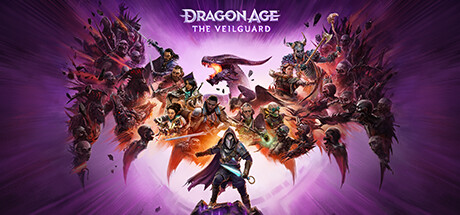
Then there’s Dragon Age: Origins, where political thrum and tactical warfare aren’t backdrops—they’re textures woven into every choice. Sariphi’s coming-of-age isn’t about gaining power, but about witnessing: seeing the Beast King’s exhaustion beneath his crown, recognizing the human cost behind demon treaties and border skirmishes. The player review notes the game’s pause-attack mechanic helps “strategist your tactic”—but what’s truly strategic here is emotional calculus: when to speak, when to withhold, how much trust to risk with someone whose survival depends on your obedience. Like Sariphi learning the language of diplomacy not through textbooks but through shared meals and guarded silences, Dragon Age: Origins treats romance and loyalty as acts of quiet rebellion against fatalistic worldbuilding.
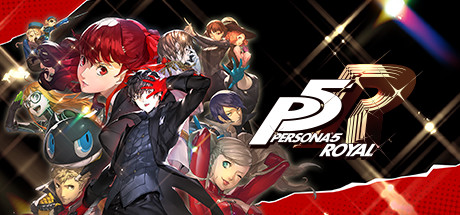
And Persona 5 Royal—with its Tokyo nights pulsing under neon and jazz—shares the anime’s obsession with transformation through relational courage. Sariphi doesn’t wield a mask or summon a Persona, but she does something just as radical: she refuses the role assigned to her and, by doing so, reshapes the King’s understanding of himself. The player review praises the “seamless transition between daily life and extraordinary stakes”—exactly how Sacrificial Princess moves between courtly ceremony and whispered confessions in moonlit gardens. Both understand that revolution isn’t always a riot; sometimes it’s a girl offering tea to a king who’s forgotten how to accept kindness without suspicion.
These pairings won’t thrill someone looking for power fantasies or clean moral binaries. They’ll grip the person who’s ever sat across from someone they’re supposed to fear—and found, instead, a shared weariness. The viewer who pauses mid-episode not to check their phone, but to trace the line of Sariphi’s jaw as she watches the King sleep, wondering what it means to protect someone who’s spent lifetimes protecting nothing. The player who replays a dialogue branch not for optimal stats, but to hear that one line again—the one where the detective admits he’s tired, or the Warden chooses mercy not because it’s wise, but because it hurts less than rage. This is for the ones who recognize tenderness as the most dangerous magic of all.
🎮24 Games That Match the Vibe








Match Dimensions Explained
❓Frequently Asked Questions
Why is Disco Elysium listed as similar to Sacrificial Princess and the King of Beasts when it’s so gritty and political?
Great question—it’s all about the emotional intimacy and layered romance beneath the surface. Like Sacrificial Princess, Disco Elysium centers on a vulnerable protagonist (Detective Harrier Du Bois) navigating complex power dynamics, tender moments with key characters (e.g., Kim Kitsuragi’s quiet loyalty or Evrart’s morally ambiguous devotion), and a narrative that treats love and vulnerability as acts of resistance. The ‘Romance & Shoujo’ and ‘Emotional Narrative’ dimensions match tightly—even if the tone is rain-soaked and philosophical instead of palace-gilded.
Is there an anime or manga adaptation of Sacrificial Princess and the King of Beasts that’s officially licensed?
No official anime or manga adaptation exists yet—but fans often draw parallels to Jade Empire’s worldbuilding because of its rich romantic subtext and honor-bound courtship arcs, like the open-palm path’s slow-burn bond with Dawn Star or the closed-fist route’s charged, morally gray entanglements. The game’s ‘Romance & Shoujo’ and ‘Emotional Narrative’ dimensions make it feel *like* a shoujo adaptation in spirit—even without one existing.
How does Dragon Age: Origins compare to Sacrificial Princess in terms of royal romance and beastly nobles?
It’s a surprisingly close fit—especially if you play as a human noble romancing Alistair (a prince with self-deprecating charm and hidden weight of kingship) or Morrigan (whose otherworldly, feral mystique echoes beast-kin allure). The pause-and-plan combat mirrors Sacrificial Princess’s strategic emotional pacing, and the ‘Tactical Warfare’ + ‘Romance & Shoujo’ overlap means your choices literally shape dynastic futures—just like negotiating treaties with lion princes over tea.
What’s the best game like Sacrificial Princess for when I want something lush, emotionally intense, but with strong daily-life rhythm and stylish presentation?
Persona 5 Royal is your perfect match—think Tokyo’s neon-lit streets swapping for the royal capital’s gilded corridors, but with the same addictive loop of building bonds (like Ann Takamaki’s heartfelt confessions or Futaba’s guarded trust) between meaningful downtime and high-stakes confrontations. Its ‘Romance & Shoujo’ and ‘Emotional Narrative’ dimensions shine through school life, confidant scenes, and even the way the UI pulses with personality—exactly the vibe you’re craving.