MAGICAL GIRL SITE
📺Anime Details
📝Editorial Analysis
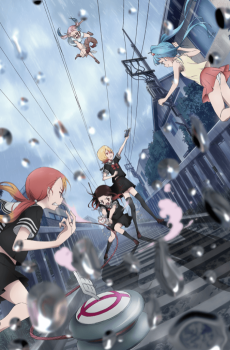
The air in the school hallway isn’t just cold—it’s thin, like breathing through gauze soaked in antiseptic and old tears. A girl stands frozen mid-step, backpack strap digging into her shoulder, while laughter from three girls ahead doesn’t echo—it clings, sticky and low, vibrating in her molars. Her fingers twitch toward the phone in her pocket—not to call for help, but because she just got the message: “You’re chosen.” No sparkles. No transformation sequence. Just a dull, pulsing glyph on screen, and the sudden, nauseating certainty that escape has just been revoked. That’s MAGICAL GIRL SITE—not magic as wish-fulfillment, but magic as diagnosis: you’re already broken; now we’ll weaponize it.
What makes this anime vibrate at a frequency no other mahou shoujo does is its refusal to let trauma be metaphorical. The horror isn’t in monsters under the bed—it’s in the way a teacher looks away when a student flinches, how cafeteria chatter drops just enough to hear the scrape of a chair dragged too close, how the “site” itself offers power not as gift but as collateral: every spell costs memory, dignity, or time—sometimes all three. It’s not despair dressed up as drama; it’s despair documented, with the clinical precision of a social worker’s case file crossed with a cursed grimoire. You don’t feel heroic watching it—you feel recognized, then gutted, then weirdly, terrifyingly seen. It makes you question how much of your own adolescence was quietly policed, how many small surrenders were called “resilience.”
Baldur’s Gate 3, with its Dark Fantasy and JRPG Narrative dimensions, resonates because it shares that same suffocating moral weight—where choice isn’t about good vs. evil, but about which wound you’re willing to reopen. Like MAGICAL GIRL SITE, it refuses catharsis without cost: saving one friend might doom another, trusting someone might get you infected, loving someone might make you complicit in their corruption. The player review praising its “seamless transition between daily life…” hits the same nerve—the mundane becomes charged, dangerous, alive with consequence. In both, brushing your teeth or walking home isn’t downtime—it’s tension held in suspension.
Amnesia™: Memories lands with surgical precision on Body Horror & Occult and Emotional Narrative. Its description doesn’t mention bullying or school—but its emotional architecture mirrors MAGICAL GIRL SITE’s core violation: identity isn’t stolen by villains, but unspooled, thread by thread, until you can’t trust your own reflection. The player doesn’t fight monsters—they fight themselves, fragmented across timelines and traumas. When MAGICAL GIRL SITE’s girls lose memories after casting spells, it’s not amnesia as plot device—it’s amnesia as violation, identical to the slow, disorienting unraveling in Amnesia™: Memories, where every recovered fragment feels less like healing and more like evidence in a trial you didn’t consent to.
Even Persona 5 Royal, with its Stylish turn-based RPG surface, pulses with the same desperate, glittering defiance. Its Tokyo isn’t safe—it’s surveilled, hierarchical, emotionally claustrophobic. The Phantom Thieves don’t just steal hearts; they expose systems that manufacture victims. That “stunning soundtrack” the player review highlights? It doesn’t uplift—it incites, like the bassline before a scream. And the “seamless transition between daily life…” echoes MAGICAL GIRL SITE’s most chilling rhythm: the bell rings, the uniform stays on, the magic stays hidden—and the war continues, silent, inside the skull.
This pairing isn’t for fans of “strong female leads” as empowerment slogans. It’s for the ones who still flinch at fluorescent lights in empty hallways. For players who replay dialogue trees not to optimize romance, but to find the one line that names the quiet thing no one says aloud. For viewers who watch a magical girl’s eyes go flat—not from exhaustion, but from realizing the contract was signed before she knew her own name. They’re drawn to stories where hope isn’t bright—it’s flickering, stubborn, and always, always borrowed.
🎮52 Games That Match the Vibe















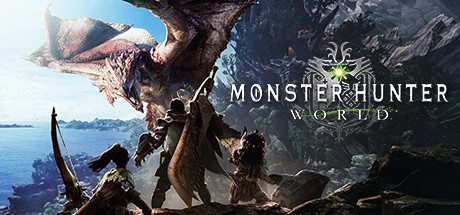





Match Dimensions Explained
❓Frequently Asked Questions
Why does Baldur's Gate 3 feel so much like MAGICAL GIRL SITE despite being a D&D game?
It nails that same gut-punch contrast between tender romance/shoujo moments and sudden, brutal dark fantasy stakes—like when Astarion’s vampire trauma hits mid-date, or when your party debates morality while standing over a freshly slaughtered cultist. The emotional narrative weight and JRPG-style relationship-building (with real consequences) mirror MAGICAL GIRL SITE’s tonal whiplash, especially in how intimacy and horror bleed into each other.
Is there an anime or manga adaptation of MAGICAL GIRL SITE that’s actually good?
No official anime or manga adaptation exists—MAGICAL GIRL SITE is *only* a manga (by Kentaro Yabuki), and it’s never been adapted. But if you’re craving that same vibe, Amnesia™: Memories delivers the body horror & occult dread *plus* shoujo-tinged emotional unraveling—think the visceral panic of losing control over your own body, just like Mako’s transformations gone wrong.
How does Persona 5 Royal compare to Monster Hunter Wilds for MAGICAL GIRL SITE fans?
Persona 5 Royal leans hard into the 'emotional narrative + romance & shoujo' side—building bonds with Ann, Futaba, or Makoto while juggling school life and heists feels like navigating MAGICAL GIRL SITE’s fragile friendships under pressure. Monster Hunter Wilds shares the dark fantasy aesthetic and high-stakes transformation themes (like hunting monstrous entities that warp reality), but skips the interpersonal depth—so go P5R if you want heart-to-heart confessions after a boss fight, Wilds if you want grim spectacle and gear-driven power growth.
What’s the best game like MAGICAL GIRL SITE if I want that bittersweet, emotionally exhausting vibe?
Amnesia™: Memories is your best bet—it’s built on slow-burn psychological unraveling and occult body horror, where every romantic choice feels laced with dread (like remembering fragmented memories while your body mutates). Player reviews call out its 'emotional narrative' dimension, and scenes where love and violation blur—say, holding hands while your skin cracks open—hit the same raw nerve as MAGICAL GIRL SITE’s most devastating chapters.