
Orange
Everyone has regrets in life. So who wouldn't take the chance to change the past if given the opportunity? When sixteen-year-old Takamiya Naho receives a mysterious letter, claiming to be from her twenty-seven-year-old self, her life is suddenly thrown into flux. The letter tells her that a new transfer student by the name of Naruse Kakeru will be joining her class, and to keep her eye on him. But why? Naho must decide what to make of the letter and its cryptic warning, and what it means not only for her future, but for Kakeru's as well.
(Source: Anime News Network)
Note: The last episode aired with a runtime of ~40 minutes as opposed to the standard 24 minute long episode.
📺Anime Details
📝Editorial Analysis
The weight of a single unopened letter in a quiet classroom—Naho’s fingers trembling not from cold, but from the dread of knowing what it says before she even reads it. Sunlight slants across her desk, illuminating dust motes swirling like suspended seconds. She doesn’t tear the envelope. She holds it like something sacred and dangerous at once—because it’s signed “From you, ten years from now.” Not a fantasy. Not a dream. A plea folded into stationery, inked with the quiet desperation of someone who lived the aftermath.
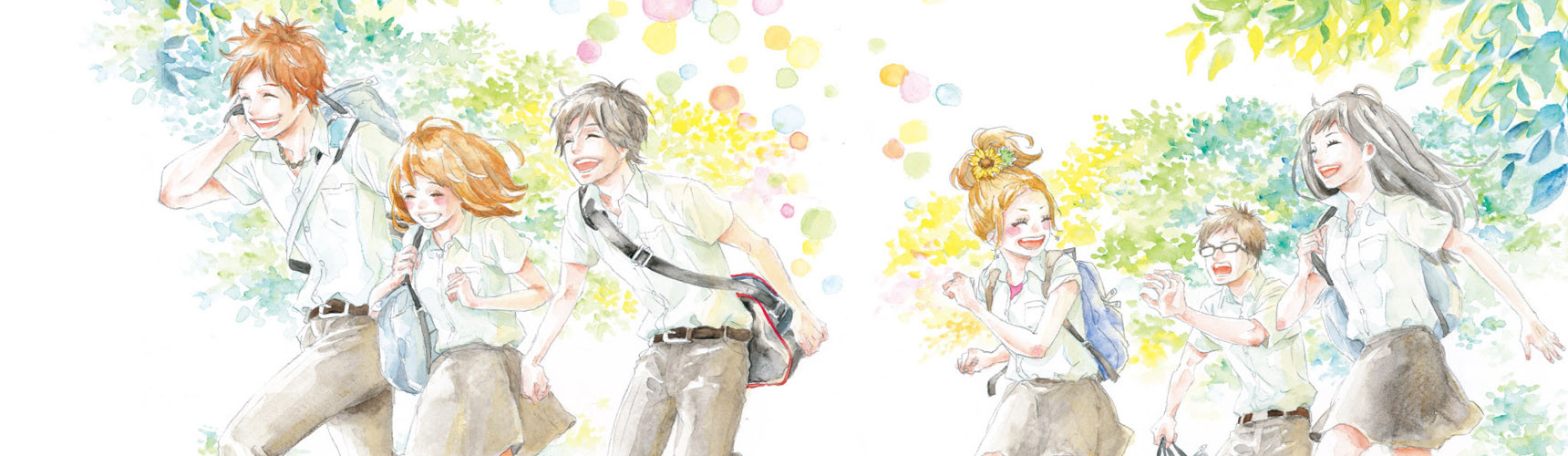
That’s the atmosphere of Orange: not sorrow as spectacle, but sorrow as texture. It lives in the way silence stretches between friends after a joke falls flat; in the way Naho’s throat tightens when Kakeru laughs too brightly, too easily—like he’s already rehearsing how to disappear. This isn’t tragedy dressed in melodrama. It’s the slow, suffocating pressure of knowing a future you can’t yet stop—and choosing, every day, to love harder anyway. It makes you think about the unbearable lightness of small choices: a shared umbrella, a missed bus, a text left unsent. How fragile hope is when it’s built on hindsight, not instinct. How love, in this world, isn’t grand declarations—it’s showing up, again and again, with your hands full of ordinary things: bentos, raincoats, half-forgotten promises.
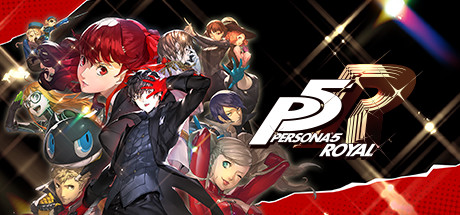
Which is why Persona 5 Royal resonates so deeply—not because it shares plot points, but because its emotional rhythm mirrors Orange’s heartbeat. Its description names “build relations” as core to the experience, and the player review praises “the seamless transition between daily life…” That’s the same delicate architecture: school days measured in minutes, friendships deepened over part-time jobs and rooftop conversations, romance blooming in stolen hours—not cutscenes, but routine. Like Naho choosing to walk Kakeru home every Tuesday, Persona 5 Royal asks you to invest time, attention, presence—the very currency of care that Orange treats as sacred. The stakes feel personal, intimate, human-scaled, even when shadows loom.
Then there’s Dragon Age: Origins, whose description frames legacy not as conquest, but as choice: “Determine your legacy and fight for Thedas…” And the player review notes how its “pause attack mechanic is amazing… help a lot to strategist your tactic…” That pause—literal, mechanical—is where Orange lives emotionally. Naho doesn’t rush. She stops. She replays conversations in her head. She hesitates before speaking, recalculates before acting—just as the pause function lets you weigh consequence in real time. Both works treat decision-making as an act of profound vulnerability. Neither offers easy saves. In both, love is tactical: choosing who to protect, when to listen, how much truth to carry alone.
And though tonally distant, Disco Elysium - The Final Cut shares Orange’s obsession with internal consequence. Its description calls it “a groundbreaking role playing game” where you “carve your path across” a city—but the player review quotes philosophy, not action: “Capital has the ability to subsume all critiques into itself…” That’s the chilling echo of Orange’s central paradox: even with perfect foresight, Naho can’t escape the gravity of her own empathy, her own guilt, her own limitations. Like Harry Du Bois wrestling with his fractured psyche, Naho battles not villains, but the quiet erosion of self-worth, the way grief reshapes thought itself. Both refuse catharsis as resolution—they sit with the weight of being alive in a world that breaks people softly.
This pairing isn’t for fans of “sad stories.” It’s for the person who cries when their train is delayed—not out of frustration, but because they suddenly remember how fiercely they loved someone who missed that same platform once. For the player who lingers in a JRPG’s calendar screen, not to optimize, but to savor the rhythm of a life unfolding. For the reader who underlines sentences about ordinary kindness—not because they’re pretty, but because they’re rare, and necessary. These are stories for those who understand that the most heroic thing you’ll ever do is choose, again and again, to hold space for someone else’s pain—and still leave the door open.
🎮12 Games That Match the Vibe





Match Dimensions Explained
❓Frequently Asked Questions
Why does Orange match with Persona 5 Royal but not other stylish JRPGs like Nier: Automata?
Orange matches Persona 5 Royal because both lean hard into *Romance & Shoujo* alongside *Emotional Narrative* and *JRPG Narrative* — think Ann Takamaki’s heartfelt confessions and the slow-burn intimacy of hanging out in Shibuya, mirroring Orange’s tender character dynamics. Nier: Automata, while emotionally resonant, scores low on Romance & Shoujo and prioritizes existential action over relationship-building, so it didn’t make the match list despite its style.
Is there a visual novel adaptation of Orange?
No — Orange itself *is* a visual novel (a beloved Japanese one from 2016), not a manga or anime that got adapted *into* a game. But if you love its vibe, Disco Elysium nails the same *Emotional Narrative* depth through dialogue-driven choices and inner monologue, like when you wrestle with your own trauma during a rain-soaked interrogation in Martinaise.
How does Dragon Age: Origins compare to Orange in terms of romance options?
Both offer rich, consequence-laden romance — Orange has quiet, grounded bonds like Haruto and Yuki’s slow, healing connection, while Dragon Age: Origins gives you complex, faction-entangled relationships (e.g., Morrigan’s morally grey pact or Alistair’s goofy-but-vulnerable loyalty). They share that *Romance & Shoujo* dimension, but DA:O adds tactical pause-and-plan combat during emotional confrontations — something Orange doesn’t have, obviously!
What’s the best game like Orange if I want something melancholic but hopeful, with strong character voices?
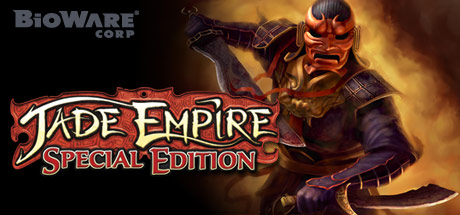
Jade Empire™: Special Edition — it’s got that same bittersweet, lyrical tone as Orange, especially in the Master Li storyline and the open-palm/closed-fist moral weight. Its *Emotional Narrative* and *Romance & Shoujo* dimensions shine in quiet moments, like choosing whether to spare or confront a fallen mentor — and the player review even mentions needing Reddit help just to launch it, which feels weirdly poetic for a game this soulful.