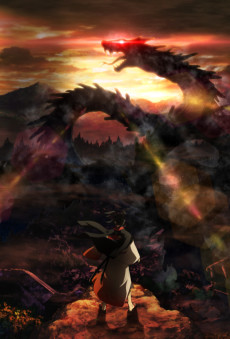
Laughing Under the Clouds
When swords were outlawed in the Meiji era, the mighty samurais began to disappear. Those who rejected the ban rebelled, causing unrest throughout the countryside. To combat this criminal activity, an inescapable lake prison was constructed. Three young men, born of the Kumo line, were given the duty of delivering criminals to their place of confinement—but could there be more to their mission?
(Source: Crunchyroll)
📺Anime Details
📝Editorial Analysis
The rain in Laughing Under the Clouds doesn’t fall—it settles, cold and heavy, into the collar of a worn haori as three brothers stand at the edge of Lake Biwa, their swords sheathed but humming with unspoken weight. One brother grips the hilt not to draw, but to remember the shape of his father’s hand over his own. Another watches the water ripple—not for danger, but for the ghost of a vow made before the Meiji edict erased their world. There’s no battle cry here, no flash of steel—just silence thick with duty, grief, and the quiet, grinding ache of being born too late.
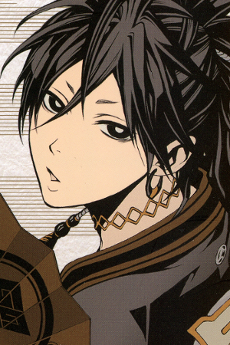
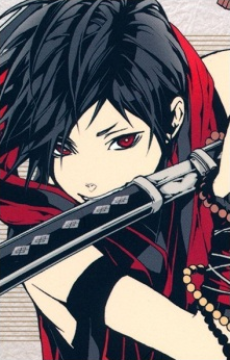
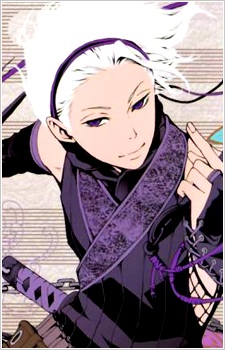
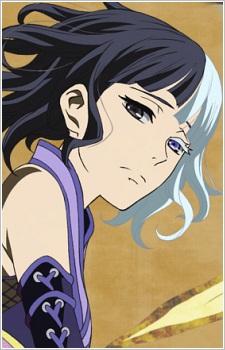
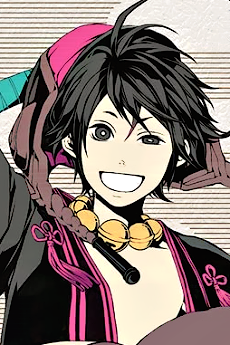
This isn’t nostalgia dressed in samurai robes. It’s melancholy with calloused hands and a bloodline tattooed on the ribs. The anime breathes in the space between eras: the clatter of modern railroads just beyond the bamboo grove, the rustle of ninja robes still stitched with clan sigils, the way a mother’s lullaby holds the same cadence as a funeral chant. You don’t feel heroic—you feel tethered: to ancestors you never met, to laws you didn’t make, to brothers whose loyalty is the only law that hasn’t been revoked. It’s family as both sanctuary and sentence, mythology not as spectacle but as inherited gravity—the Kumo line doesn’t wield gods; it bears them, like stone.
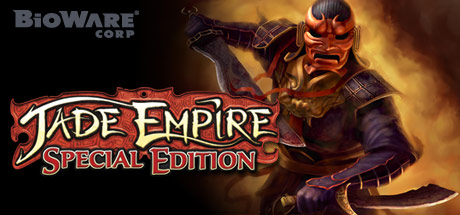
That emotional DNA pulses strongest in Jade Empire™: Special Edition, where martial discipline is inseparable from lineage and loss. Its description names the player “an aspiring martial-arts master” walking a path shaped by philosophy—not just fists—and its top tag includes Romance & Shoujo, matching the anime’s tender, restrained intimacy between characters bound by duty and affection. A player review calls it “Fantastic”, even amid technical hurdles—echoing how Laughing Under the Clouds finds warmth in flawed execution: a shaky frame, a line delivered too softly, a moment of tenderness that lands because it refuses grandeur. Both treat romance and loyalty not as plot devices but as breathing, vulnerable things—fragile, earned, quietly fierce.
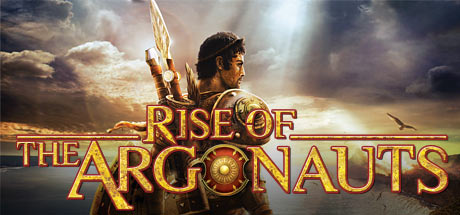
Then there’s Rise of the Argonauts, where Jason’s entire quest begins not with glory, but with a wedding day turned grave. The description frames his mission as visceral, personal vengeance wrapped in mythic scale—exactly how the Kumo brothers’ deliveries to the lake prison aren’t bureaucratic chores, but pilgrimages through grief. A player review notes, “If you love games based on ancient history this one does it right…” — and that “right” is key: it’s not about accuracy, but emotional fidelity. Like the anime, the game roots myth in human rupture—gods loom large, but it’s the widow’s hands, the king’s hollow eyes, the brother’s unspoken promise that hold your breath.
And Prince of Persia—not the sand-borne time-bender, but this reboot, with its new prince, new lands, and brand new story completely separate from the sands—mirrors the anime’s core tension: identity forged in the shadow of erased tradition. Its tags pair Romance & Shoujo with Action Spectacle, just as Laughing Under the Clouds balances swordplay choreography with glances held a beat too long, with letters folded and never sent. The review’s emphasis on “new” resonates deeply—not as reinvention, but as survival. When the old codes vanish, what remains? Not power. Not legacy. Just presence: a hand on a shoulder, a shared meal under a cedar roof, a blade drawn not for conquest—but to keep someone alive.
These pairings won’t thrill someone chasing adrenaline spikes or lore dumps. They’re for the viewer who rewinds the scene where the youngest brother traces the crest on his sleeve—not because it’s cool, but because he’s trying to remember the weight of it before his father died. For the player who pauses Dragon Age: Origins mid-battle not to strategize, but to watch their dwarf noble stare at a faded family crest etched into a shield, then whisper a name no one else knows. For anyone who’s ever loved something so deeply they feel its absence in their bones—not as emptiness, but as pressure, as direction, as home.
🎮28 Games That Match the Vibe


Match Dimensions Explained
❓Frequently Asked Questions
Why is Rise of the Argonauts recommended for fans of Laughing Under the Clouds?
Because both center on tightly-knit, emotionally charged brotherhoods navigating mythic stakes—Jason’s grief-driven quest to resurrect Medea mirrors Gintoki’s fierce loyalty and tragic past, while the game’s combat emphasizes stylish, combo-driven swordplay (like the Argonauts’ ‘Fury’ system) that echoes the anime’s dynamic, over-the-top fight choreography. It’s not just mythology—it’s myth with heart, just like the Clouds gang.
Is there a Laughing Under the Clouds video game adaptation?
No—there’s never been an official game based on *Laughing Under the Clouds*. But if you’re craving that same blend of wry samurai banter, emotional weight, and myth-tinged action, *Jade Empire™: Special Edition* nails it: your martial arts master trains under Master Li (a mentor figure as layered as Otose), makes relationship-defining choices with characters like Dawn Star or Sagacious Zu, and walks a moral path where ‘open palm’ compassion and ‘closed fist’ defiance feel just as consequential as Gintoki’s choices.
How does Prince of Persia compare to Dragon Age: Origins for Laughing Under the Clouds fans?
Prince of Persia leans into the *romance & shoujo* + *action spectacle* vibe—fluid acrobatics, a tender, slow-burn bond with Elika, and cinematic set-pieces that mirror the anime’s dramatic rooftop chases and heartfelt quiet moments. Dragon Age: Origins, meanwhile, delivers the *emotional narrative* and *tactical warfare* depth: think Shinsengumi-style squad loyalty (Alistair’s dry wit, Morrigan’s sharp edges), pause-and-plan combat like strategizing a surprise raid, and legacy-defining choices that hit as hard as Hijikata’s sacrifices.
What’s the best game like Laughing Under the Clouds for when I want melancholy but warm vibes?
Go straight to *Jade Empire™: Special Edition*. Its world feels lived-in and bittersweet—like wandering Kabukicho at dusk—where your master’s death kicks off a journey full of quiet tea ceremonies, morally grey allies (hello, Black Whirlwind), and romance options that unfold with shoujo-level tenderness. The emotional narrative dimension isn’t just ‘sad’; it’s warm, human, and deeply respectful of loss and loyalty—exactly the tone that makes *Laughing Under the Clouds* so special.