
Monogatari Series Second Season
Second season of the Monogatari Series, part 1/2. Contains the arcs Tsubasa Tiger, Mayoi Jiangshi, Nadeko Medusa, Shinobu Time, and Hitagi End, from the Nekomonogatari White, Kabukimonogatari, Otorimonogatari, Onimonogatari and Koimonogatari light novels, respectively.
These stories take place after the end of the summer vacation when the apparition of the bee had left and the apparition of the phoenix avoided any consequences… Now that Koyomi Araragi and the girls were entering their new school terms, they were once again about to encounter supernatural beings…but this time, they may not be so easy to deal with.
Tsubasa Hanekawa, Mayoi Hachikuji, Nadeko Sengoku, Shinobu Oshino, and finally Hitagi Senjougahara. The girls’ loneliness, their confessions, and their departures… 5 new “stories” begin now.
(Source: Aniplex)
Notes:
Includes 3 recap episodes from the TV version (Ep. 6, 11, 16).
The recap episodes were not included in the Blu-Ray version of the anime.
📺Anime Details
📝Editorial Analysis
The fluorescent hum of a school hallway at 3:47 p.m., just after the last bell — but no one’s leaving. Koyomi Araragi leans against a locker, eyes half-lidded, voice low and looping as he dissects the exact grammatical weight of a girl’s hesitation before saying “thank you.” His words don’t land like exposition. They coil — slow, precise, self-aware, almost painful in their honesty — and the silence between them feels charged, not empty. That’s the heartbeat of Monogatari Series Second Season: not action, not spectacle, but the unbearable, exquisite tension of a thought just before it becomes speech, a feeling just before it becomes confession, a wound just before it begins to scar over.
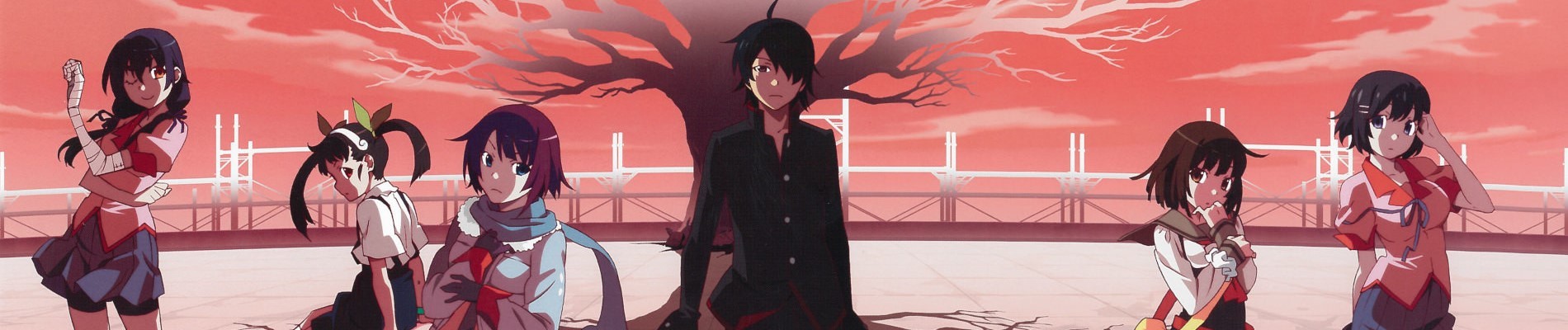
This isn’t urban fantasy as backdrop — it’s urban fantasy as psychic weather. The youkai aren’t monsters to slay; they’re crystallized anxieties, linguistic tics made flesh, emotional logic made visible. Tsubasa Tiger’s fractured identity isn’t metaphor — it is the sensation of watching your own reflection blink out of sync. Nadeko Medusa’s quiet unraveling isn’t drama — it’s the suffocating weight of suppressed rage wearing a polite smile. The achronological order isn’t a gimmick; it’s how memory actually works when trauma lives in your throat — jumping, doubling back, refusing chronology. You don’t watch this season for resolution. You sit inside its vertigo — that dizzy, intimate, claustrophobic space where philosophy and puberty bleed into the same sentence, where every glance carries the gravity of a vow, and every pause hums with unspoken consequence.
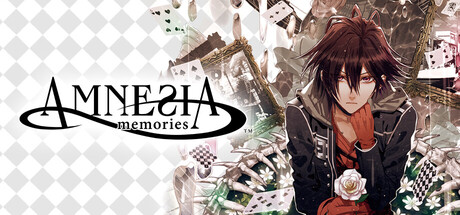
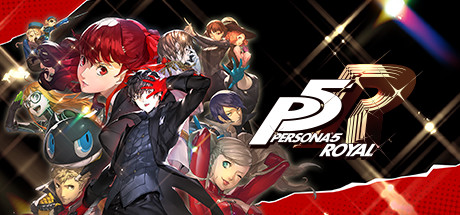
That emotional DNA — the weight of interiority, the beauty in psychological fracture, the way romance and dread share the same breath — echoes powerfully in Persona 5 Royal. Its description names “Romance & Shoujo” and “Emotional Narrative” — but what resonates is how both works treat relationships as combat systems: not physical, but rhetorical, emotional, existential. Like Araragi parsing a girl’s syntax to disarm her pain, Joker builds Confidants by listening past the words — noticing the tremor, the evasion, the lie wrapped in kindness. A player review calls its “Gameplay Loop” seamless between daily life and crisis — exactly how Monogatari Series Second Season blurs the line between classroom banter and soul-rending confrontation. Both make you feel the effort of connection — exhausting, necessary, luminous.
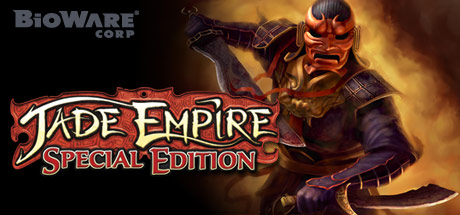
Then there’s Jade Empire™: Special Edition, tagged with “Mythology & Folklore” and “Emotional Narrative.” Its description invites you to walk “the path of the open palm or the closed fist” — a duality that mirrors Monogatari’s obsession with moral ambiguity and performative identity. Mayoi Jiangshi’s tragic, looping existence isn’t horror — it’s folklore as psychology, just as Jade Empire roots its martial arts philosophy in living myth. A player review mentions technical hurdles (“copy and paste steam.dll”), but the real friction — the thing that binds it to Monogatari — is the quiet, devastating cost of choice: choosing compassion over vengeance, truth over safety, self over role. Both make mythology feel personal, not epic.
And Dragon Age: Origins, with its “Dark Fantasy” and “Emotional Narrative” tags, lands with visceral force. Its description asks: What will history say about the hero who turned the tide? — a question Monogatari answers in whispers: history lies, memory distorts, and the real battle is always internal. A player review notes the “pause attack mechanic” helps “strategist your tactic” — but what’s truly strategic in both works is emotional timing. When do you interrupt? When do you stay silent? When do you name the thing no one dares to name? Araragi’s verbal sparring and Alistair’s reluctant confessions share the same desperate, tender calculus: speaking the unspeakable now, before the moment collapses.
This pairing isn’t for casual fans. It’s for the reader who underlines sentences in novels not for plot, but for how the comma falls before a confession. For the player who lingers in dialogue trees not to optimize stats, but to hear the crack in a character’s voice when they finally stop lying to themselves. For anyone who’s ever felt their own thoughts move faster than their mouth — who knows that the most dangerous battles happen in silence, in subtext, in the space between one breath and the next. That’s where Monogatari Series Second Season lives. And that’s where these games meet it — not with swords or spells, but with honesty, weight, and the unbearable, beautiful tenderness of being known.
🎮44 Games That Match the Vibe








Match Dimensions Explained
❓Frequently Asked Questions
Why does Persona 5 Royal keep coming up when I search for games like Monogatari Series Second Season?
Because both lean hard into stylized, self-aware narration, emotionally charged romantic subplots (like Joker’s bonds with Ann or Futaba), and a razor-sharp blend of everyday school life with surreal, high-stakes psychological stakes—think the Midnight Channel vs. the Snark’s metaphysical battles. Its 'daily life' rhythm, where dialogue choices and social stats shape story beats and even combat outcomes, mirrors Monogatari’s obsession with language, confession, and identity shifts.
Is there a visual novel adaptation of the Monogatari Series Second Season?
No official visual novel exists—it’s strictly an anime adaptation of Nisio Isin’s novels—but games like Dragon Age: Origins scratch that same itch: deep, choice-driven romance (e.g., Morrigan’s morally ambiguous arc or Alistair’s tragic nobility), layered dialogue trees where every conversation feels like a verbal sparring match, and emotional narrative weight that lingers long after cutscenes end.
How does Jade Empire compare to The Witcher 3 for Monogatari fans who love philosophical banter and moral ambiguity?
Jade Empire wins on tone: its Confucian-inspired ‘Open Palm vs. Closed Fist’ path system forces constant introspection—like Araragi debating truth vs. convenience—with NPCs who challenge your worldview mid-conversation (Master Li’s cryptic lectures feel straight out of a Senjougahara monologue). The Witcher 3 leans darker and more grounded; Jade Empire embraces mythic allegory and lyrical abstraction, much closer to Monogatari’s theatrical, idea-driven pacing.
What’s the best game like Monogatari Series Second Season if I want that late-night, rain-soaked, emotionally raw vibe with sharp dialogue?
Persona 5 Royal—hands down. Think of the rainy rooftop scene with Makoto before the Shibuya Clock Tower heist: neon reflections, whispered confessions, jazz piano swelling under tense silence. Its Tokyo setting breathes the same melancholy-yet-vibrant energy, and the Social Link system turns every hangout (like cooking with Ryuji or stargazing with Ann) into a quiet, character-revealing ritual—exactly the kind of intimate, verbally dense intimacy Monogatari thrives on.