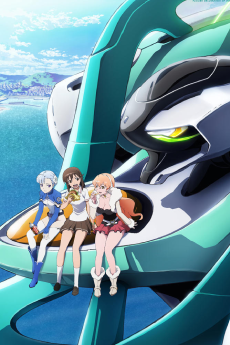
Lagrange: The Flower of Rin-ne
📺Anime Details
📝Editorial Analysis
The salt-sting of wind off the Seto Inland Sea, the clack-clack of sandals on sun-warmed concrete, and the sudden, breathless lurch as Madoka’s feet leave the ground—not in fear, but in trust, as her mecha’s thrusters ignite with a soft, resonant hum. Not a roar, not a scream—just a quiet, sure ascent, her school uniform fluttering like a flag over the water. That moment isn’t about victory or scale—it’s about weightlessness, about a body learning, for the first time, that its own motion can sync with something vast and alien, yet tender.
Lagrange: The Flower of Rin-ne doesn’t trade in apocalyptic stakes or grim determinism. Its sci-fi isn’t cold steel and flickering holograms—it’s warm light refracting through ocean spray, awkward silences in clubrooms thick with unspoken feeling, crossdressing farce dissolving into genuine vulnerability. The mecha aren’t weapons first—they’re extensions of identity, of rhythm, of belonging. When the CGI renders the Rin-ne units, they don’t gleam with militarized menace; they shimmer, almost translucent, like koi breaking surface—real robots yes, but animated by something closer to breath than ballistics. This is sci-fi soaked in presence: the weight of a shared glance across a classroom, the ache of a time skip measured in changed hairstyles and hesitant handshakes, the quiet shock of realizing your best friend’s voice sounds different—not because she’s lying, but because she’s becoming. It makes you feel tender, off-balance, suspended—like standing barefoot on wet sand just as the tide pulls back.
That emotional resonance echoes sharply in Tribes: Ascend. Player reviews call it “mindless fun”—but what’s mindless here isn’t emptiness; it’s the pure, kinetic flow of skimming across snowfields at impossible speed, jetpack humming, gravity forgotten, teammates’ calls crisp over comms. Like Madoka learning to fly her unit, it’s not about domination—it’s about sync, about reading teammates’ trajectories like body language, trusting a jump arc before you see the landing. The description mentions “weapon DLC” and “new featured content,” but the heart is in the movement: lightweight, airborne, communal, ephemeral. You don’t win by outgunning—you win by arriving together, just as the girls in the anime don’t pilot alone, but breathe in unison mid-air.
Then there’s Mr. Robot, where Asimov—a service mechanoid aboard the colony ship Eidolon—steps into malfunctioning systems not as a warrior, but as a caretaker. The player review notes its “light Mega Man Battle Network type exploration”: quiet corridors, soft interface glows, battles that feel more like diagnostics than destruction. That’s the same hush that falls when Lan flies her unit not to fight, but to reconnect—when the machine isn’t a tool of war, but a bridge across species, memory, and time. The Eidolon’s frozen colonists mirror the anime’s suspended timelines; both stories treat technology not as spectacle, but as custodian—holding space for fragile, human-scale reckonings.
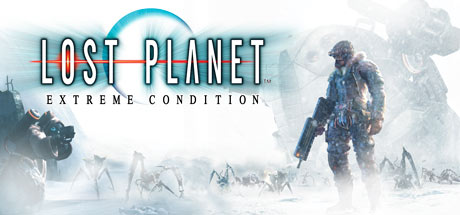
And Lost Planet™: Extreme Condition, with its “ice-covered wastelands” and “gargantuan alien Akrid,” seems like pure adrenaline—until you read the player’s disappointment: “super disappointed that Capcom still hasn’t fixed Colonies Edition.” That frustration isn’t about bugs—it’s about abandoned intimacy. The game’s core is survival against scale, yes—but the review’s longing reveals what stuck: the smallness of human resilience in that frozen expanse, the way warmth (literal and emotional) becomes the rarest resource. Just like Lagrange’s climax isn’t won with bigger guns, but with shared heat—a hand clasped, a mecha’s glow pulsing in time with a heartbeat, the thrum of connection cutting through cosmic silence.
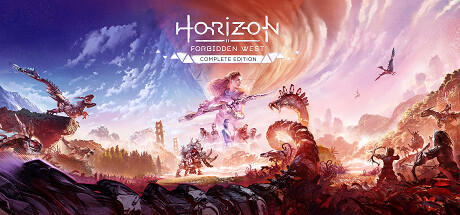
This pairing isn’t for fans of “mecha action” as genre checklist. It’s for the person who watches Madoka adjust her hair ribbon after landing, who replays the scene where Lan hesitates before speaking—not because she’s scared, but because the words matter too much. It’s for the player who circles back to a quiet corner of Horizon Forbidden West’s ruins just to watch the wind move through tall grass, or who pauses Tribes: Ascend mid-flight to admire the sun catching on a teammate’s trail. They’re drawn to stories where scale serves softness, where aliens aren’t invaders but mirrors, where every thruster flare carries the weight of a held breath—and every landing feels like coming home.
🎮18 Games That Match the Vibe


Match Dimensions Explained
❓Frequently Asked Questions
Why does Lost Planet: Extreme Condition feel so similar to Lagrange: The Flower of Rin-ne's mecha combat?
Because both lean hard into high-stakes, terrain-aware mech battles against colossal alien threats—Lost Planet’s Akrid fights on frozen wastelands mirror Rin-ne’s tense, physics-driven aerial duels with the Rin-ne mechs. You’ll recognize the same emphasis on thermal management (Lost Planet’s T-ENG system) and environmental vulnerability that makes Lagrange’s combat feel visceral and strategic—not just flashy.
Is there a Mr. Robot anime or manga adaptation like Lagrange: The Flower of Rin-ne?
No—Mr. Robot is a standalone sci-fi game about Asimov, a service mechanoid aboard the colony ship Eidolon, and has no anime, manga, or live-action adaptations. Unlike Lagrange (which *is* an anime-turned-game), Mr. Robot’s story unfolds entirely through its retro-futuristic exploration and light Mega Man Battle Network–style battles—no tie-in media exists.
How does Horizon Zero Dawn compare to Lagrange: The Flower of Rin-ne in terms of mecha storytelling?
Horizon Zero Dawn leans into mystery-driven worldbuilding—Aloy uncovering ancient ruins, rogue machines like Thunderjaw, and the truth behind the Faro Plague—whereas Lagrange centers on character-driven drama between teens piloting Rin-ne mechs amid interstellar politics. Both use mechs as emotional extensions (Aloy’s Focus vs. Rin-ne’s sync-based piloting), but Horizon’s tone is quieter, more archaeological; Lagrange’s is operatic and interpersonal.
What’s the best game like Lagrange: The Flower of Rin-ne if I want that same lonely, icy, survival-with-mecha vibe?
Lost Planet: Extreme Condition is your perfect match—it drops you onto a frozen, hostile planet where you’re constantly managing T-ENG heat while battling hulking Akrid and Snow Pirates. That same blend of isolation, environmental tension, and desperate mech-powered survival echoes Lagrange’s emotional weight, just swapped for blizzards instead of orbital battlefields.