
Sailor Moon S
This season makes a turning point in the Sailor Moon story. The Sailor Senshi are confronted by a new enemy, the Death Busters. Rei had a premonition that this enemy would rule the world in an era called the Silence. To do this, the Death Busters need to find the three Talismans that would summon the Holy Grail. However, two mysterious Sailor Senshi, Sailor Uranus and Sailor Neptune, plan to find the Talismans before them... but without Sailor Moon's help.
📺Anime Details
📝Editorial Analysis
The air in the Hikawa Shrine courtyard is thick—not with smoke, but with silence that hums. Rei stands barefoot on cold stone, eyes closed, breath shallow. Her fingers tremble as she traces the edge of a cracked fortune slip—“The world will end in stillness.” Not fire, not war, not chaos—but silence, absolute and suffocating. That moment isn’t about power or battle; it’s the quiet before a scream you’re too afraid to release. It’s the weight of knowing something terrible is coming—and that you might be the only one who feels its shape.
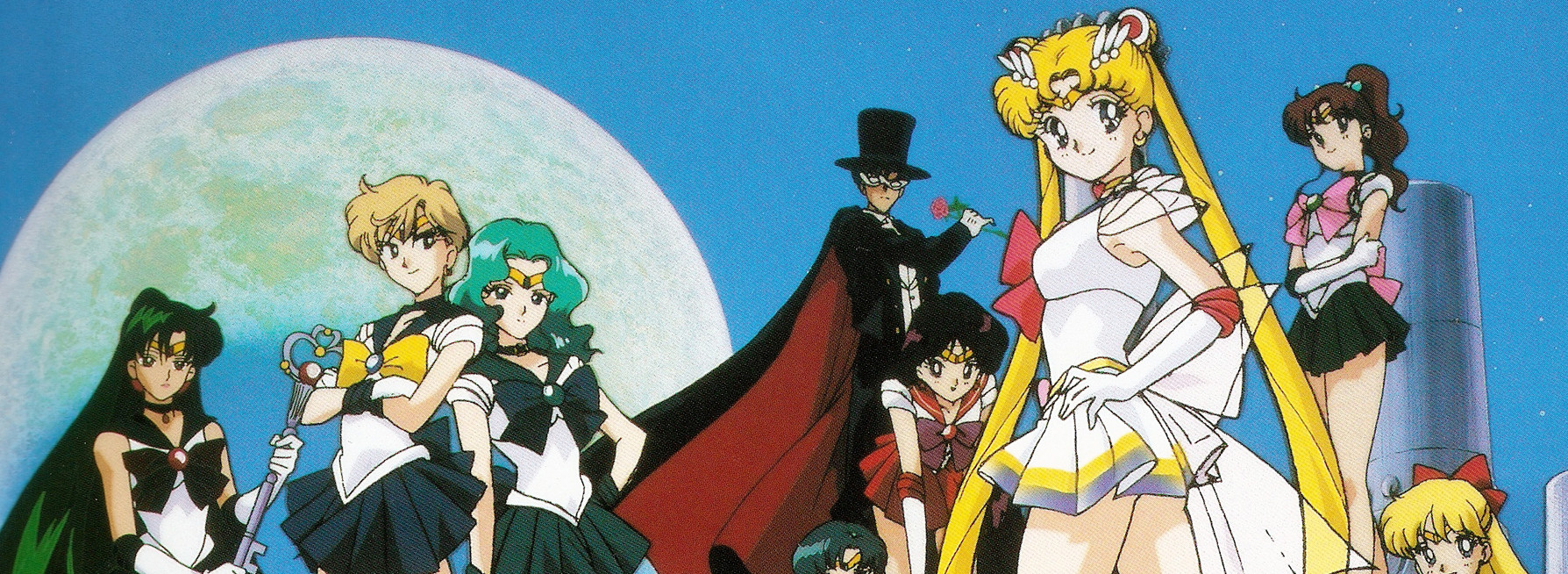
Sailor Moon S doesn’t trade in spectacle for its own sake. Its atmosphere lives in the tremor between certainty and dread—the way Usagi cries into her pillow after learning the Talismans could shatter reality, or how Haruka and Michiru move like blades drawn too slowly, their loyalty fraying at the edges of duty and love. This season makes you feel fragile, even when fists fly and ribbons flare. It’s urban fantasy steeped in intuition: premonitions that arrive like migraines, friendships tested by secrets held too tightly, romance that blooms not in grand declarations but in shared glances across a crowded rooftop—where two women hold hands without naming what they are, because the world isn’t ready, and neither are they. The magic isn’t just in the henshin—it’s in the way vulnerability becomes armor, and tenderness becomes resistance.
That emotional DNA pulses in Persona 5 Royal, where every day is a negotiation between who you are and who you must pretend to be. The description says it’s about “building relations” while exploring Tokyo—a city that feels as layered and watchful as Tokyo in Sailor Moon S, where alleyways hide both shadowy enemies and stolen moments of intimacy. A player review praises its “seamless transition between daily life and high-stakes drama”—exactly how Sailor Moon S moves from lunchtime bickering at Crown Café to standing on the edge of apocalyptic silence. Both treat time as sacred, finite, and emotionally charged: every choice matters not because it unlocks a skill tree, but because it deepens a bond—or breaks one.
Then there’s Disco Elysium - The Final Cut, where the description calls it a “groundbreaking role playing game” centered on a detective whose mind is a battlefield of voices, contradictions, and buried feeling. One player review quotes philosophy mid-sentence—not as pretension, but as reflex—mirroring how Sailor Moon S embeds existential stakes inside slapstick and schoolgirl banter. When Sailor Uranus snaps, “We don’t need your light,” it lands with the same gut-punch as Disco Elysium’s internal monologues dissecting grief, ideology, and self-deception. Both refuse easy answers: truth isn’t revealed in a final boss fight, but in the slow, painful work of listening—to others, to yourself, to the quiet voice that says this isn’t right, even when no one else hears it.
Even The Sims™ 4, despite its broken DLC economy and player frustration over bugs, taps into the same core pulse: play with life. Its description invites you to “create a world of Sims that’s wholly unique”—not through conquest, but through tiny, resonant choices: who cooks dinner, who stays up too late talking, who holds space for another’s sorrow. That’s the heartbeat of Sailor Moon S’s found family—the way Hotaru’s quiet presence reshapes the group’s gravity, or how Chibiusa’s stubborn hope cracks open hardened hearts. The anime doesn’t need world-ending stakes to make you care; it makes you care because it treats every glance, every hesitation, every unspoken apology like it matters. So does TS4—at its best, anyway—when a Sim sits alone on the floor, staring out a window, and you feel the weight of that stillness.
This isn’t for someone who wants clean heroics or frictionless power fantasies. It’s for the person who watches Rei light incense and thinks, I know that ache. Who plays Persona 5 Royal and lingers on the train ride home, listening to the soundtrack, letting melancholy settle like dust in sunlight. Who reads a Disco Elysium review quoting Marxist theory and nods—not because they agree, but because they recognize that kind of desperate, searching honesty. Who boots up The Sims™ 4, ignores the paywalls, and spends an hour arranging furniture just to watch two Sims sit side-by-side on a couch, silent, breathing the same air. They love stories where love is strategy, where silence has texture, where saving the world begins—not with a transformation pose—but with choosing, again and again, to stay tender in a universe that keeps asking you to harden.
🎮33 Games That Match the Vibe


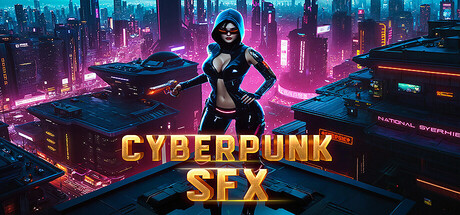
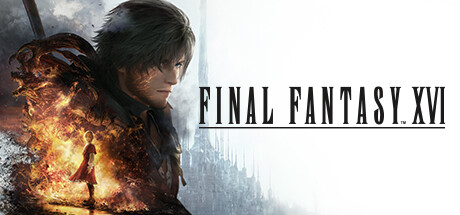


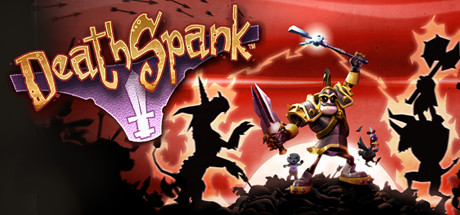
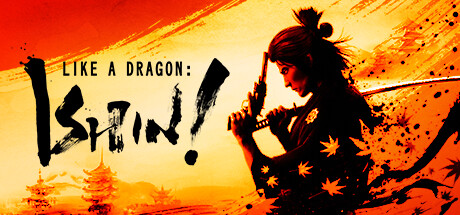

Match Dimensions Explained
❓Frequently Asked Questions
Why does Prince of Persia keep showing up in Sailor Moon S game recommendations?
Because both lean hard into romantic tension, dramatic action set-pieces (like Sailor Moon’s climactic battles against the Black Moon Clan), and playful, almost theatrical comedy—think Prince of Persia’s acrobatic rooftop chases mirroring Usagi’s flustered blushing during Mamoru’s swoon-worthy rescues. The game’s ‘Romance & Shoujo’ + ‘Action Spectacle’ dimensions align tightly with Sailor Moon S’s blend of heartfelt confession scenes and glittery, high-stakes duels.
Is there a Sailor Moon S video game adaptation?
No official Sailor Moon S–specific game exists—but Persona 5 Royal nails that same vibe: you juggle school life, late-night heroics as part of a secret team (the Phantom Thieves vs. the Sailor Guardians), and deep emotional bonds with characters like Ann or Futaba that echo the intimacy and growth in Usagi’s friendships with Chibiusa and the Outer Senshi. Even the Tokyo city exploration feels like a shoujo-tinged Shibuya reimagined.
How does The Sims 4 compare to Sailor Moon S for building relationships and drama?
The Sims 4 lets you craft your own Sailor Team—set up a pink-haired Sim as ‘Usagi’, assign ‘Sailor Mars’ vibes to a serious, fire-themed Sim, then stage rivalries, love triangles, and even magical transformations via custom content. It’s less scripted than Sailor Moon S but matches its ‘Romance & Shoujo’ + ‘Comedy & Parody’ energy—especially when you recreate iconic scenes like the Crown Café hangouts or chaotic group sleepovers with over-the-top reactions.
What’s the best Sailor Moon S–like game if I want emotional depth and found-family warmth?
Jade Empire™: Special Edition—it’s got that quiet, resonant heart: you bond with mentors like Master Li while navigating loyalty, sacrifice, and identity, much like Chibiusa learning to trust the Inner Senshi. Its ‘Emotional Narrative’ and ‘Romance & Shoujo’ dimensions shine in tender dialogue choices and branching relationship paths, echoing how Sailor Moon S uses small moments—like Hotaru’s hesitant smile after being accepted—to land big emotional punches.