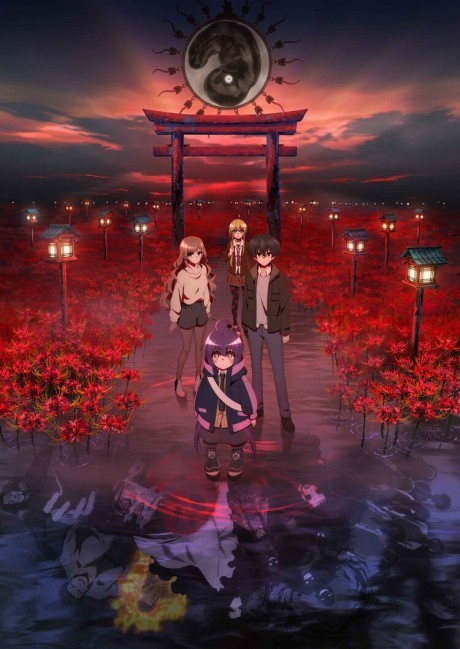
Dark Gathering
After a devastating encounter with a restless spirit, ghost-fearing psychic Keitarou Gentouga became a shut-in to avoid additional spectral catastrophes. But no man is a haunted island, and Keitarou eventually reintegrates with society by getting a part-time job as a tutor to the child prodigy Yayoi Houzuki. Yayoi isn’t just an academic genius, though. She’s a talented psychic medium hell-bent on finding the malevolent spirit behind her mother’s disappearance, and she’s gravely determined to drag Keitarou into her terrifying world of grotesque supernatural phenomenon.
(Source: HIDIVE)
📺Anime Details
📝Editorial Analysis
The flicker of a single fluorescent light in Keitarou Gentouga’s apartment—buzzing, uneven, casting long, trembling shadows across peeling wallpaper—is the first thing that aches. Not with jump-scare tension, but with the slow, suffocating weight of what’s already happened: the spirit’s touch, the way his hands still flinch at sudden silence, the way he counts breaths before opening the front door—not to face danger, but to prove he hasn’t fully dissolved into the static between worlds. That light doesn’t illuminate. It witnesses.

What makes Dark Gathering’s atmosphere singular isn’t its ghosts or exorcisms—it’s the grief that hums beneath the supernatural. This is urban fantasy where the city isn’t a backdrop but a scarred, breathing entity: damp alleyways hold residual sorrow like humidity; school corridors echo with unspoken trauma; even Yayoi’s genius feels less like brilliance and more like armor forged in absence. You don’t just fear spirits—you feel the quiet horror of inherited loss, of conspiracy as something whispered not in boardrooms but in hushed hospital corridors and half-erased police reports. It makes you think about how vengeance wears the same tired face as mourning—and how taming a creature might be the only way to stop it from taming you.
That resonance finds startling parallels in games where power is unstable, truth is buried under layers of ideology or decay, and the body itself becomes contested ground. BioShock™, for instance, shares Dark Gathering’s visceral dread of corrupted systems: both weaponize the uncanny valley of the familiar turned hostile—the glowing plasmid veins in Rapture mirror Keitarou’s psychic backlash; the political thriller dimension echoes the anime’s conspiracy tag, where institutions don’t just fail—they feed. A player review calls it “one of the most revolutionary games ever!”—and yes, but what lingers isn’t the revolution’s promise, it’s the rot beneath the utopia, the same rot that festers in Houzuki family records and abandoned shrine annexes. Both make you question whether salvation lies in fighting the monster—or understanding how you’ve already been shaped by its grammar.
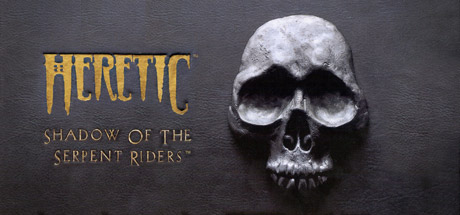
Then there’s Heretic: Shadow of the Serpent Riders, where you play “a heretic… one of the last Sidhe elves, and a capable mage, [on] a quest for vengeance against” corrupt, godlike brothers. That phrase—“quest for vengeance against”—lands with the same hollow finality as Yayoi’s vow to find the spirit behind her mother’s disappearance. Neither story offers catharsis; both treat revenge as a gravity well. The game’s “Body Horror & Occult” dimension aligns with Dark Gathering’s necromancy and creature taming—not as spectacle, but as desperate symbiosis. When a player urges others to “Pick up the remaster,” they’re not chasing nostalgia—they’re honoring a lineage of stories where magic isn’t flashy, it’s fractured, where every spell costs breath, every pact leaves a mark on the soul’s lining.
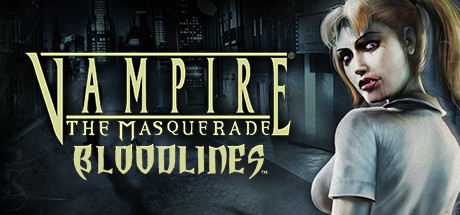
And Vampire: The Masquerade - Bloodlines, with its blend of “traditional RPG” depth and “brutal combat,” mirrors the anime’s tonal tightrope: intellectual rigor (Yayoi’s research, Keitarou’s psychic taxonomy) colliding with raw, physical consequence (spirit possession, exorcism backlash). Its “Body Horror & Occult” dimension isn’t about gore—it’s about transformation as violation, which echoes Keitarou’s fear of his own abilities, his shame at being both weapon and wound. A player’s note—“*BUY IT ON GOG; if you want to use the steam version you need to download the unofficial patch…”—reads like a ritual incantation, a testament to how deeply fans will go to preserve something fragile, something that matters* despite its flaws—just like Keitarou, who tutors Yayoi not because he believes in recovery, but because he can’t bear to watch another child become an orphan of the unseen.
This pairing isn’t for fans of “spooky fun” or “cool powers.” It’s for the ones who pause mid-episode when Keitarou stares at his reflection and wonders if the ghost is in the glass—or is the glass. It’s for players who replay BioShock’s audio diaries not for lore, but to hear the tremor in Andrew Ryan’s voice crack—not at the end, but three minutes before. It’s for people who understand that tragedy isn’t a plot point—it’s the air you breathe, the static in the light, the reason you keep counting breaths. They don’t want to defeat the darkness. They want to know how long it’s been living inside them.
🎮27 Games That Match the Vibe



Match Dimensions Explained
❓Frequently Asked Questions
Why does Dark Gathering feel so much like BioShock when I'm exploring the underwater city?
That eerie, decaying Art Deco aesthetic and oppressive political thriller vibe—especially the way Big Daddies loom in flooded corridors while audio diaries whisper about fallen ideals—is straight out of Rapture. BioShock (78/100) nails that same blend of body horror and occult dread, with its plasmid mutations and Little Sisters’ haunting chants echoing Dark Gathering’s cursed rituals and corrupted spirits.
Is there an anime or live-action adaptation of Dark Gathering?
No official adaptation exists yet—but if you're craving that same layered conspiracy + supernatural dread, Vampire: The Masquerade – Bloodlines (71/100) is your best stopgap. Its L.A. noir setting, faction-driven dialogue (like talking your way past a paranoid Ventrue elder), and visceral blood-based combat mirror Dark Gathering’s moral ambiguity and gothic tension far more than any licensed show could right now.
How does Heretic: Shadow of the Serpent Riders compare to Vampire: The Masquerade – Bloodlines for occult-heavy RPGs?
Heretic (71/100) leans hard into dark fantasy with its Sidhe elf protagonist casting runes against serpent-god cultists in grim, maze-like temples—think ritual altars and flesh-melting curses. Bloodlines swaps that for grounded urban vampirism: you’re choosing between feeding on a drunk in a Hollywood alley or negotiating with a Malkavian who’s literally hearing voices from the Abyss. Both deliver body horror & occult, but Heretic’s more arcade-y and mythic; Bloodlines is deeply personal and dialogue-scarred.
What’s the best game like Dark Gathering if I want slow-burn dread and unsettling folklore vibes?
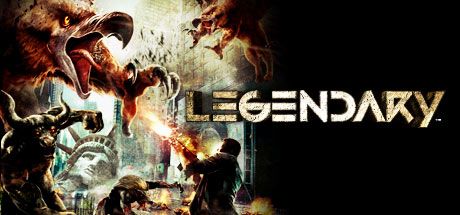
Go straight to Legendary (68/100)—it’s the unsung gem for that exact mood. When Deckard opens Pandora’s Box and ancient Slavic *leshy* and Norse *draug* start shambling through rain-slicked alleys with uncanny animations, it hits the same folkloric unease as Dark Gathering’s yokai encounters. The jank is real, but the atmosphere? Thick as fog in a Shinto forest—and way more authentically myth-soaked than most modern titles.