
Yuuna and the Haunted Hot Springs
Kogarashi Fuyuzora is a "hands on" psychic. Ever since the day he got possessed by an evil ghost, he has been burdened with debt. Needing a cheap room to rent, he winds up at a haunted hot springs inn, Yuragi Inn, where only incredibly beautiful girls reside. Amongst the residents is a ghost, Yuuna, who cannot move on to the spirit world. Despite the resistance from the current tenants that are all girls, Kogarashi manages to start his new life at Yuragi Inn.
(Source: Crunchyroll)
📺Anime Details
📝Editorial Analysis
The steam rises—not from the bath, but from Kogarashi’s face, beet-red and dripping with sweat, as Yuuna floats inches away, translucent fingers brushing his cheek while the rest of the Yuragi Inn girls shout in unison, “Pervert!”—a slapstick detonation of flying towels, flustered yelps, and a sudden, perfectly timed thwack of a wooden geta against his skull. That moment isn’t just comedy—it’s the anime’s heartbeat: warm, chaotic, deeply human, and humming with quiet spiritual weight beneath the ecchi surface.

What makes Yuuna and the Haunted Hot Springs feel unlike anything else isn’t its harem setup or ghost premise—it’s how it treats presence. Every spirit lingers not as threat, but as unresolved tenderness; every exorcism is less about banishment and more about listening. The inn isn’t haunted—it’s occupied, full of girls whose lives are messy, bodily, vividly here: steam clinging to bare shoulders, the weight of debt pressing on Kogarashi’s shoulders, Yuuna’s soft glow flickering like candlelight in a draft. It makes you feel tenderness, not titillation; safety, not spectacle. You don’t watch it to gawk—you watch because, for 24 minutes at a time, you’re wrapped in a space where vulnerability isn’t punished, where even a male protagonist’s awkwardness is met with exasperated care, not contempt. It’s gentle, even when it’s absurd.
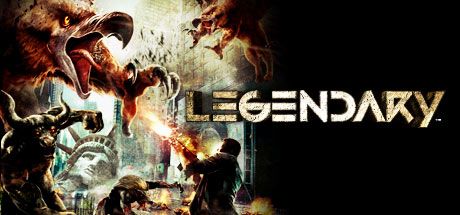
That emotional DNA—the way the supernatural folds into daily life without irony or dread—resonates sharply with Legendary, not because of its mythic scale, but because both treat ancient, eerie forces as domestic. The game’s description says creatures of myth are “sealed away… waiting”—just like Yuuna, suspended between worlds, neither gone nor fully here. Its player review praises “incredible” animations and embraces the jank—much like how Yuuna leans into its own physical comedy: exaggerated recoil, squash-and-stretch slapstick, the way a ghost’s hair ripples mid-air like water. Both accept their own artifice, not as flaw, but as texture—warm, handmade, alive.
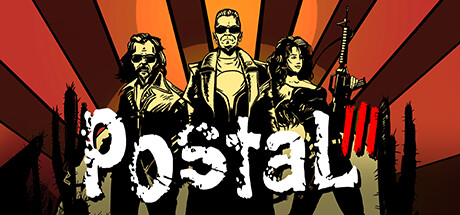
Then there’s Postal III, whose description frames moral choice as “Good or Insane?”—a phrase that could double as Kogarashi’s internal monologue every time he blunders into a bathhouse misunderstanding. Its player review admits the story is “a little weird,” then shrugs: “It’s postal, so everything is weird.” That same shrug lives in Yuuna: no apology for absurdity, no over-explanation for why a shapeshifting youkai runs the laundry or why a psychic’s exorcism involves boiling eggs and yelling. The comedy isn’t parodying genre—it’s breathing within it, unselfconscious and stubbornly kind.
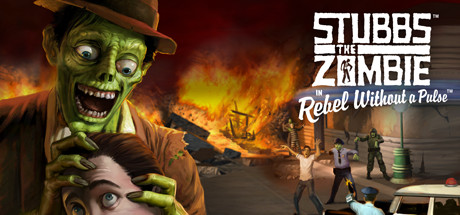
And Stubbs the Zombie in Rebel Without a Pulse, with its blunt, joyful tagline—“Be the Zombie. Kick A and Take Brains.”—mirrors Yuuna’s refusal to pathologize the uncanny. Stubbs isn’t tragic—he’s liberated, ridiculous, present in his rotting body. Yuuna isn’t a damsel haunting limbo—she’s curious, mischievous, learning how to hold a teacup with spectral fingers. Both treat embodiment—fleshy, flawed, temporary—as something to inhabit fully, even (especially) when it’s falling apart. The player review calls it “worth every penny” because it commits—no winking, no distancing. Neither does Yuuna.
This pairing sings for the viewer who cries during a bath-scene misunderstanding—not from embarrassment, but from recognition. For the player who reloads after a clumsy jump not to win, but to feel Stubbs’ lurch again, or to watch Deckard’s ragdoll physics reset one more time, because the body’s honesty is the point. It’s for people who love the way steam fogs a mirror just so, how a ghost’s voice catches on a laugh, how laughter and longing share the same breath—and how, sometimes, the most radical thing a story can do is let everyone stay exactly where they are: half-ghost, half-human, all heart, all here.
🎮12 Games That Match the Vibe






Match Dimensions Explained
❓Frequently Asked Questions
Why is Legendary listed as similar to Yuuna and the Haunted Hot Springs when it’s all body horror and ancient monsters?
Good catch — it’s not about tone, but shared *mythology-and-folklore* DNA: Yuuna draws heavily from Japanese yōkai lore (like the oni boss in Episode 7’s hot spring purification ritual), and Legendary pulls from global myths (Norse Jörmungandr, Egyptian Ammit) with the same reverence for creature design and ritualistic worldbuilding. Both treat folklore as living, breathing systems—not just set dressing.
Is there a Yuuna and the Haunted Hot Springs video game adaptation?
No — there’s no official Yuuna game. That’s why fans lean into matches like Stubbs the Zombie, which nails the absurd-yet-sacred vibe: Stubbs’ brain-snatching chaos mirrors Yuuna’s comedic exorcisms (e.g., the ‘possessed towel rack’ scene), and both use slapstick to soften supernatural stakes without undercutting them.
How does Postal III compare to Yuuna and the Haunted Hot Springs in terms of humor and horror?
They’re polar opposites in intent but weirdly aligned in structure: Yuuna uses gentle parody (like the ‘ghost tax audit’ subplot), while Postal III goes full satirical anarchy (Postal Dude arguing with a sentient traffic cone). Yet both weaponize comedy *against* horror tropes — Yuuna disarms oni with tea ceremonies; Postal III disarms cultists with a flamethrower and terrible life choices.
What’s the best game like Yuuna if I want something cozy but with actual occult weight?
Go straight to Legendary — its Pandora’s Box mechanic (sealing/unsealing mythic beings) mirrors Yuuna’s hot spring spirit-binding rituals, and the quiet reverence in its cutscenes (like Deckard tracing a Sumerian ward before battle) gives that same ‘warm bath + ancient power’ duality. It’s not fluffy — but it *feels* sacred, like Yuuna’s shrine scenes.