
Princess Mononoke
A calm village residing in the mountains comes under attack from a demon-possessed boar one day.
Ashitaka, a young man and prince of the tribe, engages the creature in an attempt to save his village. During the battle, the boar bites him on the arm, leaving it blackened and cursed. Following his village's traditions, Ashitaka is exiled and becomes a wanderer, looking for a solution to the curse before it engulfs him.
Iron Town is a fortress under the leadership of Lady Eboshi. Through the clearing of the surrounding forests, Iron Town produces large amounts of Ironsand, used for gunpowder and other machinery. However, because of the forests destruction, nearby animal clans seek revenge led by a human girl of the Wolf clan called San.
When Ashitaka comes to Iron Town, he discovers the area consumed in battle. Horrified, he attempts to create peace and befriend the Wolf Clan. However, after the forest's eradication and the ongoing war between Human and Beast, will the Spirit of the Forest be forgiving and accept Ashitaka's request to expel his curse?
[Written by MAL Rewrite]
📺Anime Details
📝Editorial Analysis
The boar god’s final breath isn’t a roar—it’s a wet, guttural wail, thick with black ichor and sorrow, as its body unravels into writhing tendrils of curse and smoke. Ashitaka staggers back, his arm already darkening like ink spilled under skin, the village behind him silent except for the low, trembling hum of terrified prayer. That moment—not the battle, but the aftermath—is where Princess Mononoke lives: in the unbearable weight of consequence, in the way violence doesn’t end; it mutates, spreads, becomes flesh and forest and fate.
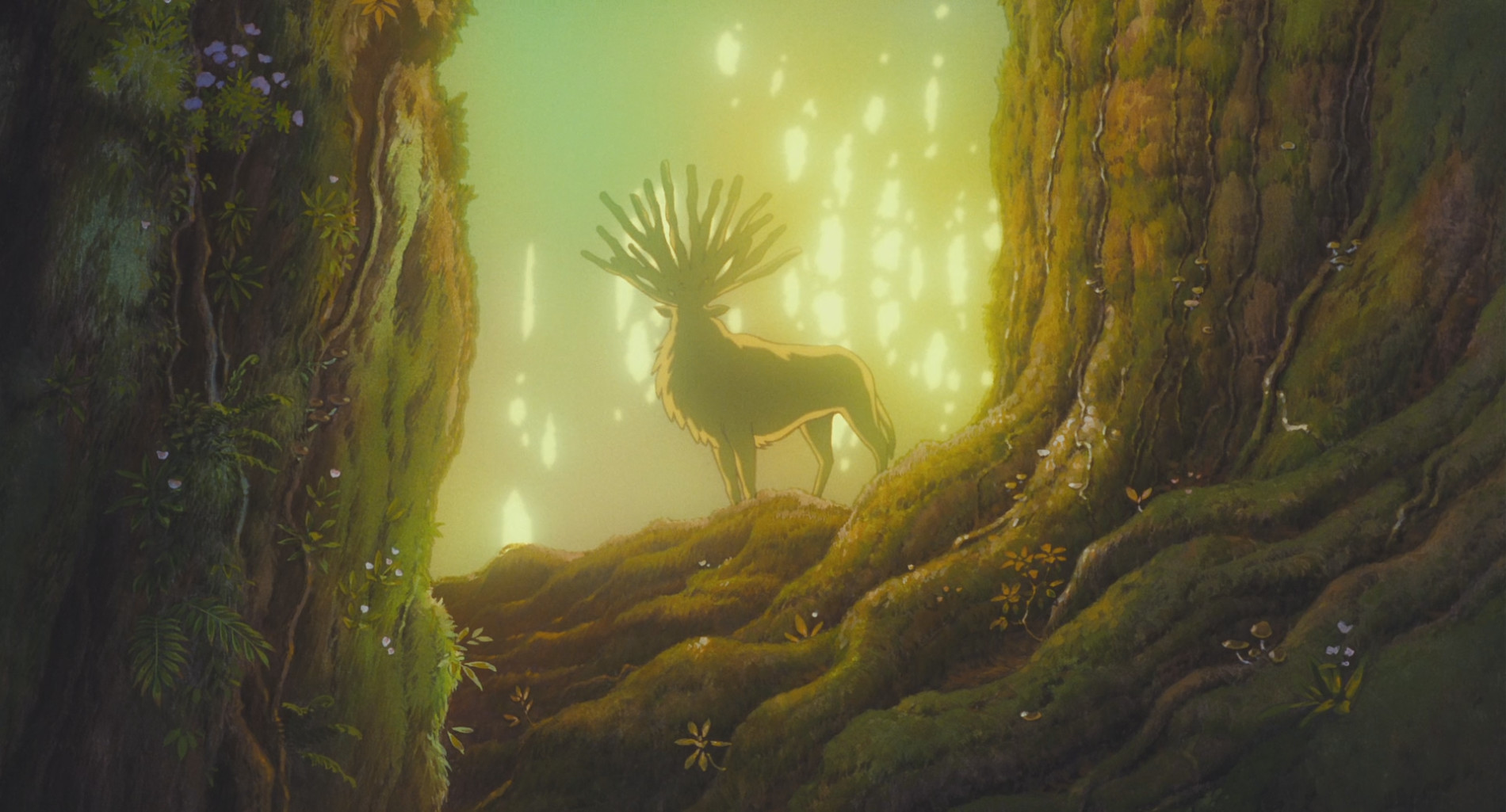
This isn’t fantasy as escape. It’s fantasy as pressure. You feel the damp chill of mist clinging to cedar trunks, the grit of iron sand under bare feet in Iron Town, the nauseating warmth of blood pooling where a wolf’s jaw meets steel—and then, seconds later, the uncanny stillness when a god dissolves into deer-light and dust. There’s no moral high ground, only shifting fault lines between reverence and survival, between sacred and scraped raw. It makes you think—not about good vs. evil—but about what happens when your hands are already stained, when healing demands not victory, but surrender to ambiguity. The wilderness isn’t backdrop; it’s breathing, watching, remembering every wound.
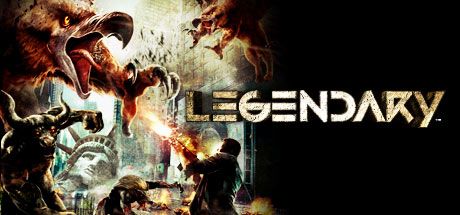
That emotional DNA—the visceral entanglement of body, land, and myth—resonates sharply with Legendary, whose description confirms: “All creatures of ancient myth, legend and lore are real—they've just been sealed away for thousands of years inside Pandora's Box, waiting…” Like the forest gods of Princess Mononoke, these beings aren’t metaphors. They’re physical, ancient, and violently reawakened—dragged back into a world that forgot how to kneel. A player review notes the “animations… incredible. Better than most games of the more modern era”—and that tactile, almost biological weight in movement mirrors Miyazaki’s rotoscoped boars and mushi: bodies that strain, pulse, ooze with presence. The jank? It doesn’t break immersion—it deepens it, like the rough-hewn textures of Iron Town’s furnaces or the ragged breathing of a wounded san.
Then there’s Prince of Persia, described as returning “with an all-new epic journey” built on “Healing & Slow Life” and “Melancholic Exploration.” Not action-first, but recovery-first—just as Ashitaka’s entire arc is a pilgrimage toward understanding, not cure. His journey isn’t about slaying the source of the curse, but walking into its origin, listening to trees, kneeling before spirits, learning that some wounds don’t close—they teach. The player review calls it “a new prince, new lands and a brand new story completely separate from the sands…” — that deliberate severance echoes Ashitaka’s exile: no return, no familiar map, only slow, quiet observation as resistance. The melancholy isn’t passive; it’s the ache of attention—like watching deer-gods glide across misty ridges, knowing they won’t pause for you.
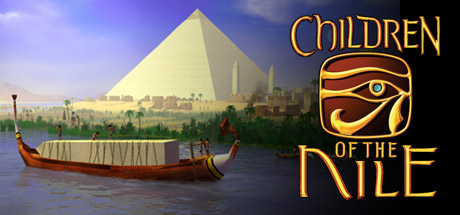
And though less obvious, Children of the Nile: Enhanced Edition shares something quieter but vital: its description frames you as Pharaoh, guiding people “through thousands of years of history” in a game praised for “grandeur and attention to detail.” That’s the same scale of time-as-character that haunts Princess Mononoke—the rust on Eboshi’s cannons, the centuries-deep grooves in shrine stones, the way a single human life is a flicker against the forest’s memory. A player admits “how many hours I have lost to this game… how painful it is for me to play right now,” capturing that deep, almost sacred fatigue of stewardship—the exhaustion of tending something vast, fragile, and older than yourself.
You’d love these pairings if you’ve ever paused mid-game to watch rain pool in a cracked pavement, or held your breath when a fox-spirit stepped from fog—not because it’s pretty, but because it feels like it remembers you. If you don’t want heroes who win—you want ones who witness, who carry scars that glow faintly in moonlight, who understand that peace isn’t silence, but the fragile, trembling space between two kinds of hunger. This is for the person who replays the scene where Ashitaka places his cursed hand on the dying boar’s snout—not to heal, not to fight, but to feel the truth of its rage—and feels, in their own chest, the exact same ache, the same weight, the same terrible, necessary tenderness.
🎮28 Games That Match the Vibe









Match Dimensions Explained
❓Frequently Asked Questions
Why is Legendary listed as similar to Princess Mononoke when it’s about Greek myths, not Shinto spirits?
Great question—it’s not the *specific* mythology that matches, but how both treat ancient beings as living, breathing forces tied to nature and consequence. In Legendary, creatures like Typhon and Medusa aren’t just bosses; they’re sealed away because their presence warps reality—much like the Forest Spirit or Nightwalker in Mononoke, whose suffering literally decays the land. The game’s ‘Body Horror & Occult’ dimension mirrors Mononoke’s visceral transformation scenes, like San’s wolf-ferocity or the boar god’s curse-ridden rampage.
Is there a Princess Mononoke video game adaptation?
No—there’s never been an official Princess Mononoke game adaptation, despite decades of fan hope. Studio Ghibli has consistently declined to license their films for games (unlike Spirited Away, which got a Japan-only PS2 title). So all ‘games like’ lists—including this one—are based on *thematic resonance*, not direct adaptations. That’s why Prince of Persia (with its melancholic exploration of ruined temples and fading magic) or Children of the Nile (where gods respond to your city’s piety or hubris) feel spiritually close, even though they’re entirely original.
How does Prince of Persia compare to Children of the Nile for Mononoke vibes?
Prince of Persia leans into Mononoke’s quiet sorrow—think wandering mist-shrouded ruins with crumbling murals of forgotten gods, or healing a poisoned garden only to watch it wither again (that ‘Melancholic Exploration’ dimension hits hard). Children of the Nile, meanwhile, echoes Mononoke’s societal tension: you’re Pharaoh balancing farmers’ prayers to Osiris against priests demanding temple expansions—just like Ashitaka mediating between Iron Town’s industry and the forest’s wrath. One’s intimate and lyrical; the other’s systemic and slow-burning.
What’s the best game like Princess Mononoke if I want that feeling of sacred, decaying nature?
Go straight to Prince of Persia (2008)—not the Sands trilogy, but the reboot with Elika. Its world bleeds corruption like Mononoke’s forest: blighted trees twist into jagged black thorns, light fades from temples as darkness spreads, and every healing ritual feels fragile, temporary. The animations—Elika’s fluid acrobatics, the way vines recoil from her touch—mirror San’s reverence for life and Ashitaka’s gentle strength. It’s the only match here with ‘Healing & Slow Life’ as a core dimension, and reviewers called it ‘a poem in motion’ for good reason.