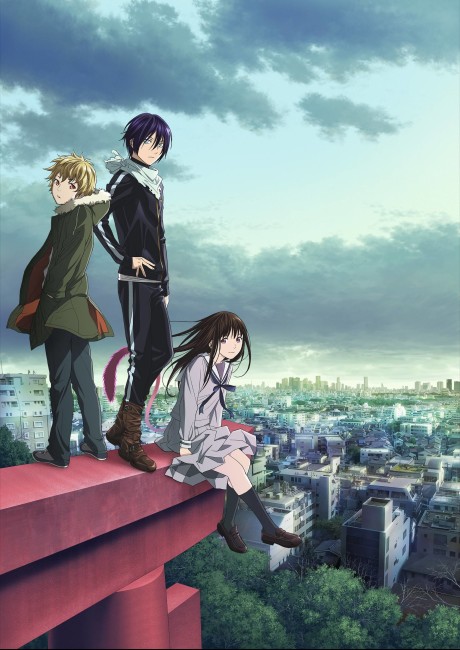
Noragami
Minor god Yato is down on his luck. Fed up with his slacker lifestyle, his partner abruptly quits. He has no money, no worshippers, and no shrine to call home. But just when things are starting to seem hopeless, a bus accident forces him to cross paths with Hiyori Iki, a sweet and perky high school girl. After the accident, Hiyori's soul has a bad habit of slipping out of her body, and after enlisting Yato's help to get her back to normal, she begins to fall into the world of spirits and gods.
But Hiyori's not the only one who's keeping tabs on Yato. A god from Yato's past is back, and he's not interested in a friendly reunion.
(Source: Funimation)
📺Anime Details
📝Editorial Analysis
The smell of rain on hot pavement. The flicker of a cheap neon sign—Yato Shrine, barely legible—casting a sickly pink glow over cracked concrete. Yato kneels in an alley, sleeves rolled, scrubbing dried mud off a rusted shinki blade with a paper towel he found in a dumpster. His hair’s damp, his grin strained, and for one breath, the world isn’t about contracts or curses—it’s just this: the grit under his nails, the weight of a god who has to clean his own weapon because no one else will. That’s Noragami—not grand ascensions or divine thunder, but the quiet, stubborn dignity in showing up when you’re broke, unshrined, and barely believed in.
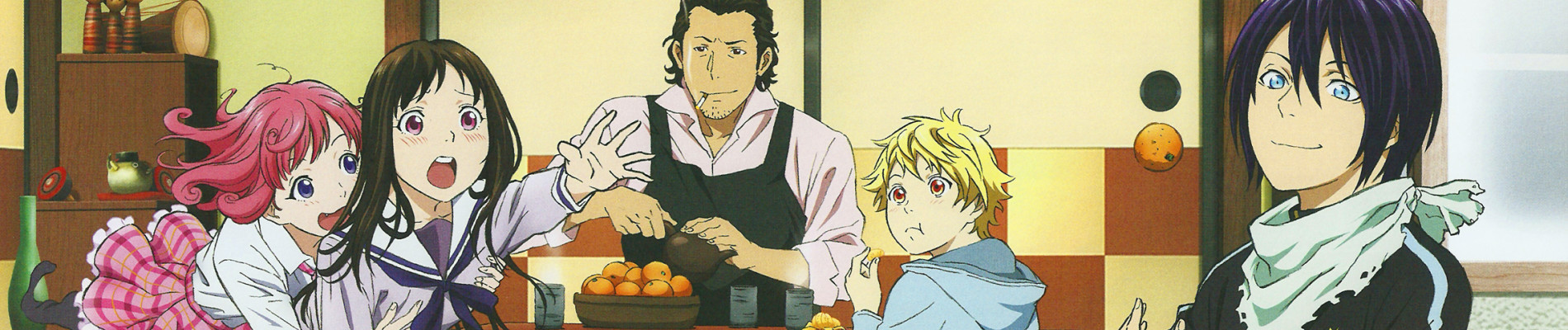
What makes Noragami ache so deeply isn’t its mythology—it’s the tenderness it wraps around fragility. It doesn’t romanticize being lost; it holds space for it. Hiyori’s soul slipping loose isn’t spectacle—it’s vulnerability made physical, like catching your breath mid-fall. Yato’s jokes land too fast, his laughter too loud, because silence would mean admitting how thin his footing is. Even the gods here aren’t omnipotent—they’re overworked, underpaid, emotionally constipated, clinging to meaning through tiny rituals: a shared bento, a repaired umbrella, a name carved into wood. You don’t feel awe—you feel recognition. Like watching someone you love try, desperately, to keep their hands warm in winter.
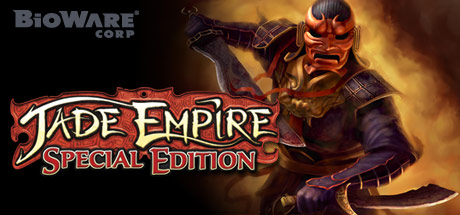
That emotional DNA pulses strongest in Jade Empire™: Special Edition. Its description promises a martial-arts master walking the path of open palm or closed fist—but what lingers isn’t combat philosophy, it’s the emotional narrative: choices that don’t just shift plot, but warp identity, loyalty, memory. A player review calls it “fantastic,” then pivots instantly to the labor of accessing it—copying a steam.dll file, hunting instructions on Reddit. That dissonance mirrors Noragami’s core tension: profound mythic stakes wrapped in mundane, almost clumsy reality. Both ask you to care deeply about beings whose divinity is constantly undermined by bureaucracy, bad Wi-Fi, or outdated software—and yet, somehow, you do. The reverence isn’t in the scale. It’s in the effort.
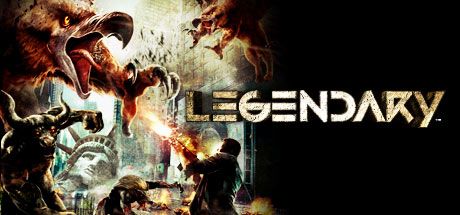
Then there’s Legendary, where ancient myth isn’t resurrected—it’s unsealed, raw and unfiltered, from Pandora’s Box. Its description names Deckard, a thief hired for a job that cracks open millennia of containment. Player reviews praise the animations—“incredible… better than most modern games”—but immediately undercut that beauty with honesty: “It definitely has some ‘jank.’” That’s Noragami’s heartbeat again: sacred things leaking into the everyday, not with grace, but with glitchy urgency. Yato’s shapeshifting isn’t sleek—it’s awkward, sometimes painful, often interrupted by a ringing phone. The youkai aren’t elegant horrors; they’re tangled, misshapen, half-formed things that fester in subway tunnels and abandoned lockers. Like Legendary, Noragami treats folklore not as polished lore, but as living, breathing, occasionally malfunctioning infrastructure—and the jank isn’t a flaw. It’s proof the world is real, breathing, imperfectly held together.
Who loves this pairing? Not just fans of gods and monsters—but people who cry at grocery lists written in shaky pen, who pause when a stranger holds a door just a second too long, who understand that devotion looks less like lightning and more like showing up, again and again, with a bent spoon and a half-charged phone. It’s for the ones who’ve ever whispered a prayer into a cracked teacup, or reinstalled a game three times just to hear a particular voice line—because some connections, however fragile, are worth the friction. They don’t want power fantasies. They want presence. The kind that smells like rain, tastes like convenience-store rice balls, and hums, quietly, with hope.
🎮5 Games That Match the Vibe

Match Dimensions Explained
❓Frequently Asked Questions
Why does Legendary feel so much like Noragami despite having no gods or spirits in the main cast?
Because both lean hard into mythological worldbuilding where ancient beings are *real*, dangerous, and bound by eerie rules—like how Legendary’s Pandora’s Box seals eldritch creatures (Cerberus, Minotaur) just like Noragami’s Shinki contracts bind spirits to humans. Deckard’s morally gray heist missions echo Yato’s ‘5-yen god’ hustle, and the body horror of transforming enemies (e.g., the Fleshweaver boss) mirrors the visceral decay of corrupted ayakashi.
Is there a Noragami video game adaptation?
No—there’s never been an official Noragami game. But if you love its tone, Jade Empire™: Special Edition nails the emotional weight and mythic stakes: you play a martial-arts student navigating divine politics, moral choices (Open Palm vs. Closed Fist), and tragic backstories—just like watching Yato grapple with his forgotten past in episode 12’s shrine flashback scene.
Jade Empire vs. Legendary—which one’s better for someone who loves Noragami’s mix of tender character moments and sudden, brutal spirit battles?
Jade Empire, hands down—it balances quiet, dialogue-driven scenes (like your mentor Master Li’s final confession) with fluid, combo-heavy martial arts that *feel* spiritual, not just flashy. Legendary’s combat is more janky and over-the-top (think Cerberus’ three-headed lunge), which leans into chaos over intimacy—great for Noragami’s action but less for its tear-jerking human-spirit bonds.
What’s the best game like Noragami if I want that bittersweet, rain-soaked shrine-at-dusk mood with quiet melancholy?
Jade Empire™: Special Edition—especially the Spirit Monk path, where you commune with ancestral spirits in misty, lantern-lit shrines (like the Azure Dragon Temple sequence), and your choices echo Yato’s loneliness and longing. The 73 Metacritic score reflects how well it lands that emotional narrative dimension, even if you have to patch it with that Reddit steam.dll fix to run smoothly.