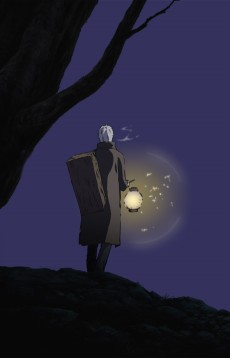
MUSHI-SHI The Next Passage Special - Path of Thorns
Unaired episode of Mushishi Zoku Shou bundled with anime's third Blu-ray/DVD volume.
Adapts "Odoro no Michi" (Path of Thorns) manga chapters.
📺Anime Details
📝Editorial Analysis
A single thorn pierces Ginko’s palm—not deep, not bleeding much—yet he pauses mid-step on the forest path, breath catching like a leaf snagged on barbed wire. He doesn’t pull it out. Doesn’t flinch. Just watches the faint, pearlescent shimmer rise from the wound—a soft, slow mushi exhalation, barely visible in the damp morning light. That quiet suspension—between pain and acceptance, intrusion and communion—is where MUSHI-SHI The Next Passage Special - Path of Thorns lives.
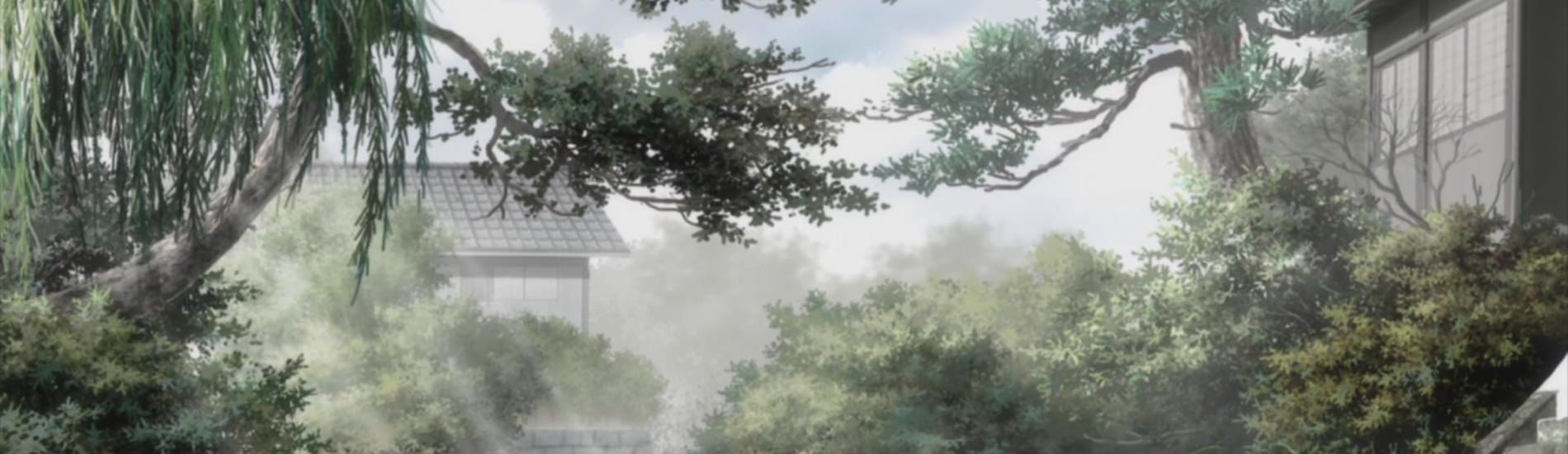
This isn’t fantasy that dazzles or terrifies. It’s stillness made sentient. The air hums—not with battle music or exposition—but with the low thrum of root systems shifting under loam, of mist thickening over rice paddies just before dawn, of silence so layered you hear your own pulse sync with the wind through bamboo. There’s no villain, no quest, no clock ticking toward catastrophe. Just a man walking, observing, listening—and recognizing that every boundary—skin, soil, season, memory—is porous. What lingers isn’t plot, but weight: the quiet dread of something ancient stirring beneath a child’s fevered skin, the sorrow in a farmer’s eyes as he watches his field bloom too perfectly, the hush after a mushi dissolves not with a bang, but a sigh that smells like petrichor and old paper. It makes you feel small, yes—but not powerless. Attentive. Like the world is whispering, and you’ve finally learned to hold your breath long enough to hear it.
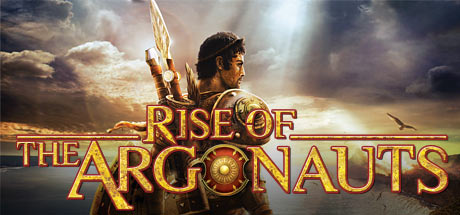
That same hushed reverence for myth as ecology—not spectacle—echoes in Rise of the Argonauts, where Jason doesn’t wield god-killing swords so much as navigate the consequences of divine logic: a curse isn’t broken by force, but by understanding its origin in grief, betrayal, and the unbroken thread of Homeric causality. Its player review nails it—“If you love games based on ancient history this one does it right…”—because it treats mythology not as costume, but as environment: temples breathe, oracles speak in riddles that rearrange time, and every choice lands with the gravity of a stone dropped into a still pond. Like Ginko tracing a mushi’s path through a village’s water source, Jason traces fate through lineage, ritual, and the stubborn, messy weight of human devotion.
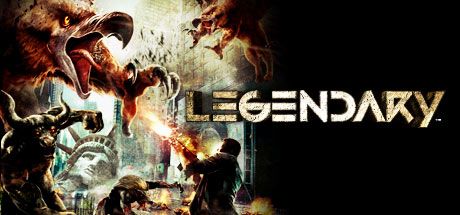
Then there’s Legendary, where myth isn’t resurrected—it’s unsealed, raw and unmediated, leaking into the modern world like groundwater through cracked concrete. Its description says creatures “have just been sealed away… waiting…”—not sleeping, not dormant, but contained, held at bay by fragile thresholds. That tension—the sense of ancient things pressing just beyond perception, vibrating behind walls, under floorboards, in the static between radio stations—is pure MUSHI-SHI. A player notes the animations are “incredible… better than most games of the more modern era”—and that uncanny physicality, that jarring, almost biological unease in movement (the “jank” they mention), mirrors how mushi manifest: not as monsters, but as processes—a flower blooming sideways, a shadow detaching, a voice speaking from inside a hollow tree. Both refuse easy categorization; both make the familiar uncanny by revealing the living grammar beneath reality’s surface.
And MUSHI-SHI The Next Passage Special - Path of Thorns, adapted from “Odoro no Michi,” carries that same rural, seinen gravity—no grand battles, just the slow unraveling of a thorn-path that isn’t on any map, but winds through memory, land-use, and intergenerational silence. It’s environmental storytelling as spiritual archaeology.
This pairing sings to the person who reads weather reports like poetry, who pauses to watch ants cross pavement, who feels the chill when a streetlight flickers just as a story reaches its hinge. Not the collector of lore, but the listener at the threshold—someone who knows that the most profound demons aren’t in the dark, but in the way light falls across an empty chair, or how a name spoken too softly can wake something older than language. They don’t seek answers. They carry the question, gently, like a thorn they haven’t yet removed.
🎮20 Games That Match the Vibe








Match Dimensions Explained
❓Frequently Asked Questions
Why is Rise of the Argonauts listed as similar to Mushi-Shi: The Next Passage Special – Path of Thorns?
Because both lean hard into quiet, melancholic folklore — not flashy battles, but slow-burn encounters with ancient, ambiguous spirits tied to human sorrow. Jason’s grief-driven quest to resurrect his fiancée mirrors Ginko’s journeys through liminal spaces where thorned memories and fragile life forces (like the 'Mushi') coexist; one reviewer even called Rise 'a mythic tragedy told in hushed tones,' which nails the Path of Thorns’ atmosphere.
Is there a video game adaptation of Mushi-Shi: The Next Passage Special – Path of Thorns?
No — there’s never been an official Mushi-Shi game, let alone one for Path of Thorns. That’s why the closest matches are tonal cousins like Legendary and Rise of the Argonauts: both use myth-as-metaphor, feature morally gray spirit encounters (e.g., Legendary’s Pandora’s Box unleashing corrupted entities that twist flesh and faith), and prioritize mood over mechanics — just like Ginko tracing a thorned path through mist-shrouded forests.
How does Legendary compare to Rise of the Argonauts for someone who loved the eerie stillness of Path of Thorns?
Rise leans into solemn, ritualistic weight — think Jason kneeling before oracle stones, silence thick as fog — while Legendary goes full body-horror occult: Deckard’s encounters with reawakened myths involve grotesque transformations (like skin splitting to reveal chitinous wings) and frantic, janky combat. If you cherished Path of Thorns’ hushed dread, Rise’s 77-scored mythic gravitas hits closer than Legendary’s PS3-era ‘jank’ and visceral shock.
What’s the best game like Path of Thorns if I want that lonely, rain-soaked, folkloric sadness?
Rise of the Argonauts — hands down. Its opening wedding massacre, Jason’s hollow-eyed wanderings through ruined temples, and dialogue steeped in Homeric sorrow (‘The dead do not walk — but what if they *almost* do?’) mirror Ginko’s lantern-lit solitude. One player nailed it: ‘It feels like walking through a scroll painting where every frame holds breath.’ Legendary’s more about spectacle than stillness — so skip it if you’re after that specific ache.