
Fruits Basket The Final Season
After last season’s revelations, the Soma family moves forward, but the emotional chains that bind them are not easily broken. Unable to admit why she wants the cure, Tohru wrestles with the truth, aware that time is running out for someone close.
And a secret still lurks that could break another’s heart. But hope is not lost—a clue to the curse is found. Could their imprisonment’s end be near?
(Source: Funimation)
Note: This season premiered on Funimation and AnimeLab on March 20, 2021. The Japanese broadcast started two weeks later on April 6, 2021.
📺Anime Details
📝Editorial Analysis
The silence after Tohru’s quiet confession—not the words themselves, but the weight of her holding them back—while Kyo stands just outside the sliding door, barefoot on cold tatami, breath shallow and fists unclenched for once. That suspended second where no one moves, no music swells, just the hum of a distant refrigerator and the faint tremor in her throat as she swallows down what she truly fears: that healing the Sohmas might mean losing the only family who ever let her stay.
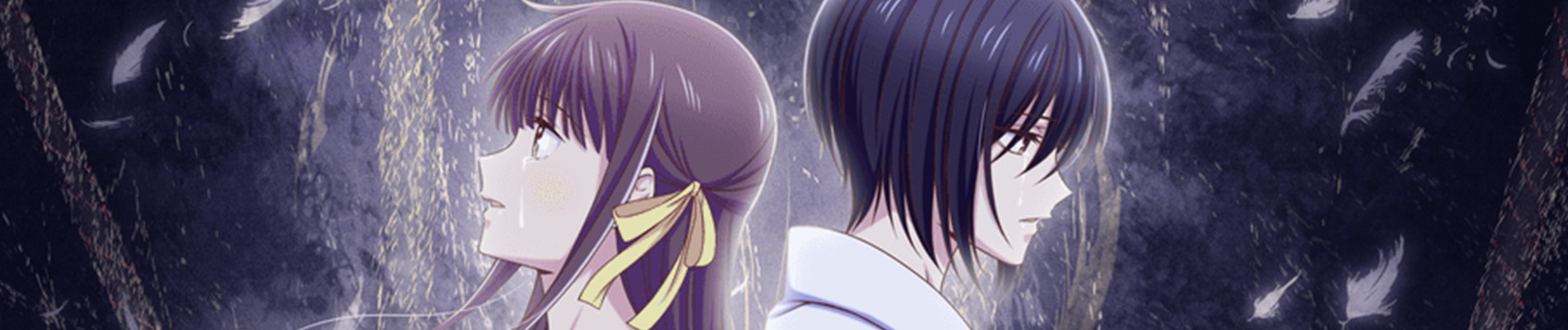
That’s the atmosphere—not melancholy, not despair, but tenderness under pressure. It’s the feeling of watching someone try to rebuild a house while still living inside its cracked walls. Every laugh lands with the soft thud of relief; every tear falls without fanfare, like rain on dry earth. There’s no grand villain, no apocalyptic countdown—just time slipping through fingers already raw from holding on too long. You don’t watch Fruits Basket The Final Season—you breathe alongside it, learning how grief folds into love, how duty disguises devotion, how healing isn’t linear but recursive, like footsteps retracing themselves across worn floorboards. It makes you think about the ethics of care: What do we owe those we love when their pain is woven into our own identity? What does “freedom” even mean when your body, memory, and relationships have all been shaped by the same invisible chain?
Which is why Jade Empire™: Special Edition lands with such startling resonance. Its description names Emotional Narrative, Mythology & Folklore, and Romance & Shoujo—not as marketing tags, but as structural truths. Like Tohru navigating the Soma curse’s ancient, inherited logic, the player walks a world where philosophy is combat, where choosing the Open Palm or Closed Fist reshapes not just story outcomes but moral muscle memory. A player review notes the need to manually copy “steam.dll” to launch—a small, real-world friction mirroring Tohru’s own quiet labor: the unseen effort behind every act of emotional maintenance. Both ask you to move within a system older than you, where love and loyalty aren’t abstract ideals but daily choices made in kitchens, training yards, and moonlit gardens.
Then there’s Rise of the Argonauts, whose description centers on Jason’s vow to restore his murdered fiancé—a grief so total it reorients an entire kingdom. The anime doesn’t traffic in resurrection, but it does orbit that same desperate, almost sacred refusal to let loss be final. When Tohru hides her fear of the cure’s cost—not for herself, but for Kyo’s right to choose his own future—it echoes Jason’s dark, single-minded drive: both are acts of love so fierce they risk becoming self-erasure. A player review calls it “ancient history done right”—and yes, the Sohma curse feels like myth made flesh: not flashy gods on Olympus, but foxes and cats and dragons trapped in human skin, bound by shame older than memory. Their tragedy isn’t epic—it’s domestic, whispered over miso soup, buried in the rustle of school uniforms.
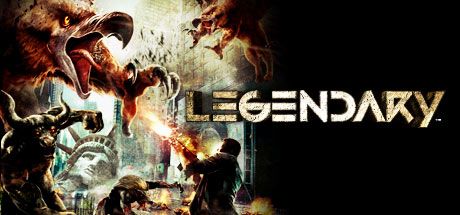
And though Legendary scores lower (66), its description nails something vital: “All creatures of ancient myth, legend and lore are real—they’ve just been sealed away… waiting.” That image—the sealing, the containment, the slow, inevitable leak of the past into the present—is pure Sohma DNA. The curse isn’t broken by force, but by witnessing, by naming, by sitting with someone until their body stops fighting its own shape. One player praises its “incredible” animations—yet admits “jank” lingers. That’s the texture of Fruits Basket The Final Season, too: imperfect, handmade, emotionally unpolished in the best way—like a letter written in haste, ink smudged at the edges where the writer paused, heart full.
This pairing isn’t for people who want catharsis served clean and sharp. It’s for the ones who keep tissues in their coat pockets just in case, who pause mid-game to stare out a rainy window, who understand that the most devastating moments aren’t the breakdowns—but the quiet seconds after, when someone hands you tea without asking, and you realize you’re finally allowed to be tired.
🎮14 Games That Match the Vibe

Match Dimensions Explained
❓Frequently Asked Questions
Why does Jade Empire™: Special Edition keep showing up in 'Games Like Fruits Basket The Final Season' lists?
Because it nails the same emotional, character-driven storytelling and shoujo-adjacent romance beats—like the quiet tension between your protagonist and characters such as Dawn Star or Silk Fox—that mirror Tohru’s gentle persistence and the Zodiac’s layered emotional reveals. Plus, its 'open palm/closed fist' moral system echoes the show’s themes of compassion vs. inherited fate, all wrapped in lush East Asian mythology.
Is there a visual novel adaptation of Fruits Basket The Final Season?
No—there’s no official visual novel adaptation of *The Final Season*, but *Jade Empire™: Special Edition* is often recommended as the closest interactive experience: its branching dialogue, intimate relationship-building (especially with romanceable characters like Dawn Star), and emphasis on healing trauma through connection hit that same heartfelt, slow-burn emotional resonance fans love.
How does Legendary compare to Rise of the Argonauts for mythology fans who loved Fruits Basket’s spirit world lore?
Rise of the Argonauts leans into grounded ancient Greek tragedy—Jason’s grief, political weight, and resurrection quest feel emotionally mature like *The Final Season*’s focus on loss and legacy. *Legendary*, meanwhile, goes full occult body horror with Pandora’s Box unleashing mythic monsters—less about tender character arcs, more about visceral spectacle, so it’s a looser match despite sharing 'Mythology & Folklore' as a dimension.
What’s the best game like Fruits Basket The Final Season if I want something soothing but still meaningful?
Go straight to *Jade Empire™: Special Edition*—its serene martial arts training sequences, poetic dialogue choices, and deeply empathetic character arcs (like the heartbreaking backstory of Master Li or the quiet devotion of Lotus) deliver that same warm, melancholy comfort. It’s not flashy, but its emotional narrative score (84) and 'Romance & Shoujo' dimension make it the most soothing yet substantial match on the list.