
Spirited Away
On the way to their new home, 10-year-old Chihiro Ogino's family stumbles upon a deserted theme park. Intrigued, the family investigates the park, though unbeknownst to them, it is secretly inhabited by spirits who sleep by day and appear at night. When Chihiro's mother and father eat food from a restaurant in the street, angry spirits turn them into pigs. Furthermore, a wide sea has appeared between the spirit world and the human one, trapping Chihiro, the sole human, in a land of spirits. Luckily for her though, a mysterious boy named Haku appears, claiming to know her from the past. Under his instructions, Chihiro secures a job in the bathhouse where Haku works. With only her courage and some new found friends to aid her, Chihiro embarks on a journey to turn her parents back to their original forms and return home.
📺Anime Details
📝Editorial Analysis
The first time Chihiro steps into the bathhouse’s steam-choked lobby — her sneakers squeaking on wet tile, the air thick with the scent of camphor and simmering herbs, a thousand unseen eyes blinking open in the rafters — you don’t just watch her shrink. You feel it: the vertigo of being too small, too human, too real in a place that breathes myth like oxygen.
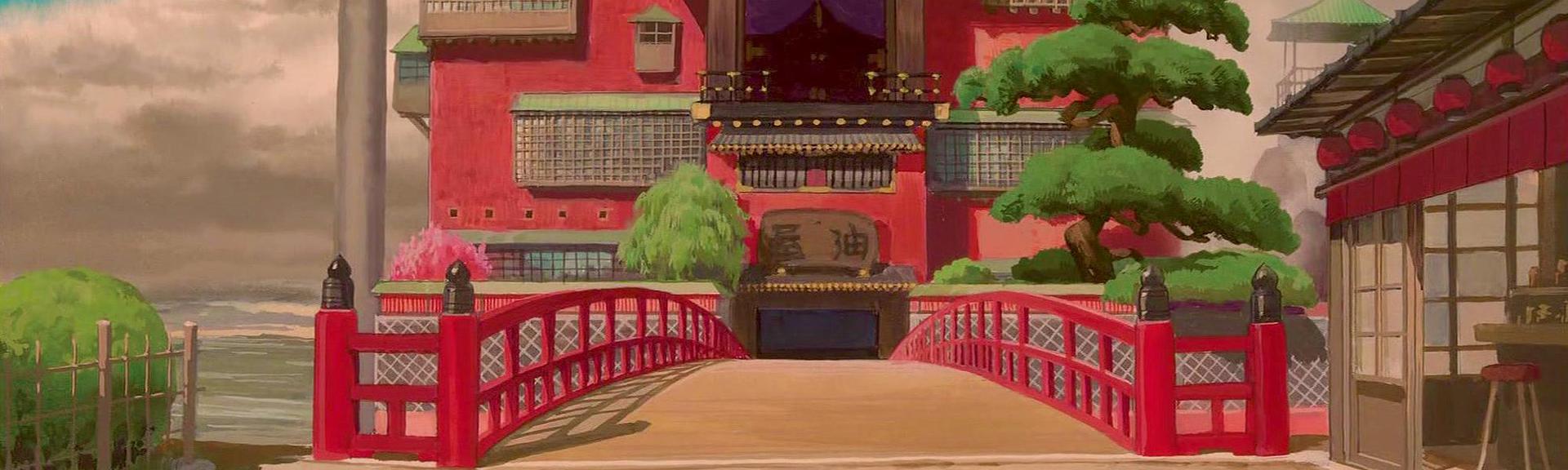
That’s the core sensation Spirited Away never lets go of — not the wonder, not the terror, but the weight of being seen by something ancient, indifferent, and deeply alive. It’s not urban fantasy as backdrop; it’s urban fantasy as atmosphere, as humidity clinging to your skin. The spirits aren’t costumes or monsters — they’re presences with routines, hierarchies, exhaustion, pride. Even the soot sprites scrubbing floors have a quiet dignity. This isn’t about defeating evil or unlocking powers. It’s about learning how to breathe inside a world that operates on logic older than language — where names are contracts, work is ritual, and forgetting yourself isn’t metaphorical. It makes you think about labor not as drudgery but as anchoring, about identity not as fixed but as negotiated, moment by trembling moment. You feel tender, exhausted, and strangely honored — like you’ve been allowed to witness something sacred, not because you earned it, but because you showed up, barefoot and bewildered.
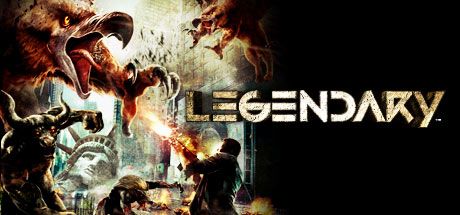
One game that pulses with that same quiet reverence for the old and unnameable is Legendary. Its description declares: “All creatures of ancient myth, legend and lore are real — they've just been sealed away for thousands of years inside Pandora's Box, waiting…” That “waiting” — not plotting, not scheming, just enduring, folded into time like origami — mirrors the spirits of the bathhouse: dormant until called, then irrevocably present. The player review notes the animations are “incredible… better than most games of the more modern era” — and that’s key. Like Miyazaki’s hand-drawn textures — the grain of wood in No-Face’s mask, the oily sheen on the River Spirit’s sludge — Legendary’s visual weight makes myth tactile. You don’t fight legends; you move through their residue, their scale pressing down, just as Chihiro does beneath the bathhouse’s vaulted ceilings.
Then there’s the body horror & occult tag — not gore, but the profound unease of flesh becoming unreliable. Chihiro’s parents turning into pigs isn’t shock for shock’s sake; it’s the visceral, humiliating collapse of human form under careless appetite — a curse that feels biological, inevitable. Legendary’s inclusion of that tag resonates because its creatures aren’t just monstrous; they unsettle the boundary. A god’s face melts into storm clouds. A titan’s skin cracks to reveal starlight. That’s the same shiver as watching Haku’s dragon form writhe in pain — not spectacle, but transformation as vulnerability, as exposure. The “jank” the player mentions? It’s almost fitting — the slight awkwardness, the imperfect physics, echoes Chihiro’s own stumbling gait through this world: beautiful, flawed, stubbornly alive in its imperfections.
And the mythology & folklore dimension? It’s not about reciting stories. It’s about treating myth as ecology. In Spirited Away, the Radish Spirit isn’t a gag — he’s a node in a vast, breathing system of respect, seasonality, and consequence. Legendary’s box doesn’t hold monsters; it holds relationships: between mortals and titans, between memory and stone, between hunger and holiness. Both refuse to reduce the sacred to plot points. They let it breathe, heavy and slow, in the spaces between actions.
This pairing isn’t for fans of fast-paced isekai power fantasies. It’s for the person who pauses mid-game to watch rain pool in a cracked pavement sprite’s bowl, who re-watches Chihiro’s silent walk across the bridge at dawn not for the plot, but for the way her shadow stretches thin and blue over water — for the ones who love the tremor before transformation, the hush before a name is spoken, the profound relief of earning a single, warm cup of tea in a world that owes you nothing. They’re drawn to stories where magic isn’t a tool, but a temperature — and where growing up means learning to hold that heat without burning.
🎮3 Games That Match the Vibe
Match Dimensions Explained
❓Frequently Asked Questions
Why is Legendary compared to Spirited Away despite being about Greek myths?
Because both lean hard into 'living folklore' — where spirits, gods, and monsters aren’t just enemies but characters with personality, rules, and emotional weight, like No-Face or the River Spirit. In Legendary, Deckard interacts with sealed beings like Medusa and Cerberus not as boss fights alone, but as tragic, ancient entities bound by mythic logic — much like how Chihiro navigates Yubaba’s bathhouse bureaucracy. The game’s eerie, melancholic tone and hand-crafted creature animations (reviewers call them 'better than most modern games') echo Miyazaki’s textured, breathing world.
Is there a Spirited Away video game adaptation?
No — there’s never been an official Spirited Away game, licensed or otherwise. Studio Ghibli has kept all interactive adaptations extremely limited (only Ni no Kuni and a few mobile spin-offs exist, none tied to Spirited Away). So when people search for 'games like Spirited Away,' they’re really seeking that same sense of wonder, quiet magic, and spirit-filled liminal spaces — which is why Legendary (with its Pandora’s Box full of sealed, sentient myth-beings) often tops those lists despite zero direct connection.
How does Legendary compare to Okami in terms of Spirited Away vibes?
Okami leans into Shinto reverence and painterly serenity, while Legendary taps into Spirited Away’s darker, more ambiguous folklore — think the soot sprites’ innocence vs. Legendary’s janky-but-uncanny Medusa, whose petrifying gaze feels less like a puzzle and more like a haunting consequence. Both use myth as emotional scaffolding, but Legendary’s PS3-era ‘jank’ and body-horror-tinged occult themes (like creatures warped by millennia in confinement) mirror the bathhouse’s unsettling undercurrents — not just beauty, but unease beneath the steam.
What’s the best game like Spirited Away if I want that quiet, melancholy awe of walking through a spirit world?
Legendary nails that specific hush — especially early on, when Deckard first opens Pandora’s Box and sees ancient beings stir in flickering light, their animations uncannily fluid despite the jank. It’s not flashy; it’s reverent, slow-burning, and steeped in the weight of forgotten stories — like watching the River Spirit emerge from the sludge, or wandering Yubaba’s fog-draped bridge. Reviewers even note how the creature designs feel 'alive with history,' not just threat — exactly the vibe you’re after.