
F.E.A.R. 2: Project Origin
Assume the role of Special Forces Sgt. Becket as your routine mission quickly turns into a fight for survival against the wrath of Alma Wade. As Alma's terrifying power surges out of control, your squad is forced to battle through an apocalyptic landscape in search of clues for how to destroy her!
🎮Game Details
💬What Players Say
"Not as great as it could've been due to missing features, cheap scares and some mediocre writing, Project Origin is still a solid sequel thanks to good graphics and frenetic gameplay."
"Didn't like it as much as Fear 1. Was sort of buggy and the gameplay definitely didn't click the same as the first did. Story was alright and I liked the expanded lore on Alma and what the scientists were doing outside of Project Origin (Kindergarten segment)...."
"this game gets gliches so bad it litterly unplayable"
📝Editorial Analysis
The flicker of a hallway light—gone—then the wet, ragged breath behind your ear, though no one’s there. Sgt. Becket’s helmet HUD glitches mid-sprint, static blooming like mold across the screen just as Alma’s whisper cuts through comms—not in words, but in pressure, a subsonic thrum that makes your molars ache. That’s not jump-scare timing; it’s the game’s nervous system exposed: a world where physics fray, perception lies, and every corridor breathes wrong. The official description nails it: “Alma’s terrifying power surges out of control,” turning routine into apocalyptic scramble—and player reviews confirm it lands physically: “frenetic gameplay,” “glitches so bad it literally unplayable,” “cheap scares” that somehow stick because they’re unmoored, not scripted. This isn’t horror as spectacle. It’s horror as system failure—of tech, of squad cohesion, of your own senses.
What makes F.E.A.R. 2: Project Origin’s atmosphere singular isn’t its military shooter bones or even its psychic antagonist—it’s how relentlessly it weaponizes instability. The graphics are “good,” yes, but what lingers is how they betray you: textures tear at edges, shadows pool too deep and move when you’re not looking, and Alma doesn’t just appear—she bleeds into reality, warping light, sound, and geometry until the line between hallucination and threat dissolves. You don’t feel hunted by a ghost; you feel infected by her presence. The writing may be “alright,” the lore “expanded,” but it’s the sensory erosion that grips you—the dread that your next blink might show a wall where a door was, or your squadmate’s face stretched, silent, into something that wasn’t there a second ago. It’s not about surviving Alma. It’s about surviving your own perception long enough to remember what’s real.
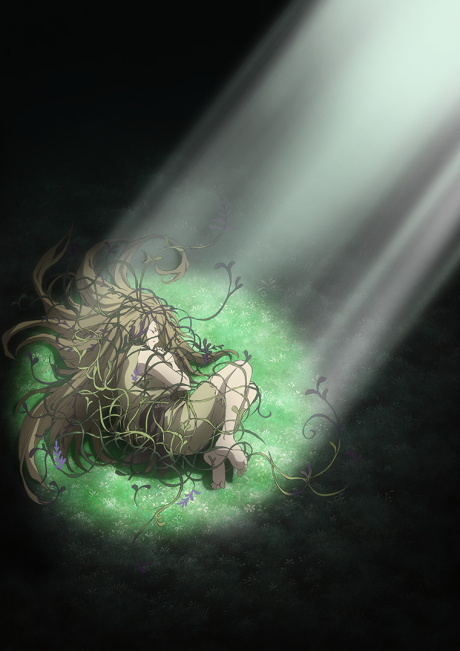
That exact fraying—where the occult isn’t ritualized, but organic, invasive, and bodily—is why Made in Abyss: Dawn of the Deep Soul resonates so fiercely. Its descent isn’t metaphorical: bodies unmake themselves in the Abyss’s layers—flesh blooms with alien growths, memories leak like fluid, and the deeper you go, the less “human” becomes a stable category. Like Becket’s HUD glitching, Riko’s notebook pages blur with ink that seems to pulse, and the Abyss doesn’t whisper—it reconfigures. Same dimensions: Body Horror & Occult, Adult & Dark Seinen. Not spooky ghosts—physics collapsing under ontological weight.
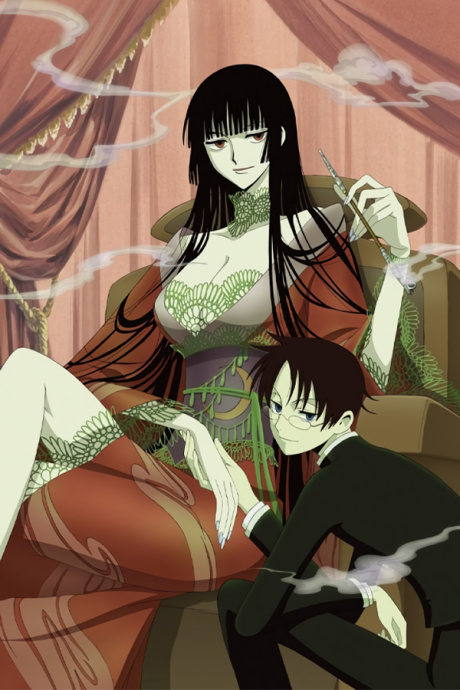
Then there’s xxxHOLiC◆Kei, where Yuuko’s shop doesn’t just sell wishes—it digests them. Clients don’t get clean deals; they get transformations that warp bone, memory, and time in ways that feel visceral, not symbolic. A man’s shadow detaches and walks on its own. A woman’s hair grows into thorned vines that whisper her regrets. The horror isn’t in the spectacle—it’s in the quiet wrongness of your own reflection holding eye contact a beat too long. Just like Becket’s squad disintegrating not from bullets, but from Alma’s presence bending their nerves into knots. Same dimensions. Same itch beneath the skin.
And Mob Psycho 100 III—not the bright chaos of early seasons, but the season where Mob’s power stops being a tool and becomes a tectonic force, cracking sidewalks, warping faces, turning allies into screaming statues mid-sentence. The body horror isn’t grotesque for shock; it’s inevitable, the physical cost of psychic overflow. When Mob’s emotion surges, reality stutters—light bends, gravity dips, and people fold at unnatural angles. That’s the same feeling as Alma’s surge: not magic, but consequence made flesh, where power doesn’t obey rules—it rewrites them, violently and without apology.
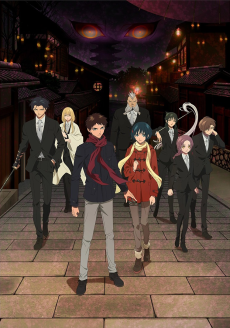
This pairing isn’t for fans of tidy lore dumps or polished set-pieces. It’s for the person who watches a character’s hand tremble—not from fear, but because their nerves are misfiring, and feels that in their own fingertips. For the player who restarts after a crash not out of frustration, but because the glitch itself felt like Alma breathing down their neck. For the viewer who pauses Malevolent Spirits: Mononogatari not to analyze the yokai, but to stare at how the ink bleeds into the character’s skin—how the horror lives in the texture of decay, not the monster’s shape. These aren’t stories about fighting evil. They’re about standing in a room where the floorboards hum with something older than language—and realizing, cold and quiet, that your body already knows the tune.
→40 Anime That Match the Vibe
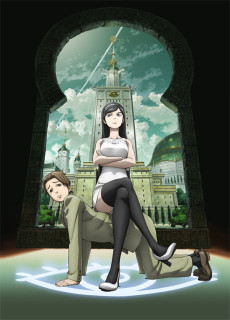
The body as a site of transformation and terror — both push physical boundaries.

The body as a site of transformation and terror — both push physical boundaries.

The body as a site of transformation and terror — both push physical boundaries.

The body as a site of transformation and terror — both push physical boundaries.

The body as a site of transformation and terror — both push physical boundaries.

The body as a site of transformation and terror — both push physical boundaries.
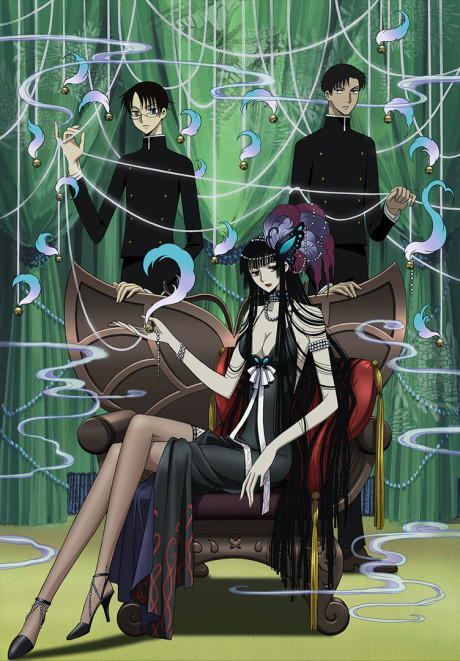
Alma Wade’s distorted, bleeding emergence from mirrors in *F.E.A.R. 2* echoes Watanuki’s visceral unraveling in *xxxHOLiC◆Kei*, where his own reflection fractures under the weight of repressed truths. Unlike most psychological horror pairings, this resonance lives in shared *Body Horror & Occult* textures—Alma’s flesh-warped telekinesis and Watanuki’s involuntary physical manifestations of spiritual debt. It’s startling how both use bodily violation not for shock, but as literalized metaphors for trauma that refuses containment.

The body as a site of transformation and terror — both push physical boundaries.

The body as a site of transformation and terror — both push physical boundaries.
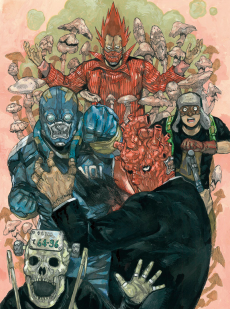
The body as a site of transformation and terror — both push physical boundaries.












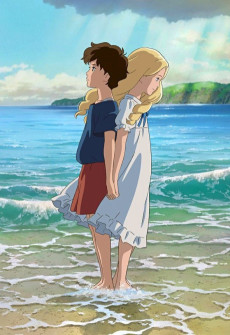
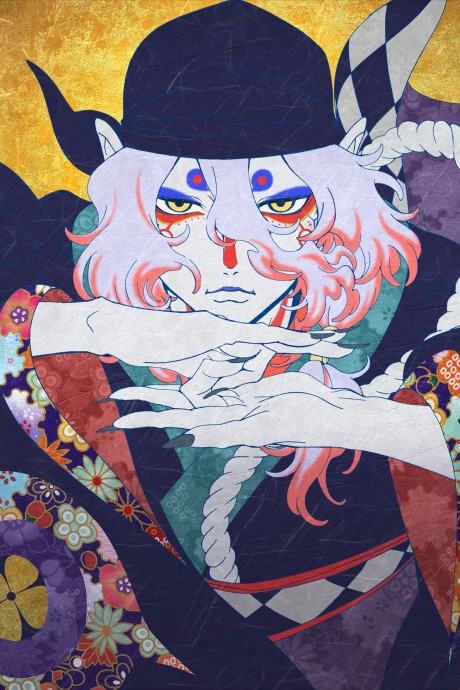
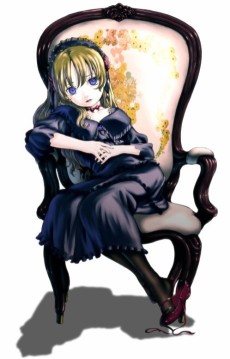




Match Dimensions Explained
❓Frequently Asked Questions
Why is Made in Abyss: Dawn of the Deep Soul listed as similar to F.E.A.R. 2?
Because both hit that same visceral dread when the body and environment betray you—like when Riko’s arm mutates in the Abyss’s 4th Layer, or when Alma warps reality around Becket in Project Origin’s collapsing subway tunnels. The shared 'Body Horror & Occult' dimension isn’t just gore; it’s the slow, inescapable violation of physical safety by forces you can’t reason with.
Is there an anime adaptation of F.E.A.R. 2: Project Origin?
Nope—there’s never been an official anime adaptation of *any* F.E.A.R. game, including Project Origin. The closest you’ll get are anime like *xxxHOLiC◆Kei*, where Yuko’s occult shop deals in irreversible bargains and unseen consequences—mirroring how Alma’s presence in Project Origin corrupts space and sanity without warning or mercy.
How does Mob Psycho 100 III compare to F.E.A.R. 2 in terms of horror tone?
Mob Psycho 100 III leans into psychological rupture and body horror during Dimple’s possession arcs or Mob’s psychic meltdown scenes—very much like Becket’s disorientation during Alma’s psychic intrusions in Project Origin’s ‘Red Forest’ sequence. Both use sudden visual distortion and loss of bodily control to make horror feel personal, not just loud or jump-scarey.
What’s the best anime like F.E.A.R. 2 for that claustrophobic, paranoid vibe?
Go straight to *Malevolent Spirits: Mononogatari*—especially the ‘Kagami’ arc where spirits invade cramped apartments and warp perception in real time, just like Alma’s hallucinations trapping Becket in looping hallways or flickering lab corridors. It nails the same adult, dark-seinen tension where every shadow feels surveilled and no corridor is truly safe.