
Mieruko-chan
She can see dead people…she just chooses to ignore them. That’s Miko’s plan, anyway, but it doesn’t seem to be working for her in this love letter to the horror genre that will send shivers down your spine—and occasionally tickle your funny bone.
(Source: Funimation)
📺Anime Details
📝Editorial Analysis
The fluorescent hum of the school hallway. Miko’s fingers tightening around her pencil as a translucent girl with hollowed eye sockets drifts past her shoulder—mouth stretched too wide, jaw unhinged like a snake’s—and Miko keeps walking, eyes fixed on the floor, breath held, pretending the air isn’t thick with the static of something unwanted and unignorable. She doesn’t scream. She doesn’t freeze. She just doesn’t look. That split-second tension—not of terror, but of suppressed recognition—is where Mieruko-chan lives: in the quiet, grinding weight of coexistence with the uncanny, where horror isn’t jump-scares but the exhaustion of choosing not to see.
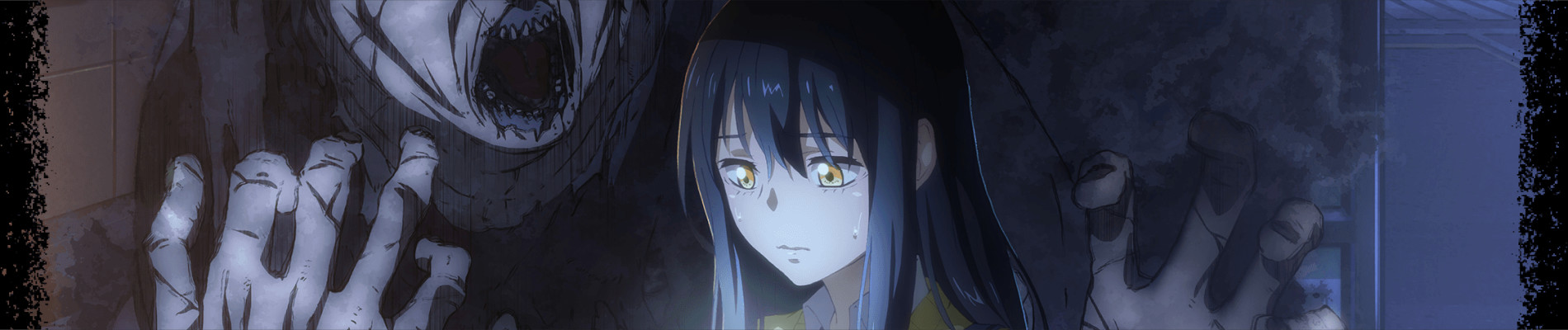
This isn’t dread as spectacle. It’s dread as routine. The anime’s atmosphere is claustrophobic intimacy: ghosts aren’t distant legends—they’re slumped in classroom corners, peeling wallpaper off their own faces, whispering half-heard grievances into vending machines. The comedy isn’t relief from horror—it’s the nervous tic of survival, the absurdity of bowing politely to a decaying shrine maiden while your best friend obliviously eats melon soda beside her. You feel tired, not terrified. You think about how much emotional labor it takes to maintain normalcy when reality is fraying at the seams—and how deeply human it is to just… keep going, even when your peripheral vision is full of teeth.
That same exhausted, hyper-aware tension pulses through DOOM + DOOM II, not in its firefights, but in its architecture of violation. The description calls it “definitive, newly enhanced”—but what lingers is the 1993 original’s raw, unrelenting logic: hellish geometry, bodies reconfigured by demonic forces, corridors that breathe wrong. The player review nails it—“This game was the reason my dad and I built our first computer.” That’s not nostalgia for graphics; it’s memory of physical investment in a world that refuses to let you rest. Like Miko forcing herself to smile through lunch while a weeping spirit dissolves into moths behind the teacher’s desk, DOOM demands constant vigilance—not because you’ll die if you blink, but because the environment itself is unstable, alive with wrongness, and you must move through it, not away from it.
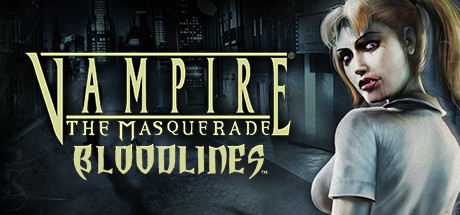
Then there’s Vampire: The Masquerade - Bloodlines, where the description promises “a new type of RPG experience—one that blends all the core elements of a traditional RPG with the graphical richness, immediacy and brutal combat…” But the player review cuts deeper: “BUY IT ON GOG; if you want to use the steam version you need to download the unofficial patch…” That fragmented, patched-together existence mirrors Mieruko-chan’s central metaphor: identity as maintenance. Miko isn’t fighting ghosts—she’s performing humanity despite them. Bloodlines’ vampires don’t just thirst; they degrade, their bodies betraying them mid-conversation, their humanity slipping like wet chalk. The game’s brokenness isn’t a flaw—it’s textual. Like Miko’s forced cheerfulness cracking when she catches her reflection blinking back with too many eyes, Bloodlines makes you feel the strain of holding yourself together in a world that rewards neither honesty nor rest.
And BioShock™, described as “a shooter unlike any you’ve ever played, loaded with weapons and tactics never seen,” lands its resonance not in plasmids or Big Daddies—but in the player review’s awe: “one of the most revolutionary games ever! genuinely changed the gaming world…” That revolution wasn’t just tech—it was moral vertigo. Rapture’s beauty curdles because its ideals rot from within, just as Miko’s school looks ordinary until you notice the ceiling tiles breathe, or the janitor’s mop bucket holds something that winks. Both ask: What does it cost to pretend the foundations are sound? To keep smiling while the walls whisper?
These pairings belong to the person who watches Mieruko-chan and feels less like they’re being spooked—and more like they’re being seen: the late-night reader who underlines passages about social exhaustion, the player who pauses mid-level to stare at a glitched texture and wonders if it’s supposed to be watching back, the one who finds comfort not in safety, but in stories where the horror is shared, witnessed, and—crucially—endured with dark, defiant humor. Not the thrill-seeker. The survivor. The one who knows the scariest thing isn’t what’s behind you—it’s how calmly you keep walking forward, pencil still gripped tight, pretending the air isn’t humming with ghosts.
🎮26 Games That Match the Vibe






Match Dimensions Explained
❓Frequently Asked Questions
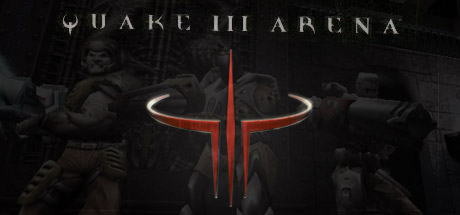
Why does Quake III Arena show up in 'Games Like Mieruko-chan' when it’s just arena shooters?
It matches on the Body Horror & Occult dimension — think of the alien overseers warping fighters’ bodies for sport, and those grotesque power-up transformations that twist limbs and melt flesh mid-combat. Fans of Mieruko-chan’s unsettling duality (cute surface / monstrous truth) often latch onto how Quake III’s arena isn’t just a battleground — it’s a sacrificial stage run by ancient, incomprehensible entities, much like the occult hierarchy haunting Miko.
Is there a Vampire: The Masquerade - Bloodlines adaptation with Mieruko-chan’s tone?
No official crossover exists — but Bloodlines *is* the closest tonal cousin: you play as a newly embraced vampire navigating a decaying L.A. where cults, elder horrors, and personal transformation blur reality — just like Miko seeing spirits no one else acknowledges. The game even has scenes where your character’s reflection glitches or mutates in mirrors, echoing Mieruko-chan’s core visual motif of hidden, visceral dread beneath normalcy.
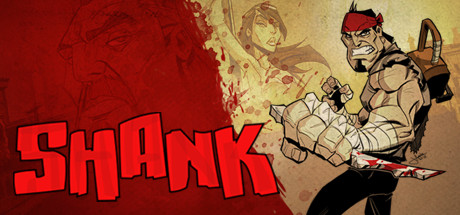
Shank vs. BioShock: which is better for that Mieruko-chan vibe of stylish horror hiding behind everyday life?
Go with BioShock — Shank’s grindhouse energy is all surface-level gore and hyper-stylized action, while BioShock nails the slow-burn unease of Rapture’s decay: walking past a smiling, hollow-eyed Little Sister while her distorted lullaby plays, or watching splicers warp in real time as their bodies betray them — that’s the same dissonance Miko feels when forcing a smile while staring at a grinning, fleshy entity behind her friend’s shoulder.
What’s the best ‘Mieruko-chan-like’ game if I want something deeply atmospheric with psychological body horror and zero combat focus?
None of these are truly combat-free — but BioShock comes closest in execution: its Plasmids literally rewrite your body (like turning hands into weapons or freezing time), and the constant physical degradation — coughing blood, trembling limbs, hallucinations — mirrors Miko’s exhaustion from suppressing trauma. Even the audio logs whisper about self-mutilation and identity collapse, hitting that same ‘quiet horror beneath polite society’ nerve as Mieruko-chan’s school-life facade.