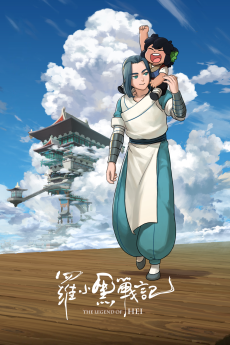
The Legend of Hei
📺Anime Details
📝Editorial Analysis
Rain slicks the neon-lit alley like oil on black glass. Hei stands still—not moving, not breathing—not even blinking—as a stray cat brushes past his ankle, its fur damp and trembling. The city hums overhead: distant sirens, muffled bass from a rooftop bar, the low thrum of something older beneath the pavement. He doesn’t reach down. He doesn’t speak. But when the cat pauses, looks back—green eyes catching the flicker of a broken streetlamp—he gives the barest nod. A silent pact. Not heroism. Not duty. Just recognition: two beings who move between worlds, neither fully belonging to either.
That quiet ache—the one that lives in the space between a leap and a landing, between a whisper and a roar—is what The Legend of Hei breathes into every frame. It’s not about magic as spectacle, but magic as weight: the exhaustion in Hei’s shoulders after shifting form, the way his ears twitch not for cuteness but because sensation floods him too much, too fast. This is urban fantasy that feels lived-in, not stylized—concrete cracks where spirit energy bleeds through, convenience store lights casting long, lonely shadows on rain-slicked asphalt. You don’t just watch it—you hold your breath waiting for the next tremor in the air, the next flicker of something unseen brushing against the edge of sight. It makes you think about thresholds: doorways, rooftops, alley mouths—not as places, but as states. What does it cost to cross? Who waits on the other side? Who waits in between?
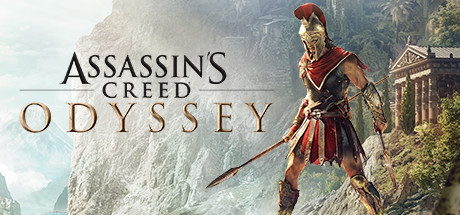
Assassin's Creed® Odyssey shares that same melancholic exploration—not just wandering ancient Greece, but feeling the hush before a storm breaks over Mount Taygetos, or the hollow echo inside an abandoned temple where myth hasn’t faded, it’s just gone quiet. Like Hei walking past a shrine tucked behind a noodle shop, the game’s world doesn’t shout its wonder; it lets you lean in close, listen, and feel the weight of time pressing down—not as history, but as presence. That emotional narrative isn’t built on cutscenes alone, but in the way mist clings to olive groves at dawn, how a single lyre note lingers after the music stops. Same texture. Same stillness before meaning.
Then there’s Tank Universal, whose player review cuts straight to the bone: “Play cool tank game with dad when you were 6… Grew up dad passes away…” That’s the emotional DNA right there—not the tanks, not Tron’s glow, but the melancholic exploration of memory itself. Like Hei tracing the outline of an old ward symbol etched faintly on a subway wall—no one else sees it, no one else remembers—it’s about navigating spaces saturated with personal history, where every corridor holds a ghost of warmth, every engine rumble echoes a voice now gone. The game’s AI allies aren’t just units—they’re echoes. Just like Hei’s found family isn’t just companionship; it’s the fragile, fierce act of choosing who stays in your orbit when the ground keeps shifting.
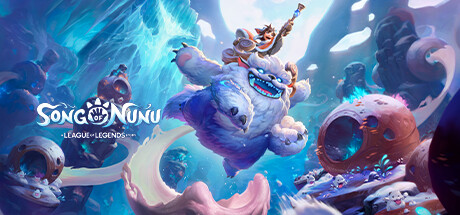
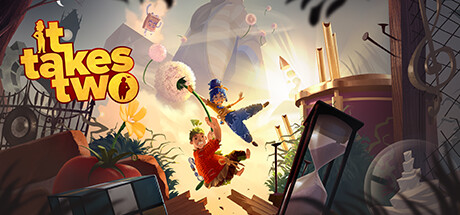
Song of Nunu: A League of Legends Story and It Takes Two both carry that same tender gravity—emotional narrative rooted not in grand stakes, but in small hands holding tight. Nunu’s journey across snowbound mountains mirrors Hei’s traversal of city rooftops: both are quests measured in shared silence, in breath fogging cold air, in the way a child’s trust becomes armor thicker than any spell. And It Takes Two—with its split-screen intimacy—echoes the anime’s core tension: connection as both vulnerability and lifeline. When Hei catches a falling friend mid-air, it’s not just physics—it’s choosing to break your own fall to keep someone else whole. That’s the heartbeat beneath every jump, every shift, every unspoken glance.
This pairing isn’t for fans of “cool powers” or “epic battles.” It’s for the ones who pause mid-scroll to watch pigeons scatter from a wet sidewalk, who remember the exact smell of their childhood basement carpet, who’ve ever held a dead phone and waited just one more second for a ring. It’s for people who understand that found family isn’t a trope—it’s the quiet decision to leave the door cracked open, even when you’re tired, even when you’re scared, even when you’re half-cat and half-ghost and wholly unsure if you belong anywhere at all.
🎮16 Games That Match the Vibe



Match Dimensions Explained
❓Frequently Asked Questions
Why does The Legend of Hei feel so much like Assassin's Creed Odyssey even though one's about Chinese folklore and the other's ancient Greece?
Both lean hard into 'Mythology & Folklore' as a core dimension—Hei’s spirit world and Odyssey’s Greek gods create that same awe-struck, layered worldbuilding. You’ll recognize the melancholic pacing too: wandering misty mountain paths in Hei mirrors climbing Mount Taygetos at dusk in Odyssey, both with quiet emotional weight and environmental storytelling that makes ruins feel alive with memory.
Is there an anime adaptation of Tank Universal like there is for The Legend of Hei?
No—Tank Universal has no anime adaptation (or any official adaptation at all). It’s purely a sci-fi tank FPS inspired by Tron and Battlezone, with zero ties to anime or Eastern fantasy. Unlike Hei—which spun off from a webtoon into a beloved animated series—Tank Universal stays grounded in its neon-drenched, AI-allied tank combat world, complete with those nostalgic ‘cool sound effects’ fans remember from childhood play sessions.
How does Song of Nunu compare to Hogwarts Legacy if I love The Legend of Hei’s gentle, bittersweet tone?
They’re near-identical on the 'Melancholic Exploration' and 'Emotional Narrative' dimensions—both score 70 and prioritize quiet, heartfelt journeys over combat flash. Nunu’s snowy Yordle wilderness feels like Hei’s rain-slicked alleys: soft light, meaningful silences, and characters like Nunu and Willump carrying real emotional weight, just like Hei and Ao. Hogwarts Legacy leans more into wonder than sorrow, but Nunu hits that same tender, reflective vibe.
What’s the best game like The Legend of Hei if I want something soothing but emotionally rich—not action-heavy?
Go straight to Song of Nunu: A League of Legends Story. It’s got zero combat pressure, just peaceful traversal across snow-draped landscapes, heartfelt dialogue with Willump, and that same gentle melancholy you love in Hei’s quieter moments—like when Hei watches rain fall over the city before a storm breaks. It Takes Two also fits, but Nunu’s solo, meditative pace matches Hei’s vibe more precisely.