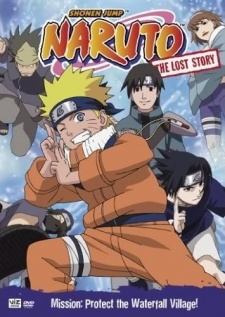
Naruto: The Lost Story - Mission: Protect the Waterfall Village
📺Anime Details
📝Editorial Analysis
Rain slicks the cobblestones of the Waterfall Village like oil on black glass—cold, reflective, treacherous. A child’s bare foot presses down, then lifts, leaving no print. He doesn’t run. He waits, breath shallow, fingers curled just so around a kunai—not drawn, not thrown, but held like a vow. Behind him, smoke curls from a collapsed watchtower; ahead, three figures in mismatched armor move with the stiff precision of men who’ve killed before breakfast and forgotten how to blink. This isn’t a battle cry. It’s silence thick enough to taste—dread, resolve, loneliness—all coiled in one small frame.
That silence is the soul of Naruto: The Lost Story - Mission: Protect the Waterfall Village. Not the flashy chakra bursts or even the orphan’s grit—it’s the weight of being seen as disposable, yet choosing to stand anyway. The village isn’t grand; it’s damp wood, cracked clay walls, laundry lines strung between bullet-pocked eaves. The “assassins” aren’t mythic villains—they’re tired, pragmatic, wearing ill-fitting uniforms and speaking in clipped, bureaucratic tones about quotas and clearance levels. You feel the exhaustion of justice when it’s not heroic, just necessary. You think about how loyalty isn’t declared—it’s proven in the split second you shield someone smaller than you, knowing no one’s watching, and no one will thank you.
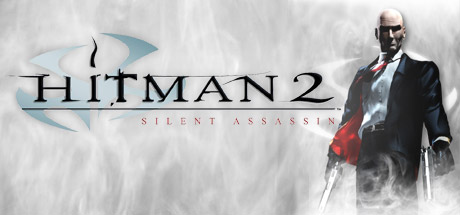
That same frayed, morally textured tension lives in Hitman 2: Silent Assassin, where the retired assassin returns not for glory, but because betrayal cuts deeper than any blade. His world is neon-noir lit—not glamorous, but grimy, saturated with moral static. Like the Waterfall Village’s rain-slicked alleys, its environments whisper decay beneath surface polish. A player review notes it makes you “forget what reality is”—not through fantasy, but through immersive disorientation: the dissonance between clean suits and dirty deeds, between loyalty and contract, mirrors the anime’s core conflict—how do you hold onto humanity when your tools are violence and your pay is survival?
Then there’s Second Sight, where psychic power isn’t spectacle—it’s burden. Its protagonist navigates corridors that shift like memory, rooms that breathe with suppressed trauma. The description calls it a “psychological thriller narrative” fused with stealth and shooter action—and yes, the mechanics are “wonky,” as one reviewer admits—but that imperfection deepens the resonance. Like the child ninja in the waterfall village, the player doesn’t master control; they endure it. Every telekinetic lift, every mind-read, feels precarious, vulnerable—just as every kunai held, every lie told to protect the weak, feels like balancing on wet stone. Both ask: What does it cost to see clearly in a world that rewards blindness?
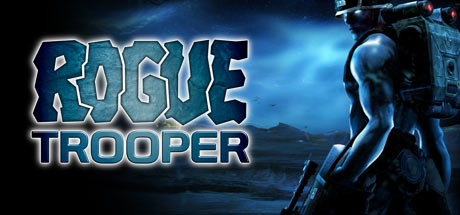
Even Rogue Trooper, set on a poisoned planet where war has no end and no winners, shares this DNA—not in setting, but in stance. Its lone warrior isn’t mythic; he’s “a man who kno[ws]” only survival, duty, and the names of his fallen comrades etched into his gear. The player review calls it a “good hidden gem… no bullshiet”—and that’s the key. No fanfare. No exposition dumps. Just terrain, consequence, and quiet persistence. Like the Waterfall Village arc, it trusts you to feel the stakes before spelling them out—the weight of an orphan’s promise, the exhaustion of being the last one left standing.
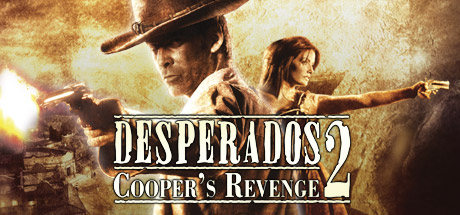
This pairing isn’t for fans of power fantasies or tidy victories. It’s for the ones who linger on the pause screen after a mission fails—not to restart, but to stare at the rain on the windowpane of their own room, wondering if they’d have made the same choice. It’s for players who replay Desperados 2’s train-yard ambush not for perfection, but to hear again how the wind carries a child’s voice from off-screen—just once—before the gunfire drowns it out. It’s for viewers who remember that foot on the wet stone, and understand: courage isn’t loud. It’s the sound of breath held too long, then let go—not in relief, but in readiness.
🎮33 Games That Match the Vibe





Match Dimensions Explained
❓Frequently Asked Questions
Why does Naruto: The Lost Story - Mission: Protect the Waterfall Village feel so different from Desperados 2: Cooper's Revenge despite both being tactical?
Because Desperados 2 is all about Wild West precision—coordinating Doc, Kate, and Hector to flank guards, use environmental traps, and chain takedowns in tight 3D towns—while Naruto’s mission leans into anime-style reactive combat and chakra-based abilities. The Waterfall Village mission has you dodging water jutsu mid-air and timing Rasengan bursts, whereas Desperados 2 demands pause-and-plan tactics like luring a sheriff into a dynamite barrel *before* triggering it.
Is there a Hitman game that captures the same lone-wolf, morally gray vibe as Naruto’s Waterfall Village protector role?
Hitman: Codename 47 nails that exact energy—you’re a stoic, genetically engineered assassin with a code, not a killer for hire. Like Naruto guarding the village out of duty (not orders), Codename 47 takes contracts but refuses targets who break his personal ethics, like betraying allies. And just like Naruto’s stealthy rooftop patrols over Waterfall Village, Codename 47 uses disguises and silent fiber wire takedowns to vanish without a trace.
How accurate is Second Sight’s psychic stealth compared to Naruto’s chakra sensing in the Waterfall Village mission?
Pretty spot-on in vibe—Second Sight’s protagonist John Vattic uses telekinesis and remote viewing to scan rooms, disable cameras, and possess enemies *before* they spot you, mirroring how Naruto senses chakra signatures through walls and predicts enemy movement during ambushes near the waterfall cliffs. Both games reward patience: you’ll freeze time or slow perception to line up a perfect ‘Shadow Clone + Rasengan’ combo—or a well-timed ‘Mind Control + melee finisher’ in Second Sight.
What’s the best game like Naruto: The Lost Story if I want that gritty, rain-slicked neon-noir atmosphere but with tactical depth?
Rogue Trooper—it’s got that oppressive, poisoned-planet noir: flickering holograms, corrupted Nort tech, and your bio-chipped squadmates bantering over static as you flank through ruined cities under acid rain. Just like Naruto navigating mist-shrouded paths and hidden caves in Waterfall Village, Rogue Trooper forces you to use cover, sound cues, and terrain elevation to outmaneuver enemies—no flashy jutsu, just grit, gear, and grim resolve.