Painkiller Overdose
The critically-acclaimed and award-winning FPS franchise is back! Packed with tons of fast-paced, adrenaline-fueled single player and multiplayer action, Painkiller Overdose brings with it 6 innovative new demonic weapons, mind-bending physics, lightning-player maps, over 40 demented and sickly-twisted monsters from Hell and gigantic end...
🎮Game Details
💬What Players Say
"This is the only game of Painkiller series which I have in my library. I was never a fan of this type of FPS and the only games of this genre I played were Doom and Doom Eternal. But I still decided to try Painkiller Overdose in 2026 because I remember Painkiller games from 2000s and I even saw their DVDs back then...."
"Painkiller: Overdose is a standalone expansion developed by Mindware Studios and published by Prime Matter, built for players who miss the intensity and simplicity of classic first-person shooters. Rather than chasing modern cinematic storytelling or tactical combat systems, it embraces an older philosophy centered around movement, overwhelming firepower, and nonstop action. Originally evolving from a fan-made concept before becoming an official release, the game carries an unusual legacy within the Painkiller franchise while staying faithful to what made the series memorable in the first place...."
📝Editorial Analysis
The air smells like burnt ozone and wet rust. You’re sprinting across a crumbling cathedral floor, boots skidding on shattered stained glass—then the ceiling peels upward like rotten skin, revealing not sky but a pulsing, veined throat of black muscle. A demon’s jaw unhinges behind you—not with a roar, but a wet, hydraulic shuck, and your shotgun kicks hard into your shoulder as you spin and fire. There’s no reload animation. No cover system. Just physics that bend—a corpse flips end-over-end, limbs snapping at impossible angles, then detonates in a spray of iridescent bile. This isn’t horror as dread. It’s horror as velocity. As stated in the official description: “mind-bending physics,” “lightning-player maps,” “over 40 demented and sickly-twisted” enemies—and yes, six new demonic weapons that don’t just kill, they unmake. One player admits they’d never liked FPS games—only Doom and Doom Eternal—yet kept Painkiller: Overdose in their library. Another calls it “a standalone expansion… built for players who miss the intensity and simplicity of classic first-person shooters.” That word—intensity—isn’t hyperbole. It’s physiological. Your pulse spikes before the trigger pull.
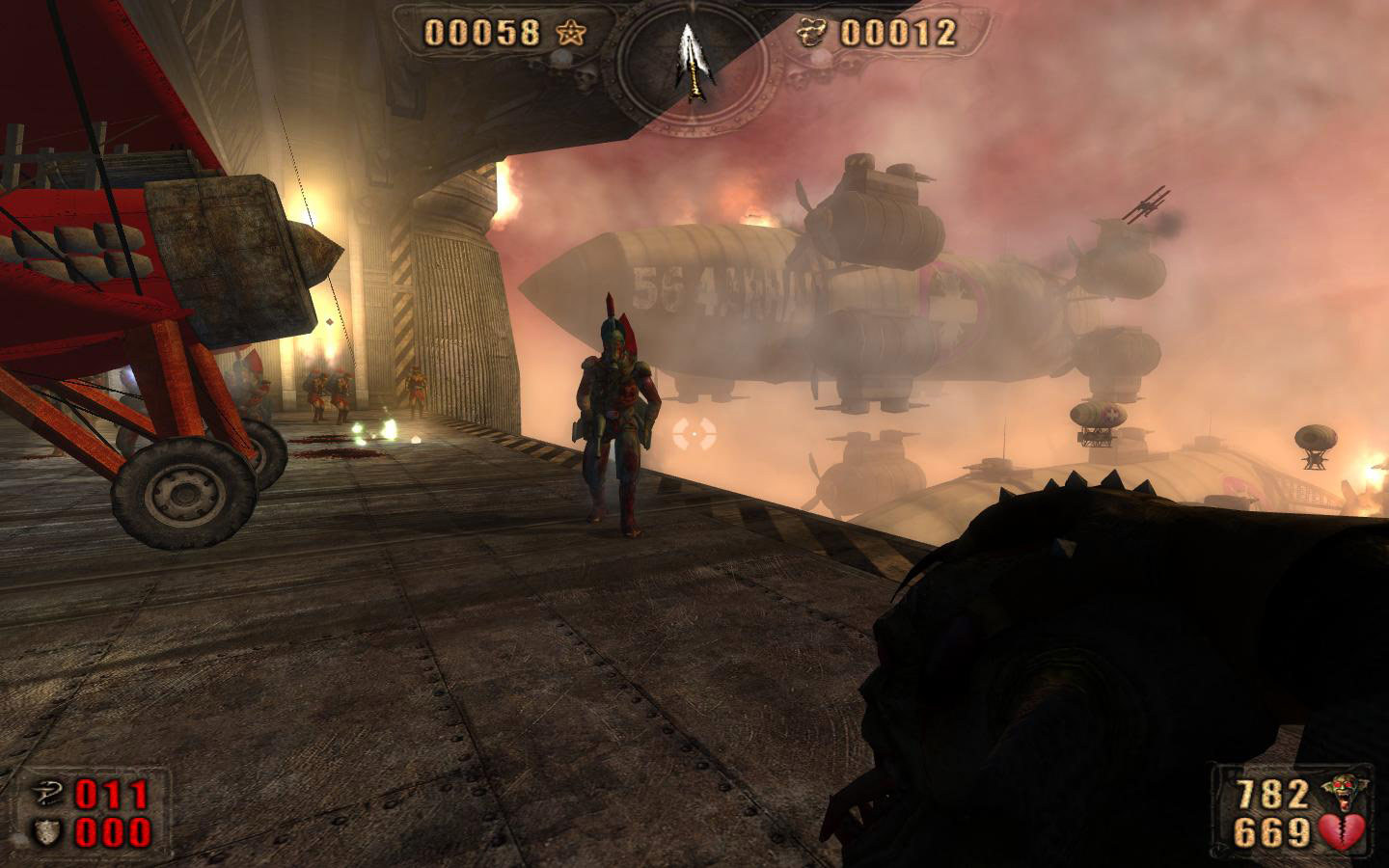
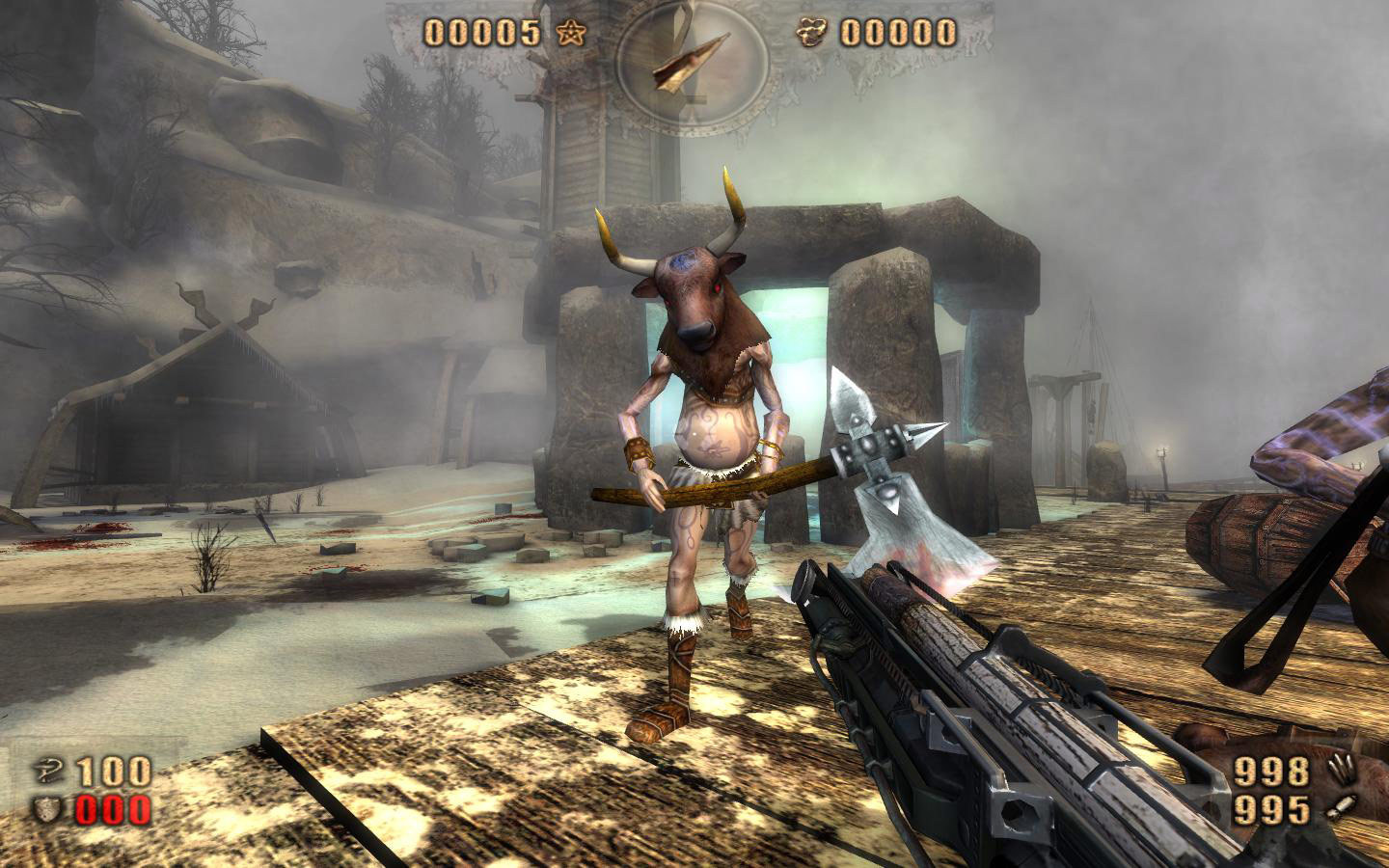
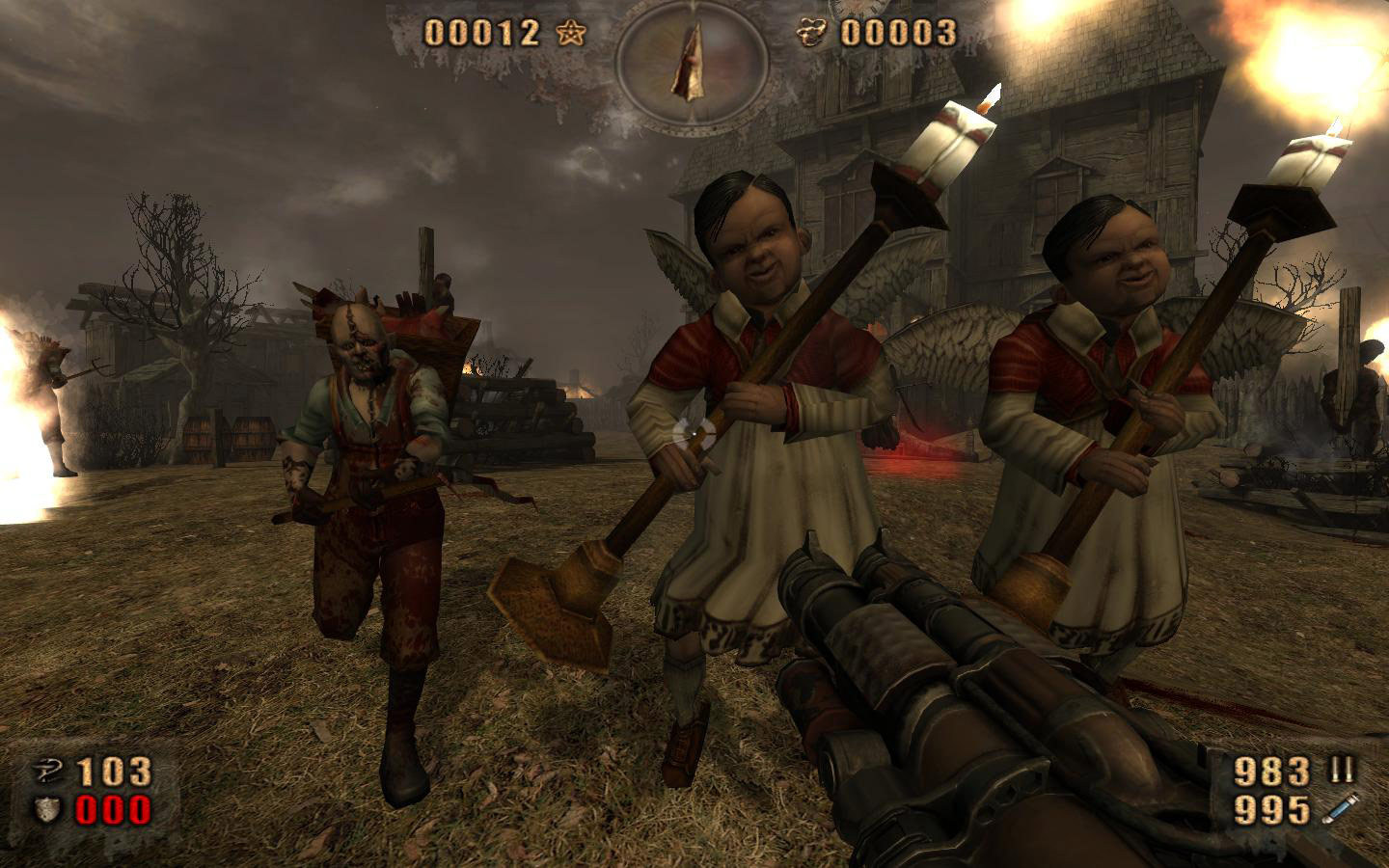
What makes Painkiller: Overdose vibrate with such singular energy isn’t its speed alone, but how it weaponizes dissonance. The game doesn’t ask you to survive hell—it asks you to navigate its anatomy. Every corridor is a ribcage. Every boss arena, a stomach lining slick with mucus and static. The “demented and sickly-twisted” isn’t decorative; it’s structural. You don’t fight demons—you dismember theological architecture. And because the physics bend, bodies don’t just die—they reconfigure: torsos invert, spines coil like springs, flesh tears with the elasticity of overcooked tendon. It’s not gore for shock. It’s body horror as grammar. The feeling isn’t fear—it’s vertigo, the gut-lurch of realizing your own skeleton could fold sideways if the rules shifted just so. It’s adult, yes—but not in dialogue or themes. In consequence. In the way every shot echoes like a bone fracturing inside your skull.
That same vertigo lives in Made in Abyss: Dawn of the Deep Soul, where the Abyss isn’t a place—it’s a living wound in reality. Its layers don’t descend; they degenerate. Flesh merges with geology. Organs bloom from cave walls. The Body Horror & Occult dimension isn’t metaphor here—it’s topography. Like Painkiller: Overdose, it treats biology as unstable code: limbs elongate, faces split open to reveal older, hungrier faces beneath—not for jump scares, but because continuity itself is fragile. Then there’s xxxHOLiC, where spirits don’t haunt houses—they replace them. A hallway stretches too long, doors open into lungs, mirrors exhale breath that smells like formaldehyde and incense. The Occult isn’t ritualized; it’s ambient, leaking through floorboards and eyelids alike. Both share Overdose’s refusal to separate the spiritual from the visceral—the sacred and the sickly-twisted are synonyms. And Mob Psycho 100 II—yes, the one with the bright colors—reveals its kinship in the moment Mob’s psychic pressure liquefies concrete, warping streetlights into screaming mouths, his own hair unspooling like parasitic thread. The Body Horror isn’t grotesque; it’s proliferative, ecstatic, unstoppable—just like Overdose’s physics, where a single grenade blast sends three demons cartwheeling into a fourth, their bodies fusing mid-air into a shrieking, six-armed knot before detonating.
This pairing isn’t for fans of “dark anime” or “retro shooters.” It’s for the person who feels relief when a story abandons psychological realism—not because it’s escapist, but because realism feels like a cage. It’s for the player who reloads not to conserve ammo, but to feel the weight of the gun’s recoil sync with their heartbeat. For the viewer who watches Riko descend into the Abyss not for answers, but to witness gravity itself become sentient and hungry. These aren’t stories about fighting monsters. They’re about recognizing the monster as syntax—the way a demon’s jaw unhinging, a cave wall breathing, or a boy’s hair turning to writhing roots all obey the same law: reality is soft. And when it’s soft, the most radical act isn’t courage or love or even survival—it’s keeping your footing while the floor becomes flesh. That’s why the player who only owns Painkiller: Overdose, the one who never liked FPS games until this—that person gets it. They don’t need lore dumps or moral ambiguity. They need the world to twitch, just once, under their heel.
→24 Anime That Match the Vibe

The body as a site of transformation and terror — both push physical boundaries.

The body as a site of transformation and terror — both push physical boundaries.
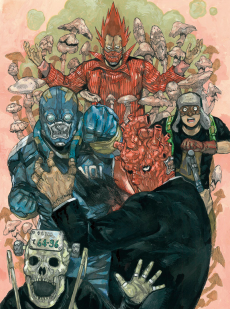
The body as a site of transformation and terror — both push physical boundaries.
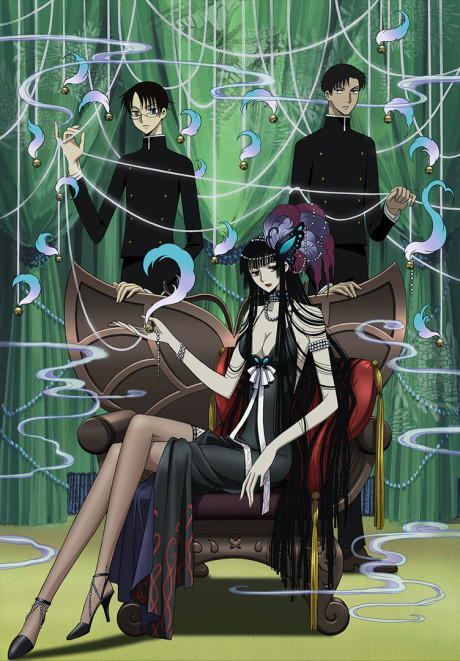
Watanuki’s trembling hands—stitched with spectral thread after a botched wish—mirror the grotesque limb-reassembly sequences in *Painkiller Overdose*’s necrotic boss arenas. Unlike most horror hybrids, both weaponize **Body Horror & Occult** not for shock alone, but as visceral metaphors for trauma’s physical inscription: Kei’s fragmented memories literally tear his skin, while Overdose’s disintegrating enemies reassemble into worse configurations. That mutual refusal to separate psychological rupture from anatomical violation makes their darkness feel disturbingly coherent—not atmospheric coincidence, but structural kinship.

Kageyama’s explosive psychic meltdown in the Season 2 climax—where his repressed trauma ruptures reality into grotesque, fleshy distortions—mirrors Painkiller Overdose’s visceral body horror: limbs twist into biomechanical weapons, and enemies dissolve into screaming viscera. Unlike most action media that sanitize power, both weaponize psychological rupture as aesthetic fuel—trauma literally *materializes* as occult anatomy. That shared embrace of 🖤 Adult & Dark Seinen makes their synergy startling: not just shock, but a coherent, cathartic grammar of inner collapse made flesh.
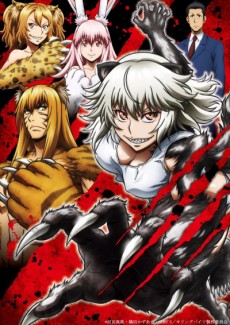
The body as a site of transformation and terror — both push physical boundaries.
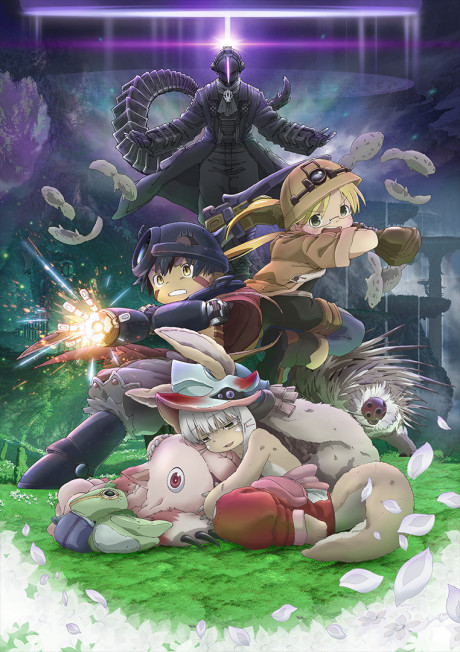
The body as a site of transformation and terror — both push physical boundaries.

The body as a site of transformation and terror — both push physical boundaries.
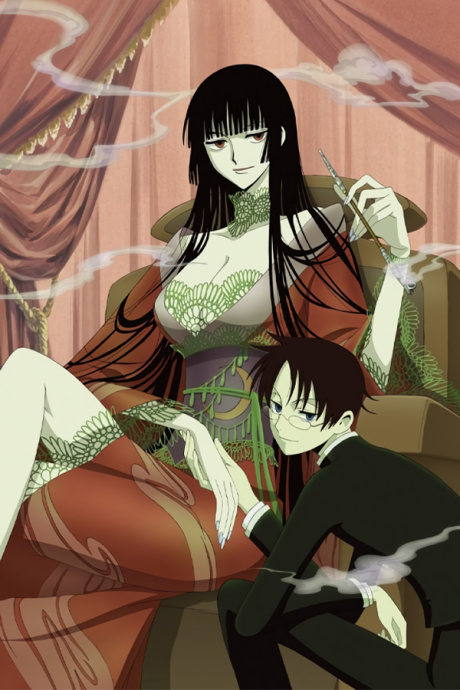
Watanuki’s recurring dismemberment hallucinations—fingers peeling back like wet paper, eyes liquefying—mirror Painkiller Overdose’s grotesque enemy designs where flesh stitches itself mid-combat. Unlike most horror-tinged action games, Overdose leans into psychological unraveling *alongside* visceral body horror, much like xxxHOLiC’s Season 2 “Kei” arc, where Watanuki’s bargain with Yuko fractures his perception of self and reality. This shared commitment to **Body Horror & Occult** as emotional language—not just spectacle—makes their resonance startlingly coherent.
A gutted tsukumogami’s porcelain face splitting open mid-scream mirrors Painkiller Overdose’s grotesque enemy designs—both weaponize body horror to visualize spiritual corruption. Where Kunato’s rage curdles into violent exorcism, the game’s protagonist tears through occult abominations with visceral, physics-defying brutality. This dark seinen synergy—rooted in ritualized violence against sentient decay—makes their shared aesthetic feel less like coincidence and more like catharsis forged in the same black iron.






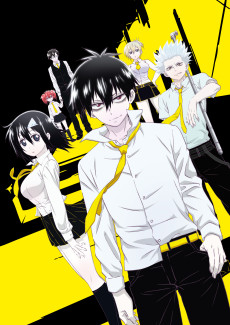
Match Dimensions Explained
❓Frequently Asked Questions
Why is Made in Abyss: Dawn of the Deep Soul recommended for Painkiller Overdose fans?
Because both dive headfirst into grotesque, escalating body horror—like Riko’s descent into the Abyss mirroring Painkiller’s visceral disintegration effects—and share that same oppressive, occult-tinged atmosphere where ancient forces warp flesh and physics. The scene where Reg’s arm mutates during the Collapse of the Abyss? That’s the anime equivalent of getting hit by Painkiller’s Hellfire Cannon and watching your enemy melt into screaming geometry.
Is there an anime adaptation of Painkiller Overdose?
Nope—Painkiller Overdose has never been adapted into an anime. But if you’re craving that same vibe, xxxHOLiC◆Kei nails it: Yuko’s shop deals in cursed contracts and reality-bending consequences, just like Overdose’s demonic weapons warp space and shatter bodies on impact—especially in the 'Mirror Maze' level where reflections bleed into real-world violence.
How does Mob Psycho 100 II compare to Painkiller Overdose in terms of tone and chaos?
They’re shockingly aligned: Mob’s psychic explosions (like Mob’s final burst against Dimple) mirror Overdose’s screen-filling particle chaos, and both use over-the-top body horror—not gore for shock, but as a visual language for power breaking human limits. When Mob’s hair erupts into a sentient storm or Katsuo’s body unravels mid-fight? That’s the same unhinged, physics-defying energy as Overdose’s ‘Soul Ripper’ tearing enemies apart mid-air.
What’s the best anime like Painkiller Overdose if I want relentless, darkly surreal action with occult dread?
Malevolent Spirits: Mononogatari—it’s got the closest blend: exorcists battling eldritch entities in rain-slicked, decaying shrines while their own bodies contort under spiritual strain (think Shiro’s possession sequences), all wrapped in the same adult-oriented, occult-heavy tension as Overdose’s ‘Cathedral of Screams’ map—where every corridor pulses with wrongness and physics glitches feel intentional, not broken.