
Half-Life 2
Reawakened from stasis in the occupied metropolis of City 17, Gordon Freeman is joined by Alyx Vance as he leads a desperate human resistance. Experience the landmark first-person shooter packed with immersive world-building, boundary-pushing physics, and exhilarating combat.
🎮Game Details
💬What Players Say
"---{ Graphics }--- ☐ You forget what reality is ☑ Beautiful ☐ Good ☐ Decent ☐ Bad ☐ Don‘t look too long at it ☐ MS-DOS ---{ Gameplay }--- ☑ Very good ☐ Good ☐ It's just gameplay ☐ Mehh ☐ Watch paint dry instead ☐ Just don't ---{ Audio }--- ☐ Eargasm ☑ Very good ☐ Good ☐ Not too bad ☐ Bad ☐ I'm now deaf ---{ Audience }--- ☑ Kids ☑ Teens ☑ Adults ☐ Grandma ---{ PC Requirements }--- ☐ Check if you can run paint ☑ Potato ☐ Decent ☐ Fast ☐ Rich boi ☐ Ask NASA if they have a spare computer ---{ Game Size }--- ☐ Floppy Disk ☐ Old Fashioned ☑ Workable ☐ Big ☐ Will eat 15% of your 1TB hard drive ☐ You will want an entire hard drive to hold it ☐ You will need to invest in a black hole to hold all the data ---{ Difficulty }--- ☐ Just press 'W' ☐ Easy ☐ Easy to learn / Hard to master ☐ Significant brain usage ☑ Difficult ☐ Dark Souls ---{ Grind }--- ☑ Nothing to grind ☐ Only if u care about leaderboards/ranks ☐ Isn't necessary to progress ☐ Average grind level ☐ Too much grind ☐ You'll need a second life for grinding ---{ Story }--- ☐ No Story ☐ Some lore ☐ Average ☐ Good ☐ Lovely ☑ It'll replace your life ---{ Game Time }--- ☐ Long enough for a cup of coffee ☐ Short ☐ Average ☑ Long ☐ To infinity and beyond ---{ Price }--- ☐ It's free! ☑ Worth the price ☐ If it's on sale ☐ If u have some spare money left ☐ Not recommended ☐ You could also just burn your money ---{ Bugs }--- ☑ Never heard of ☐ Minor bugs ☐ Can get annoying ☐ ARK: Survival Evolved ☐ The game itself is a big terrarium for bugs ---{ ? / 10 }--- ☐ 1 ☐ 2 ☐ 3 ☐ 4 ☐ 5 ☐ 6 ☐ 7 ☐ 8 ☐ 9 ☑ 10 ---{ Author }--- ☑ https://vojtastruhar...."
"Half-Life 2 is the most important shooter game ever made, next to the original Half-Life. It changed the industry forever, and still holds up as an incredible game. Overall, while graphically and story wise better than the original Half-Life, I'd say the gameplay outside of the use of the wonderful new physics engine takes a hit, with level design generally being more flawed and chapters being hit or miss in terms of fun...."
"One of the greatest games in history, truly, the best there ever is and if you play this in 2026 and think everything looks so good, remember it was released in 2004!"
📝Editorial Analysis
The first thing that hits you isn’t the crowbar—it’s the silence. Not empty silence, but a thick, pressurized hush: rain hissing on cracked pavement, distant sirens warping like broken lullabies, the low hum of Combine infrastructure vibrating up through your boots as Gordon Freeman stirs awake in that sterile, white stasis chamber. You’re not told much—just that City 17 is occupied, that time has folded strangely around you, and that reality itself feels unmoored. That’s the feeling the player reviews name without naming it: “You forget what reality is.” Not because it’s surreal, but because it’s too real—a world where physics obey weight and consequence, where every crumbling brick, every flickering neon sign, every wary glance from a civilian carries narrative gravity. It’s not dystopia as spectacle; it’s dystopia as weather—inescapable, ambient, breathing down your neck.

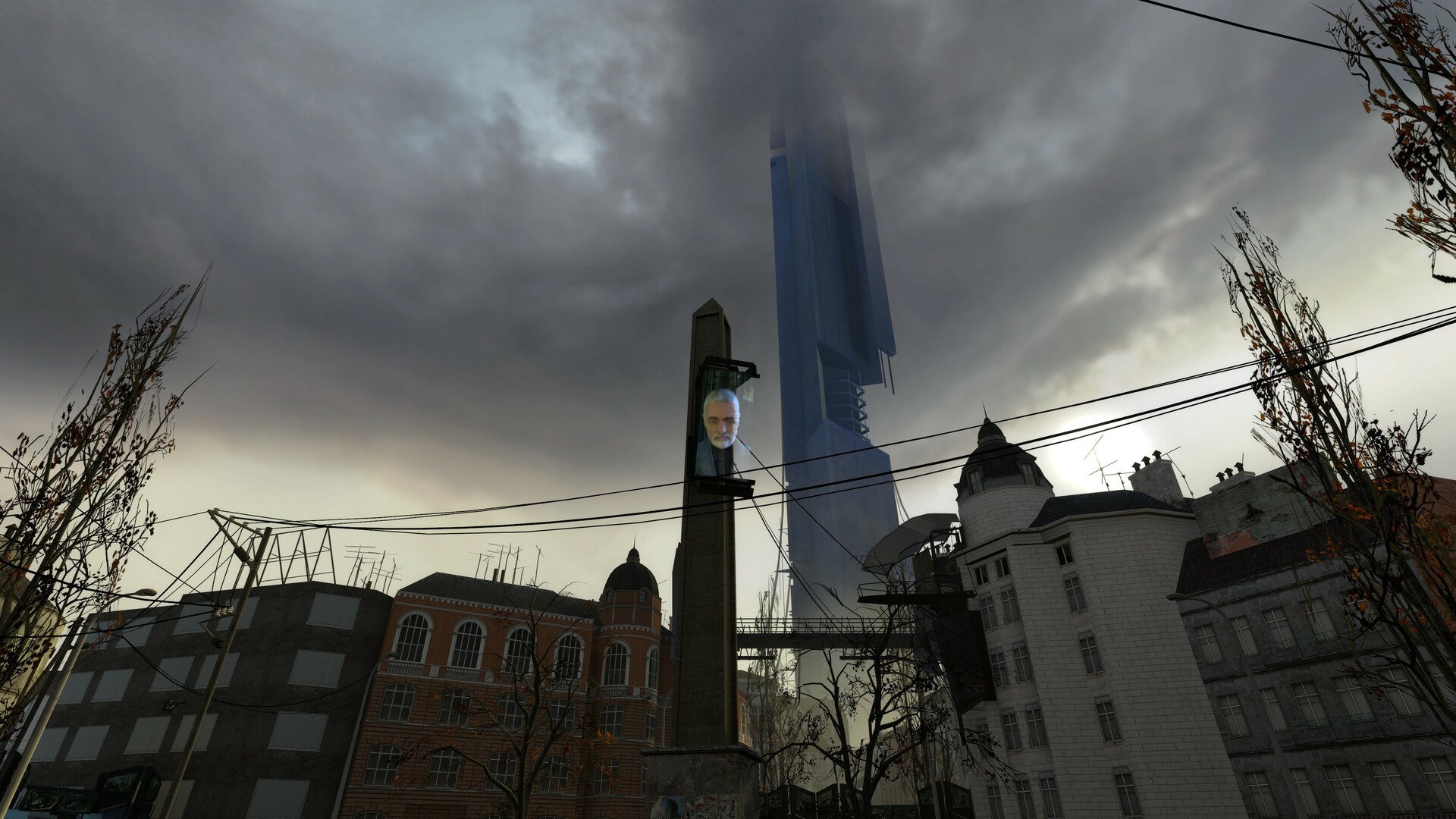
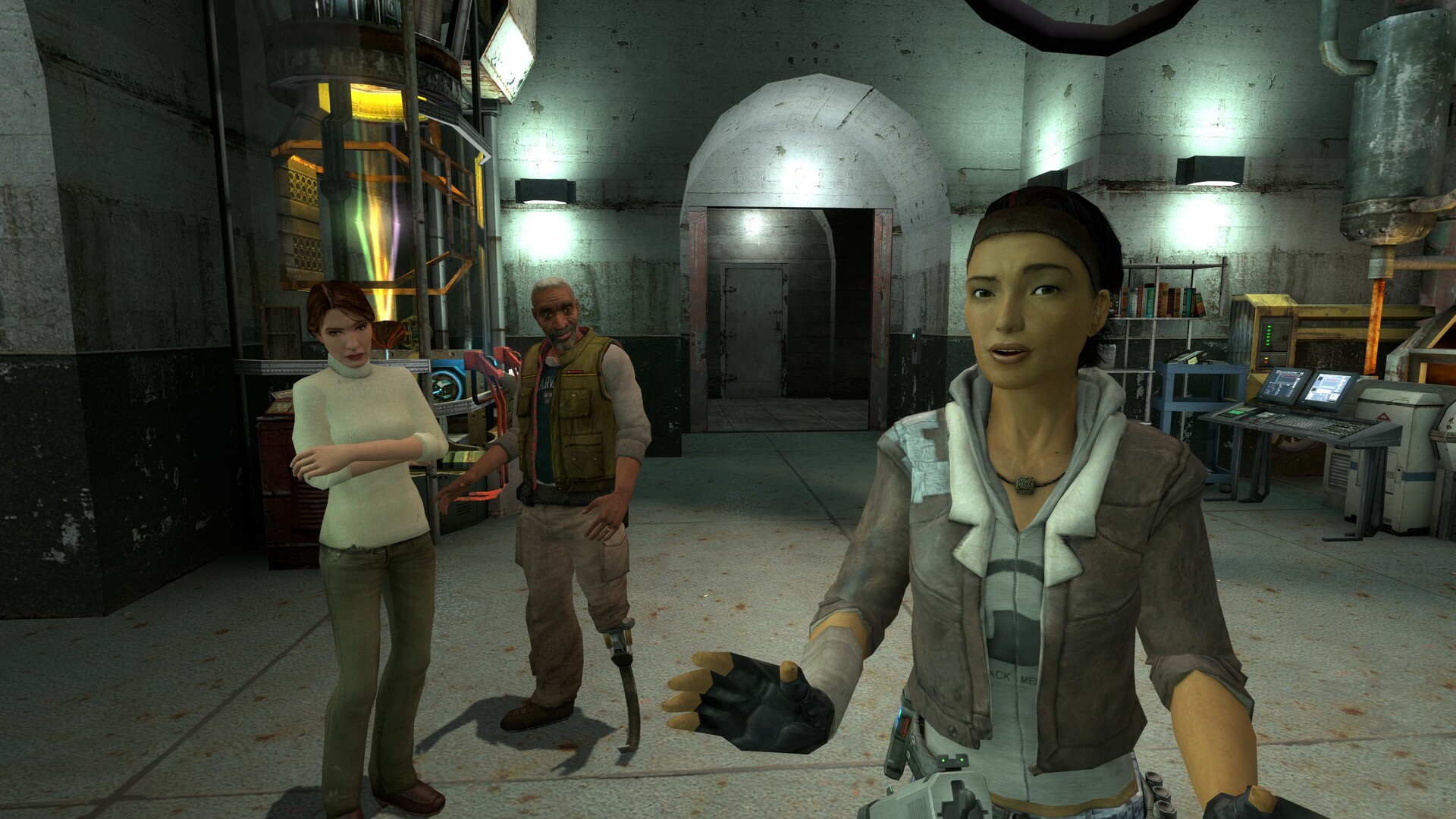
What makes Half-Life 2’s atmosphere singular isn’t its sci-fi premise or even its revolutionary physics engine—it’s how deeply it embeds dignity in resistance. Gordon never speaks, yet every interaction—with Alyx Vance’s quiet competence, with Barney’s weary loyalty, with the trembling hands of a mother hiding her child—builds a world where humanity persists not despite oppression, but through small, stubborn acts of care. The game doesn’t shout rebellion; it whispers it in the way Alyx adjusts her goggles before handing you a pulse rifle, in how the gravity gun turns rubble into both weapon and tool, in how the environment itself feels lived-in, not designed. That’s why players call it “very good” not just for mechanics, but for presence—why they stress it “CHANGED everything” and still holds up: it treats its world—and by extension, the player—as worthy of emotional investment, not just reaction.
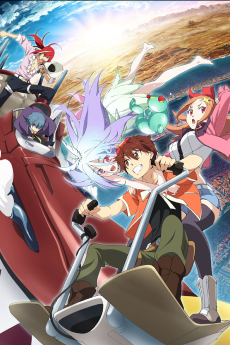
That same resonance lives in Redline, where the city of Roboworld isn’t just a backdrop but a character—gritty, kinetic, layered with decayed grandeur and defiant joy. Its Cyberpunk & Dystopia dimension mirrors City 17’s oppressive infrastructure, but more crucially, it shares that tactile density: the grease on bike chains, the heat shimmer off asphalt, the way light fractures across chrome and rust. Like Gordon navigating narrow alleys under surveillance drones, Redline’s racers carve paths through systems built to contain them—not with speeches, but with motion, with speed as syntax.
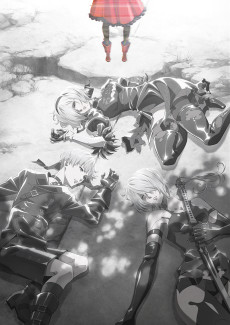
Then there’s GOOD NIGHT WORLD, which dives deeper into the Body Horror & Occult axis—but not as shock, rather as violation made visible. Its distorted urban sprawl, where architecture bleeds into flesh and logic curdles at the edges, echoes Half-Life 2’s quieter horrors: the headcrabs aren’t just monsters—they’re invasive rewrites, violating the body’s autonomy the same way the Combine rewrite language, memory, even time. Both works treat control not as brute force alone, but as erosion—of self, of coherence, of trust in the ground beneath your feet. The dread isn’t in jump scares, but in realizing the air tastes wrong, the shadows move just too slow, and no one will meet your eyes for long.
And Final Fantasy VII: Advent Children—yes, its Midgar is gleaming steel and falling rain, but look closer: the mako reactors hum with the same low-frequency dread as City 17’s citadel, the ruined Sector 5 church echoing Black Mesa’s abandoned labs. Its Sci-Fi & Space framing isn’t about stars—it’s about consequences returning. Like Gordon stepping out of stasis into a world he broke and didn’t know, Cloud walks through a city poisoned by choices he couldn’t see the weight of until it was too late. Both ache with regret made architectural, with beauty that refuses to look away from damage.
This pairing isn’t for fans of “cool powers” or “epic battles.” It’s for the person who pauses mid-gameplay to watch pigeons scatter from a Combine patrol’s shadow—not because it’s pretty, but because that moment feels true. It’s for the viewer who replays the elevator descent into City 17’s underground train station, not for plot, but for how the light fades, how the air cools, how Alyx’s voice drops half a tone—because she knows what’s waiting. It’s for those who recognize resilience not as victory, but as showing up, gear in hand, breath steady, in a world that has already decided you’re obsolete—and choosing, quietly, to keep the physics intact.
→78 Anime That Match the Vibe
Connected through 2 aesthetic dimensions.

City 17’s rain-slicked, decaying plazas—where gravity guns warp physics and Combine synths patrol crumbling Brutalist towers—pulse with the same frantic, analog-soul energy as Redline’s orbital racetrack, where JP’s crimson machine screams through asteroid fields under neon nebulae. Unlike most dystopias fixated on control, both weaponize chaos: Freeman’s resistance thrives in improvised mayhem; Redline’s universe treats lethal velocity as sacred ritual. This shared sci-fi & dystopia resonance feels electric—less about oppression’s weight, more about exhilarating, defiant motion within collapse.

Connected through 2 aesthetic dimensions.

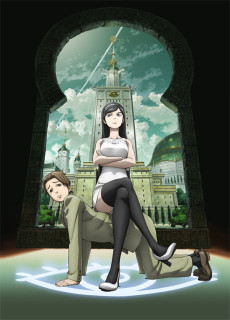
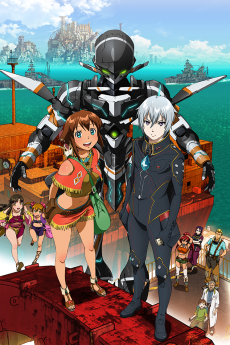
City 17’s rain-slicked, decaying architecture mirrors the fractured clockwork heavens of Kazane Hiyori’s domain—both worlds collapse under oppressive, technologically saturated dystopias. Where Gordon Freeman navigates Combine surveillance with grim pragmatism, Kazane’s tragic arc unfolds amid celestial gears and forbidden time manipulation, grounding sci-fi spectacle in intimate, bodily vulnerability. This resonance isn’t superficial: cyberpunk & dystopia here fuse systemic control with fragile human (and angeloid) agency, making their shared despair feel startlingly tender.

Connected through 2 aesthetic dimensions.
Connected through 2 aesthetic dimensions.

City 17’s rain-slicked, decaying architecture—crumbling concrete under Combine surveillance—mirrors Midgar’s skeletal ruins in *Advent Children*, where rusted plateaus and overgrown reactors embody post-apocalyptic melancholy. Unlike most sci-fi dystopias, both root their despair in ecological collapse: Geo-stigma poisons the land as the Combine drain Earth’s resources, turning survival into quiet, bodily resistance. This shared cyberpunk & dystopia texture—gritty, tactile, hauntingly human—makes their resonance startlingly intimate, not epic.

The body as a site of transformation and terror — both push physical boundaries.
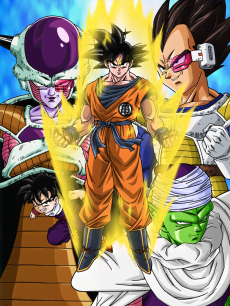
City 17’s crumbling, rain-slicked architecture—where gravity guns wrench rebar from ruined buildings—echoes the Kai version’s stark, streamlined fight choreography: no filler, just brutal physics-defying clashes against alien invaders. Unlike most shonen remasters, *DBZ Kai* trims exposition to amplify dystopian tension, mirroring *Half-Life 2*’s oppressive Combine occupation through environmental storytelling and silent dread. Their shared cyberpunk & dystopia dimension transforms resistance into visceral, grounded struggle—whether Alyx hacking a scanner or Goku straining against Frieza’s tyranny.
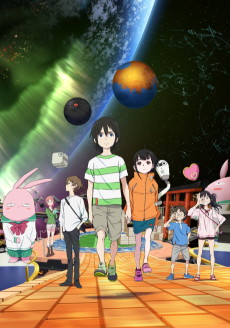
Connected through 2 aesthetic dimensions.




























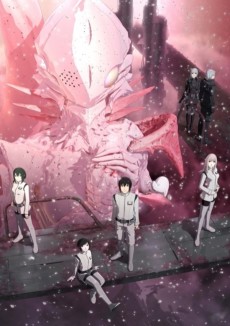
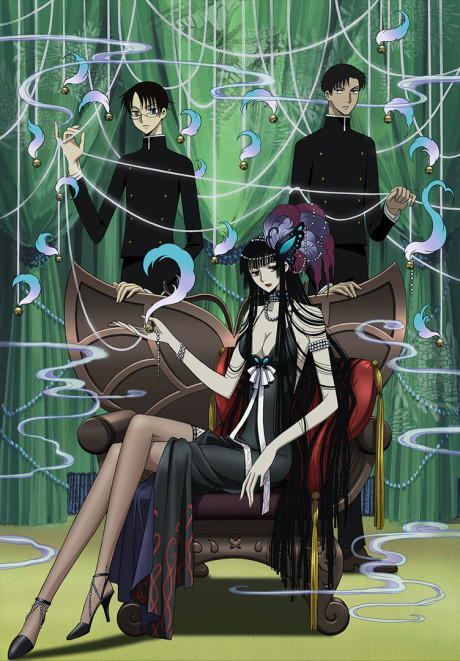





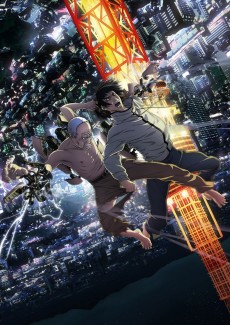






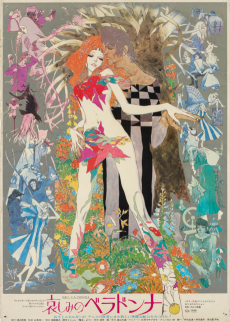








Match Dimensions Explained
❓Frequently Asked Questions
Why is Redline compared to Half-Life 2 when it’s a racing anime?
Redline nails Half-Life 2’s oppressive, lived-in dystopia—think City 17’s decaying infrastructure and authoritarian surveillance, but swapped for the rusted mega-city of Roboworld. The physics-driven chaos of its high-speed chases (like the gravity-defying canyon run) mirrors HL2’s landmark physics puzzles and environmental storytelling, especially how objects react realistically under stress—just like Gordon smashing crates with the gravity gun in Black Mesa East.
Is there an anime adaptation of Half-Life 2?
No official anime adaptation exists—Valve has never licensed one, and nothing’s in development. But if you’re craving that same vibe, GOOD NIGHT WORLD delivers the closest spiritual fit: its rain-slicked, neon-drenched Neo-Kyoto feels like City 17 after the Seven Hour War, with body horror mutations echoing the Combine’s grotesque transhuman experiments on humans.
How does Final Fantasy VII: Advent Children compare to Heaven’s Lost Property the Movie for Half-Life 2 fans?
Advent Children wins for grounded resistance energy—Cloud’s fight against Shinra’s corporate-military regime mirrors Gordon and Alyx’s scrappy human uprising, especially the Sector 5 slums vs. City 17’s ghettos. Heaven’s Lost Property leans into surreal clockwork fantasy; its Angeloid mechs are flashy, but lack HL2’s tactile weight—no gravity-gun physics or crowbar-swinging urgency like in the Nova Prospekt prison break.
What’s the best anime like Half-Life 2 if I want that tense, physics-driven, ‘stasis-to-struggle’ vibe?
Dorohedoro Season 2—it’s got the disorienting reawakening (Kuroo waking up amnesiac in the Hole), brutal environmental combat (smashing through concrete walls with brute force), and oppressive, layered world-building where every alley and lab feels physically consequential—just like HL2’s Citadel core destabilization sequence shaking the entire city. No anime replicates that specific mix of stasis shock, physics-based improvisation, and desperate hope better.