
Call of the Night
Wracked by insomnia and wanderlust, Kou Yamori is driven onto the moonlit streets every night in an aimless search for something he can’t seem to name. His nightly ritual is marked by purposeless introspection — until he meets Nazuna, who might just be a vampire! Kou’s new companion could offer him dark gifts and a vampire’s immortality. But there are conditions that must be met before Kou can sink his teeth into vampirism, and he’ll have to discover just how far he’s willing to go to satisfy his desires before he can heed the Call of the Night!
(Source: Sentai Filmworks)
📺Anime Details
📝Editorial Analysis
The first time Kou stands barefoot on cold pavement at 3:17 a.m., breath fogging in the sodium-orange haze, his fingers brushing the brick wall like he’s testing whether reality still holds—that’s the heartbeat of Call of the Night. Not a fight, not a confession, not even a kiss—just the quiet, trembling weight of wanting to mean something, without knowing what “something” looks or feels like yet.
This isn’t urban fantasy as spectacle. It’s urban fantasy as sensation: the damp chill clinging to your collar after rain stops but the air hasn’t warmed; the way streetlight glints off a stray soda can like it’s holding a secret; the low hum of distant traffic that sounds less like noise and more like the city breathing with you, not at you. Call of the Night makes you feel the ache of unmoored longing—not for love, not for power, but for permission: permission to stop performing wakefulness, permission to stop pretending rest is possible, permission to let someone see how raw your edges are when the world is asleep and you’re wide awake on purpose. Its psychological pulse isn’t about trauma or diagnosis—it’s about the slow, tender unraveling of a self that’s been folded too tightly for too long. And Nazuna? She doesn’t offer salvation. She offers terms. Not rules—conditions. That distinction matters. It’s why every glance between them vibrates with weight, not whimsy.
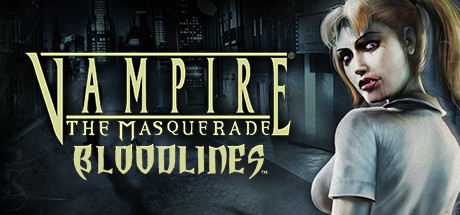
That same weight lives in Vampire: The Masquerade - Bloodlines—not in its combat or lore-dumps, but in its moral texture. The description calls it “a new type of RPG experience,” one that merges “graphical richness, immediacy and brutal combat”—but the player review cuts deeper: “BUY IT ON GOG; if you want to use the steam version you need to download the unofficial patch…” That line isn’t just technical—it’s emotional archaeology. Like Kou’s insomnia, the game’s instability isn’t a flaw to ignore—it’s part of its atmosphere. You don’t glide through this world; you negotiate it. Every choice carries consequence you can’t undo, every faction demands loyalty you haven’t earned, and immortality here isn’t glamour—it’s exhaustion wearing a tuxedo. Both Call of the Night and Bloodlines force you to sit with the cost of transformation—not as triumph, but as trade-off, where becoming something new means shedding something irreplaceable.
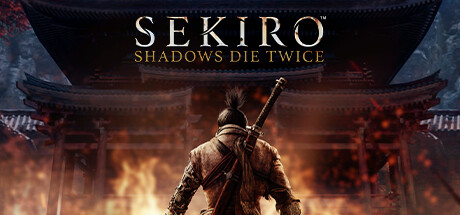
Then there’s Sekiro™: Shadows Die Twice - GOTY Edition, whose description says nothing about emotion—but the feeling is there in the silence between parries. No dialogue needed. Just the scrape of blade on blade, the staggered breath before the deathblow, the way the world holds its breath when you’re one mist-shrouded bridge away from surrender. Like Kou staring into Nazuna’s eyes while she tilts her neck—not because he’s ready, but because he’s curious what happens if he stops resisting. That’s Sekiro’s DNA: the tension of almost falling, the reverence for edge, the quiet dignity in choosing to stand—even when your knees scream otherwise. Neither work glorifies suffering. They treat it like weather: inevitable, intimate, and strangely clarifying.
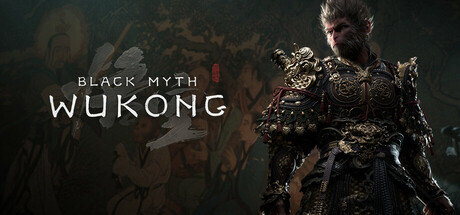
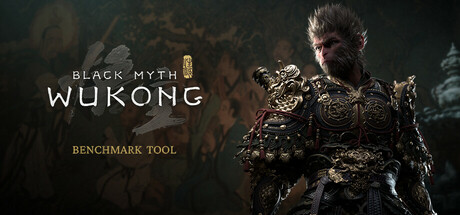
And Black Myth: Wukong, though described only as “Dark Fantasy, Adult & Dark Seinen,” lands with the same gravitational pull. Its score matches the others—not because it shares vampires or cities, but because it shares scale of yearning. Kou’s nightly walks aren’t about distance—they’re about distance from himself. Wukong’s mythic rebellion isn’t just against heaven—it’s against the shape he’s been forced to hold. Both ask: What does freedom taste like when you’ve forgotten your own tongue?
This pairing isn’t for fans of “cool powers” or “epic romance.” It’s for the person who watches Kou trace cracks in concrete and thinks, Yeah—I know that rhythm. Who boots up Sekiro not to win, but to feel the tremor in their own hands when the posture meter wobbles. Who reads that Bloodlines review and smiles—not at the bugs, but at the shared, stubborn love for something fragile enough to need patching. These are works for people who find holiness in the mundane act of staying awake—and who understand that the most radical thing you can do at 3 a.m. is choose, not escape.
🎮13 Games That Match the Vibe

Match Dimensions Explained
❓Frequently Asked Questions
Why does Vampire: The Masquerade - Bloodlines keep coming up in 'Games Like Call of the Night' lists?
Because it nails that same brooding, morally gray vampire nightlife vibe — think Kuroda’s slow-burn seduction scenes or Yuki’s quiet intensity, but with actual player-driven choices in L.A.'s gothic underworld. You’re not just fighting monsters; you're navigating blood politics as a fledgling Kindred, lying to cops, feeding on NPCs without killing them (like Yuki avoids full vampiric loss), and dealing with consequences — all while the game’s unofficial patch fixes those infamous crashes so you can actually *live* the night.
Is there an anime or live-action adaptation of Call of the Night?
No — and that’s why fans lean hard into games like Black Myth: Wukong or Sekiro for that same mythic, spiritually charged tension. Wukong’s celestial battles echo the show’s supernatural scale (think the rooftop confrontation between Yuki and the elder vampire), while Sekiro’s ‘Posture’ system mirrors how Call of the Night frames combat as psychological endurance — not just hits, but timing, patience, and that razor-thin line between control and surrender.
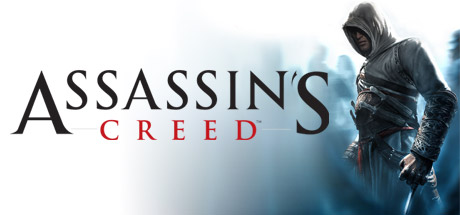
How is Assassin’s Creed Director’s Cut Edition similar to Call of the Night, really?
It’s not about parkour or crusades — it’s about the *weight* of secrecy and duality. Like Yuki hiding his vampirism while walking through sunlit streets, Altaïr moves through bustling Damascus wearing robes that conceal both blade and identity. The game’s muted color palette, hushed voice acting, and focus on silent observation over exposition? That’s the same ‘quiet dread meets forbidden intimacy’ mood — even if the textures look dated, the atmosphere still lands like a midnight confession.
What’s the best game like Call of the Night if I want that moody, late-night, emotionally raw vampire romance vibe?
Go straight to Vampire: The Masquerade – Bloodlines — especially the Malkavian or Brujah paths where your character’s inner monologue cracks under stress, mirroring Yuki’s isolation and Kuroda’s guarded affection. The GOG version includes the essential Unofficial Patch, so you won’t crash mid-conversation at the Asylum bar — and yes, you *can* flirt with NPCs, lie to gain trust, and choose whether to feed gently or lose yourself… just like the show’s most haunting, tender moments.