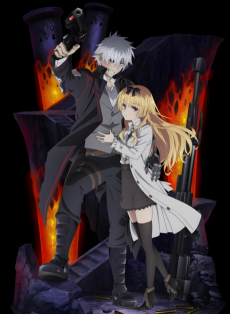
Arifureta Shokugyou de Sekai Saikyou 2nd season Special
📺Anime Details
📝Editorial Analysis
The air tastes like iron and burnt gunpowder. Hajime’s hand doesn’t shake as he reloads—not from calm, but from the hollow certainty that every bullet fired is both necessity and confession. There’s no triumphant music, no slow-motion flourish—just the mechanical clack of the slide locking home, his breath shallow, eyes already scanning the next threat in the ruined cathedral where stained glass hangs in jagged teeth. This isn’t vengeance dressed up as heroism. It’s survival stripped bare, layered with guilt that doesn’t soften—it hardens, like cooled magma beneath cracked earth.
That’s the feeling Arifureta Shokugyou de Sekai Saikyou 2nd season Special lives inside: unrelenting. Not just action—but the psychological weight of competence forged in betrayal, where magic hums with lethal precision and love triangles twist not around who gets kissed first, but who gets spared last. It’s a world where vampire allies don’t glitter—they bleed black ichor, and harem dynamics aren’t about affectional abundance but fractured loyalty under siege. The fantasy isn’t escapist; it’s diagnostic. You don’t watch Hajime walk away from a battle—you feel the tremor in your own knuckles imagining what you’d sacrifice to survive that kind of clarity.
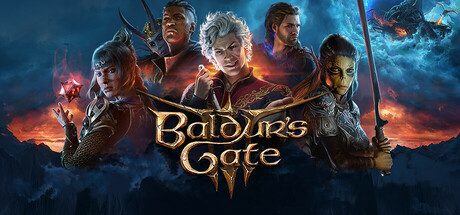
Baldur's Gate 3, scoring 79 with its Dark Fantasy, Romance & Shoujo, Adult & Dark Seinen dimensions, resonates because it shares that same suffocating moral gravity. Its romance isn’t flirty banter—it’s negotiation with fate, with consequences that land like bruises. Like Hajime choosing between Yue’s quiet devotion and Tio’s fierce pragmatism, BG3 forces choices where “love” means trusting someone enough to let them see your worst self—and still stand beside you when the world burns. A player review might not say it outright, but the score reflects how deeply it mirrors Arifureta’s core tension: intimacy as risk, not reward.
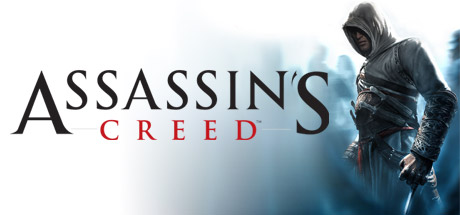
Then there’s Assassin's Creed™: Director's Cut Edition, scoring 73—its description calling it “the next-gen game that redefines the action genre,” while a player admits, “Being an older game now, some of the models and textures are quite dated but no issues with me…” That line hits like a gut-punch: it’s not about polish—it’s about endurance. Just like Hajime’s worn coat and scarred hands, Assassin’s Creed’s dated visuals don’t weaken its impact—they deepen it. The tactical warfare dimension matches Arifureta’s battlefield calculus: every rooftop leap, every hidden blade strike, every decision made in silence before the kill—it’s all deliberate, not flashy. The “Adult & Dark Seinen” tag isn’t marketing—it’s the shared language of characters who’ve stopped asking if they’ll break, and started measuring how much they’re willing to carry.
And Kingdom Come: Deliverance II, also at 73, with Dark Fantasy, Tactical Warfare, Adult & Dark Seinen, lands with the same unvarnished physicality. No mana bars—just calloused hands gripping a sword that feels heavy, armor that chafes, wounds that fester. Hajime’s guns aren’t anime props; they’re tools calibrated by trauma, like Henry’s battered longsword or his bruised knuckles after a failed parry. The game’s tactical warfare isn’t abstract—it’s mud, fatigue, and split-second judgment under pressure. That’s Arifureta’s rhythm too: no deus ex machina, just consequence, layered thick as blood on steel.
Who would love this pairing? Not the viewer who wants catharsis served warm and tidy. Not the player chasing power fantasies without cost. It’s the one who keeps their journal open after the credits roll, who replays a boss fight not to win faster—but to understand why their heart raced at that exact frame. It’s the reader who underlines passages about isolation in light novels, then pauses mid-game to stare at a campfire in Kingdom Come—not for ambiance, but because the silence feels familiar. These are for people who recognize hollow not as emptiness, but as space carved out by repeated, necessary choices—where love isn’t soft, and strength isn’t loud, and the most devastating moment isn’t a scream… but the exhale after the trigger’s pulled.
🎮33 Games That Match the Vibe






Match Dimensions Explained
❓Frequently Asked Questions
Why does Baldur's Gate 3 keep popping up in Arifureta 2nd season special discussions?
Because both lean hard into dark fantasy survival—Hajime’s descent into the Abyss mirrors BG3’s Underdark sequences, and the party-dynamic tension (like with Shizuku or Yuki) feels like navigating BG3’s romance-locked companion quests. Plus, the ‘adult & dark seinen’ dimension overlaps heavily with BG3’s mature themes around trauma, moral ambiguity, and hard-won power.
Is there an official Arifureta game adaptation for the 2nd season special?
No—there’s no licensed Arifureta game tied to the 2nd season special. The closest official tie-ins are mobile gacha titles (like Arifureta: The Labyrinth of the Demon King), but they’re not narrative sequels. Fans turn to games like Burning Horns: A Bara Isekai JRPG instead—it nails the isekai power-fantasy escalation and absurdly over-the-top boss fights (think Hajime vs. the Demon Lord’s corrupted form) with intentional parody energy.
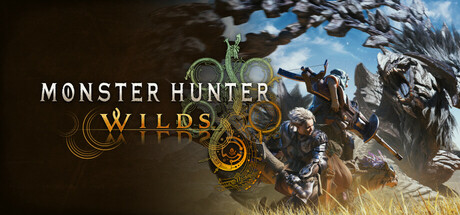
How does Monster Hunter Wilds compare to Baldur's Gate 3 for Arifureta vibes?
Wilds captures Arifureta’s ‘lone survivor mastering brutal environments’ feel better than BG3’s party-driven drama—think Hajime solo-hunting Abyssal beasts in desolate zones, not unlike Wilds’ snow-capped Caldera hunts where gear crafting and environmental awareness mirror his incremental self-reliance. But BG3 wins on romance & shoujo dimension depth (e.g., Yuki’s emotional arc vs. Wilds’ zero dialogue-driven relationships).
What’s the best game like Arifureta 2nd season special if I want that grim-but-satisfying ‘rebuild from nothing’ vibe?
Kingdom Come: Deliverance II—it’s got that same grounded, consequence-heavy progression: you start weak, scavenge scraps, train skills through repetition (like Hajime grinding magic formulas), and slowly earn respect in a hostile world. No fantasy races or magic, but the tactical warfare dimension and adult & dark seinen tone (think betrayal scenes in the Royal Court) hit the same emotional weight as Hajime’s isolation-to-mastery arc.