
Owarimonogatari Second Season
Third and “Final Season” of the Monogatari Series, part 4/5. Contains the arcs Mayoi Hell, Hitagi Rendezvous, and Ougi Dark from the Owarimonogatari light novels.
Koyomi wakes up to see Mayoi Hachikuji before him, the girl who supposedly had gone to the afterlife. She tells Koyomi that they are currently in Avichi, the lowest levels of hell. Koyomi is dubious of how Mayoi knew about the exact timing of his death and which hell he would drop into, when Mayoi tells him that she was there to pick him up by the request of a certain individual.
(Source: Aniplex)
📺Anime Details
📝Editorial Analysis
Koyomi Araragi stands barefoot on cracked asphalt, rain falling sideways—not down—while Mayoi Hachikuji’s hand hovers just shy of his wrist. Her school uniform is dry. His hair isn’t wet. The streetlamp flickers once, then stays lit, casting no shadow beneath them. There is no sound of traffic, no distant siren—just the low hum of a reality holding its breath. This isn’t limbo. It isn’t dream logic. It’s Avichi: not fire and brimstone, but silence so precise it vibrates in your molars. You feel the weight of a question you didn’t know you were asking: What if the afterlife isn’t a place—but a conversation you keep postponing?
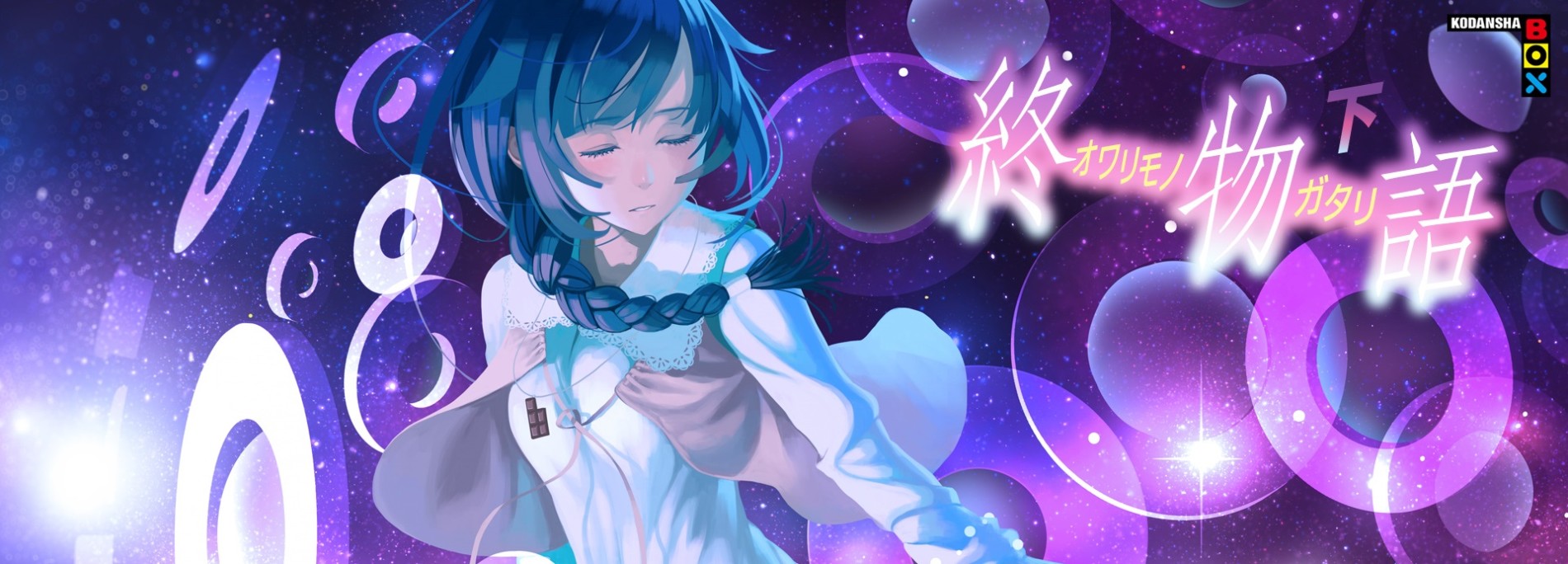
That’s the atmosphere—not dread, not wonder, but lingering. Owarimonogatari Second Season doesn’t build tension with jump scares or escalating stakes; it tightens the screws by refusing to resolve syntax. Sentences loop. Characters interrupt themselves mid-thought. Time folds like origami, then unfolds wrong. You don’t watch it—you inhabit its hesitation. It makes you feel unmoored, yes—but also attentive, as if every pause hides a confession you’re not quite ready to hear. It’s philosophy disguised as teenage banter, grief dressed in sailor collars, and romance that blooms not in proximity but in the space between what’s said and what’s withheld. There’s no grand battle for the soul—just two people standing in hell because neither knows how to say I’m still here without sounding like a ghost.
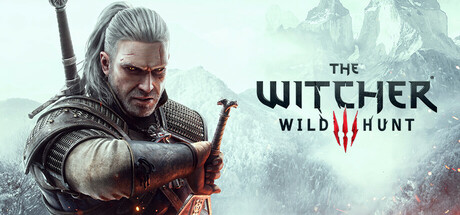
The resonance with The Witcher 3: Wild Hunt isn’t in monster-slaying or sprawling maps—it’s in how both treat consequence as texture, not plot device. Geralt walks through villages where war has already ended, yet every NPC carries a wound that won’t scab over; Koyomi walks through Naoetsu where Mayoi’s absence is a physical presence, her return an ontological glitch he can’t debug. The player review notes the DLC arriving 11 years later—a detail that mirrors Owarimonogatari’s own recursive structure: stories returning, recontextualized, still unfinished. Both works understand that healing isn’t linear—it’s archival. You collect fragments. You misfile them. You find them again, older, quieter.
Then there’s Vampire: The Masquerade - Bloodlines, whose description calls it “a new type of RPG experience—one that blends all the core elements of a traditional RPG with the graphical richness, immediacy and brutal combat…” But the player review cuts deeper: “BUY IT ON GOG; if you want to use the steam version you need to download the unofficial patch…” That friction—the necessity of patching reality to make it function—is pure Monogatari DNA. Koyomi doesn’t defeat Avichi with a sword or spell; he negotiates its inconsistencies, exploits its glitches, leans into its contradictions until the system stutters and lets him pass. Like Bloodlines, this anime treats narrative coherence as something fragile, provisional—something you jury-rig with dialogue, memory, and stubborn affection. Its darkness isn’t gothic; it’s procedural, born from trying to run a soul on outdated emotional firmware.
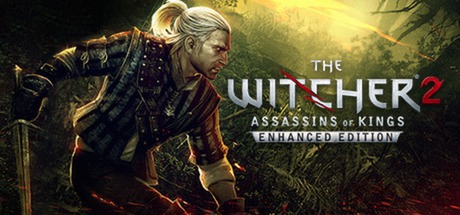
And The Witcher: Enhanced Edition Director's Cut, with its review sighing “Haven't played this since its OG release. An amazing gem though…”—that wistfulness, that sense of returning to something half-remembered but emotionally intact, is the exact frequency Owarimonogatari Second Season tunes into. When Hitagi reappears—not as resolution, but as complication—it’s not fan service. It’s archaeology. You dig up old feelings, brush off the dust, and realize they weren’t buried—they were waiting. The game’s “enhanced edition” isn’t about better graphics; it’s about revisiting the same choices with new eyes. So is Koyomi’s walk through Avichi: same words, same girl, same rain—but now he hears the tremor in her voice he missed the first time.
This pairing isn’t for players who crave mastery or viewers who want catharsis. It’s for the ones who reread texts searching for the sentence they almost understood. For the person who pauses a cutscene not to skip it—but to stare at the way light catches a character’s eyelash, wondering if that’s where the truth hides. For the reader who underlines paragraphs not because they’re profound, but because they itch. These are works built for people who love language like a scar—something tender, persistent, and never fully closed. They reward attention not with answers, but with echoes. And if you’ve ever held your breath waiting for someone to finish a sentence—and felt your chest tighten when they didn’t—you already speak their dialect.
🎮26 Games That Match the Vibe



Match Dimensions Explained
❓Frequently Asked Questions
Why is The Witcher 3: Wild Hunt listed as a match for Owarimonogatari Second Season when it’s not a visual novel?
Great question — it’s not about genre mimicry, but shared tonal DNA: morally grey choices with lasting consequences (like Geralt choosing between Yennefer and Triss, echoing Araragi’s messy emotional entanglements), layered dialogue-heavy scenes where subtext matters more than action (think the Bloody Baron’s tavern monologue vs. Oshino’s cryptic lectures), and that same 'adult & dark seinen' weight where trauma isn’t resolved in one episode—it lingers, like Ciri’s PTSD or Kanbaru’s guilt over Senjougahara’s injury.
Is there an official visual novel adaptation of Owarimonogatari Second Season?
No — there’s never been an official visual novel adaptation of *Owarimonogatari Second Season*. The closest you’ll get in spirit are games like *Vampire: The Masquerade – Bloodlines*, which nails that same brooding, dialogue-driven, choice-with-ripping-consequences vibe — especially during the Santa Monica subplot where your vampiric identity fractures your relationships, much like Araragi’s fragmented self-perception across the Monogatari timeline.
How does The Witcher: Enhanced Edition Director's Cut compare to Vampire: The Masquerade - Bloodlines for fans of Owarimonogatari’s talk-heavy, psychologically dense scenes?
If you love Owarimonogatari’s long, looping conversations where every line hides three meanings, go with *Bloodlines* — its dialogue trees (like confronting Smiling Jack in the Asylum) demand reading the room, just like Araragi parsing Shinobu’s sarcasm or Hachikuji’s evasions. *The Witcher: Enhanced Edition* leans harder into consequence-driven combat and world-building (e.g., the Bloody Baron quest’s branching outcomes), but *Bloodlines* mirrors Monogatari’s claustrophobic, voice-driven intimacy — plus that GOG version comes pre-patched, so no jank derailing your existential vampire crisis.
What’s the best game like Owarimonogatari Second Season if I want that late-night, emotionally exhausted, rain-soaked melancholy vibe?
Go straight to *Vampire: The Masquerade – Bloodlines* — especially the Venice Beach level at 3am, fog rolling off the Pacific while your Brujah character stumbles through neon-lit alleys, arguing with ghosts of their human life. That exact blend of urban decay, psychological fatigue, and razor-sharp banter (like interacting with the Malkavian bartender who speaks in riddles *and* truths) hits the same nerve as Araragi walking home after another confession under flickering streetlights — all without needing a single cutscene to land the mood.