
From Old Country Bumpkin to Master Swordsman
Beryl Gardinant, a self-proclaimed “humble old man,” is a sword instructor at his dojo in a rural, backwater village. In his younger years, he dreamed of glory as a master swordsman, but those days are long behind him. Out of the blue, he receives a visit from a famous former pupil who brings him world-shattering news—he's been appointed as special instructor for the knights of the Liberion Order! With his life now turned upside down, Beryl travels to the capital and reunites with some of his former students: elite knights, an ace wizard, and even an adventurer who's attained the highest guild rank possible. But why do they all want his tutelage?! As far as he's concerned, they clearly don't need him anymore.
Can Beryl live up to his new position? And will he ever get a moment's peace away from his adoring students?!
(Source: J-Novel Club)
📺Anime Details
📝Editorial Analysis
The scent of rain on sun-warmed tatami, the low creak of a wooden floorboard under an old man’s bare foot, the quiet shink of a practice sword drawn—not in fury, but in ritual. Beryl Gardinant stands alone in his empty dojo at dusk, blade held steady at hip level, breathing slow and deep. His knuckles are swollen, his back slightly bent, his eyes tired but unclouded. He doesn’t strike. He holds. And in that stillness—no fanfare, no flashback, no dramatic music—there’s a kind of dignity so quiet it hums.

That’s the heart of From Old Country Bumpkin to Master Swordsman: not the spectacle of mastery, but the weight of having lived it—and chosen, deliberately, to step back. It’s not about reclaiming glory; it’s about being called back not as a legend, but as a teacher. The fantasy here isn’t magic or monsters—it’s the quiet miracle of competence persisting, undimmed, beneath layers of routine and rural obscurity. You feel the warmth of hearth smoke, the ache in your own shoulders after years of labor, the gentle friction between respect and embarrassment when a former student—now knight-captain—bows deeply before you, calling you sensei, while your teacup trembles just slightly in your hand. This anime makes you think about time not as loss, but as layering: skill buried under habit, pride softened by patience, authority earned not through dominance but through consistency. It’s warm, grounded, and deeply unhurried—a rare kind of fantasy where power doesn’t shout; it settles, like dust in sunlight.
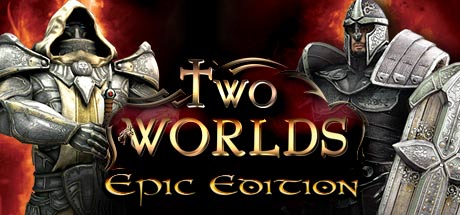
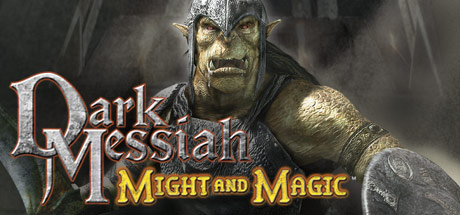
Which is why the top game matches—Sacred Gold, Two Worlds Epic Edition, Dark Messiah of Might & Magic, Two Worlds II HD, and Alice: Madness Returns—feel like distant, distorted echoes rather than true siblings. Their shared dims—Dark Fantasy, Action Spectacle, Adult & Dark Seinen—point to surface-level alignment, but their actual textures clash sharply with Beryl’s world. Take Sacred Gold: its description promises “blood-thirsty orcs & lumbering ogres” and “a shadow of evil” over Ancaria—grand, grim stakes, high-octane threat. Yet player reviews fixate on instability: “Full of jank, bugs and is not very stable on modern systems…” That fragility—the sense of something barely holding together—mirrors Beryl’s own physical reality: a body that works, but groans, hesitates, demands care. Not spectacle, but survivability. Same with Two Worlds Epic Edition: its plot hinges on disappearance and ancient banishment, but the review confesses decades of cross-platform persistence—“XP, 7, 10 and now Windows 11”—a testament to stubborn, unglamorous endurance. That’s Beryl’s dojo, rebuilt after every storm. And Dark Messiah of Might & Magic, praised for “ferocious combat” and raw melee physics, gets a review noting it “needs a patch to get the game running properly”—a perfect metaphor for Beryl’s swordplay: technically flawless, yet constantly negotiating friction—between steel and air, age and motion, expectation and embodiment.
None of these games offer Beryl’s gentle harem dynamics or family life; none mirror his age-gap mentorship or rural serenity. But their player experiences—the love poured into broken things, the loyalty to systems that demand tinkering and tolerance—echo the anime’s emotional core: reverence for what endures, not what dazzles. You don’t play these games for polish. You play them because something matters beneath the glitches—the combat rhythm, the world’s weight, the stubborn will to keep moving forward despite the odds.
So who loves this pairing? Not the player chasing flawless graphics or the viewer craving slick, youth-obsessed power fantasies. It’s the person who keeps their grandfather’s chipped teacup on the shelf—not as nostalgia, but as proof. It’s the RPG player who spends hours modding Alice: Madness Returns to cap FPS manually, not for performance, but to hold the frame just long enough to feel Alice’s breath catch in that one, silent hallway. It’s the viewer who watches Beryl adjust his obi before stepping into the capital—not to impress, but to arrive—and feels their chest tighten, not with awe, but with recognition. These are stories for those who know that mastery isn’t a peak—it’s the quiet, daily return to the stance. The breath before the cut. The tea, still warm, waiting on the low table.
🎮52 Games That Match the Vibe












Match Dimensions Explained
❓Frequently Asked Questions
Why does Sacred Gold feel so similar to From Old Country Bumpkin to Master Swordsman despite being from 2004?
Because both lean hard into that gritty, janky-but-charming dark fantasy progression—think grinding through hordes of blood-thirsty orcs and lumbering ogres in Ancaria while slowly unlocking flashy combat moves, just like leveling up from farmhand to swordsman. Players even note the same 'full of jank, bugs and not very stable on modern systems' vibe, which oddly reinforces the scrappy, earned-power fantasy.
Is there a Two Worlds movie or anime adaptation in the works?
No—there’s no official Two Worlds movie, anime, or live-action adaptation, and nothing’s been announced. The series stays firmly in game form: Kyra’s sudden disappearance and the 300-year-old Aziraal conflict remain exclusive to Two Worlds Epic Edition and its sequel Two Worlds II HD (which includes the Pirates of the Flying Fortress DLC).
How is Dark Messiah of Might & Magic different from Alice: Madness Returns if both are dark fantasy action games?
Dark Messiah is all about visceral, physics-driven melee combat—imagine kicking enemies down stairs or impaling them on environmental spikes using the Source Engine—while Alice swaps swords for a Vorpal Blade and platforming acrobatics across Victorian London and ghastly Wonderland. One’s a grounded, brutal RPG (‘ferocious combat in a dark and immersive world’), the other’s a surreal, third-person action-platformer with heavy psychological horror vibes.
What’s the best game like From Old Country Bumpkin to Master Swordsman if I want that grim, atmospheric ‘adult dark seinen’ vibe without buggy PC ports?
Go with Two Worlds II HD—it delivers the same adult dark seinen tone (Orcs vs. free world, morally grey stakes) and runs smoothly on Steam Deck without config edits or patches. Unlike Sacred Gold (‘not very stable on modern systems’) or Alice (‘edit FPS cap manually in a config file’), it’s the most hassle-free pick from the list for that brooding, mature fantasy immersion.