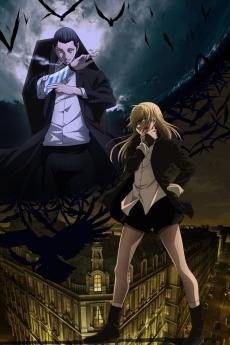
The Witch and the Beast
It all started with the 17 "Origins," whose powers were passed down to individuals who still exist around the world today. A man carrying a coffin and a girl with the eyes of a beast appear in a town. The girl was once cursed by a witch and now searches for her in order to undo the curse. Is the witch who appears before them the quarry they've been searching for? And how can the curse be undone? This quest for revenge against an evil witch begins rolling when the beast captures the witch. This magnificent and intense dark fantasy begins now!
(Source: Crunchyroll)
📺Anime Details
📝Editorial Analysis
The air in that first alleyway scene is thick—not with rain, but with weight. A man in a long coat drags a coffin across cracked cobblestones while a girl watches from the shadows, her eyes not human, not animal, but something older—hungry, hollow, and waiting. Her fingers twitch. Not toward magic, not toward a weapon, but toward the witch’s throat. That silence before the curse breaks open? That’s where The Witch and the Beast lives: in the breath held too long before vengeance exhales.
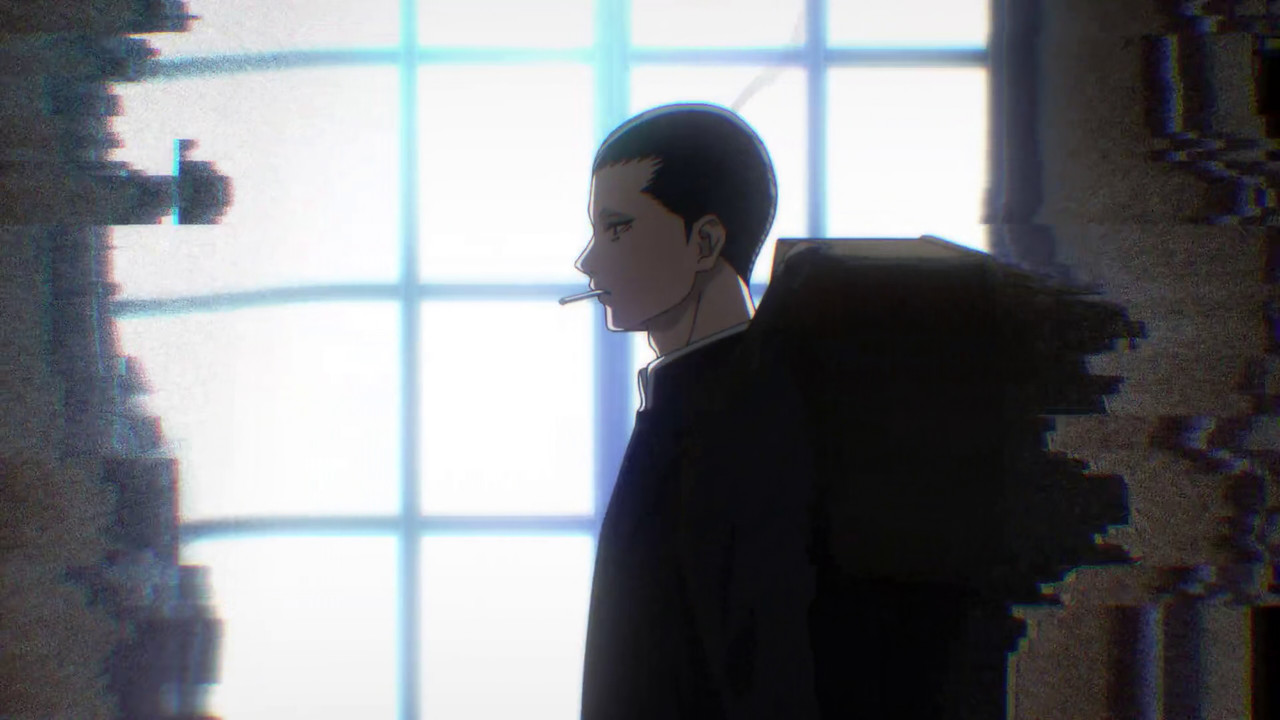
This isn’t urban fantasy as glittering neon spectacle or whimsical charm—it’s gritty persistence. The magic here doesn’t sparkle; it scars. The world feels lived-in and frayed at the edges: streetlights flicker over bloodstains no one cleans, spells leave afterimages like cigarette burns on concrete, and every spell cast carries the sour tang of consequence. You don’t feel wonder—you feel dread, yes, but also recognition: this is what survival looks like when your body isn’t yours, your enemy wears your face, and your only ally is a man who carries death like luggage. It’s adult not because of gore alone—but because it refuses to soften the cost of obsession, the exhaustion of pursuit, the quiet horror of being both hunter and hunted in the same skin.
That emotional DNA pulses strongest in The Witcher 3: Wild Hunt, where Geralt stalks a continent rotting at the seams—not for glory, but for Ciri, a child slipping through time like smoke. The description says he’s “tracking down” her, but the player review nails the shared heartbeat: “DLC announced 11 years after release, my favourite game keeps getting better…” That devotion—that refusal to let go—mirrors the girl’s unblinking search for the witch who cursed her. Both stories treat revenge not as catharsis, but as gravity: a force that bends time, warps relationships, and reshapes identity until nothing remains but the chase. And like Geralt’s world, The Witcher 3’s “war-torn, monster-infested continent” doesn’t offer clean answers—just moral residue, layered consequences, and the ache of love buried under duty.
Then there’s Vampire: The Masquerade – Bloodlines, whose description promises “brutal combat” fused with “traditional RPG” depth—and whose player review begs you to buy it on GOG just to access the patch that makes it work. That friction—the game’s own instability, its need for community labor to survive—is eerily resonant. The Witch and the Beast thrives in similar liminal spaces: body-swapped identities, magic that corrupts as it heals, alliances forged in mistrust. The girl isn’t just cursed—she’s unstable, her humanity fraying at the edges like corrupted code. Like the vampire protagonist in Bloodlines, she navigates a world where power demands sacrifice, where every choice risks unraveling the self—and where the most dangerous monsters wear familiar faces. The review’s emphasis on patching the experience mirrors how the anime forces its characters to constantly reconfigure themselves, to jury-rig their morality, their bodies, their very sense of time.
Even The Witcher: Enhanced Edition Director's Cut echoes this—its description calling Geralt “a legendary monster slayer caught in a web of intrigue,” and the player review sighing, “Haven't played this since its OG release. An amazing gem though.” That wistful reverence for something raw, unpolished, yet inescapably vital? That’s The Witch and the Beast’s pulse. It doesn’t chase modernity—it leans into its own rough texture: the jarring cuts between tender silence and sudden, wet violence; the way grief and rage share the same breath; the way “make difficult decisions and live with the consequences” isn’t a tagline—it’s the rhythm of every episode.
This pairing isn’t for fans of tidy arcs or triumphant endings. It’s for the ones who linger on the final frame of a battle—not to celebrate the win, but to watch the dust settle on the cost. It’s for players who replay Bloodlines not for perfection, but for the cracks—where the voice acting stutters, where the script glitches, where the horror bleeds through the seams. It’s for viewers who rewatch that alleyway scene—not to see the curse break, but to feel the stillness before it, the terrible, beautiful weight of a life remade by loss. They’re the ones who know that vengeance isn’t a destination. It’s the air you breathe. It’s the eyes you wake up with. It’s the coffin you carry—not because you’re ready to bury the past, but because you haven’t found ground solid enough to set it down.
🎮21 Games That Match the Vibe


Match Dimensions Explained
❓Frequently Asked Questions
Why is The Witcher 3 listed as similar to The Witch and the Beast when it’s not anime?
Great question — it’s not about the art style, but the shared 'Dark Fantasy, Adult & Dark Seinen' vibe: morally grey choices, monster-hunting contracts (like Geralt tracking Ciri while navigating political rot), and that same brooding, atmospheric tension you feel when the Beast transforms or the Witch casts a forbidden spell. Fans of The Witch and the Beast’s slow-burn dread and layered character dynamics often cite The Witcher 3’s Bloody Baron questline or the Bloody Crane inn scene as hitting that exact emotional and tonal sweet spot.
Is there an anime or live-action adaptation of Vampire: The Masquerade – Bloodlines?
No official anime or live-action adaptation exists — just the cult-classic 2004 RPG (and its beloved GOG version with the unofficial patch pre-installed). But if you love The Witch and the Beast’s gothic romance and hidden-identity stakes, Bloodlines delivers that *in spades*: playing as a newly Embraced vampire in LA, choosing your clan (Ventrue, Brujah, etc.), and navigating vampiric politics while trying not to lose your humanity — very much like the Witch and the Beast’s push-pull between duty and desire.
How does Sacred Gold compare to The Witcher: Enhanced Edition Director's Cut for dark fantasy vibes?
Sacred Gold leans into chaotic, janky action-RPG energy — think blood-thirsty orcs and lumbering ogres in a crumbling Ancaria — but it lacks the narrative weight and character intimacy of The Witcher: Enhanced Edition, where you’re deep in Geralt’s world from minute one: making hard calls in Vizima’s slums, debating Yennefer vs. Triss over real consequences, and feeling the weight of every contract. If you want lore-rich melancholy and consequence-driven storytelling, go Witcher EE; if you want raw, buggy, old-school dungeon-crawling grit, Sacred Gold fits — but don’t expect the same emotional resonance.
What’s the best game like The Witch and the Beast if I’m in the mood for brooding atmosphere and reluctant partnerships?
The Witcher: Enhanced Edition Director's Cut — hands down. You play Geralt, a solitary monster hunter forced into uneasy alliances (Yennefer, Vesemir, even the Bloody Baron) across a decaying world, mirroring the Witch and the Beast’s forced cohabitation and slow-burn trust-building. That opening sequence in the swamp, where Geralt’s pragmatism clashes with magic-wielding allies? Pure vibe match — plus player reviews confirm it’s still beloved for those exact 'team Yenn vs. team Tress' tensions and morally messy combat decisions.