Alice in Borderland
📺Anime Details
📝Editorial Analysis
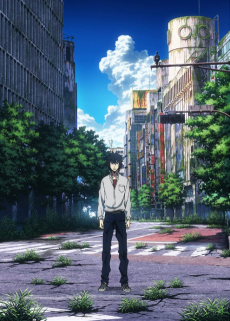
The air in Shinjuku tastes like burnt sugar and static—thick, wrong, humming with the silence of a city that forgot how to breathe. Arisu stumbles past a toppled pachinko parlor, its flashing lights frozen mid-pulse, glass shards glittering under a sun that doesn’t warm. His breath hitches—not from exertion, but from the weight of absence: no sirens, no distant chatter, no hum of refrigerators or AC units—just his own heartbeat echoing off concrete that used to hold millions. That’s not the start of a chase or a fight. It’s the first full inhale in a world that’s already stopped exhaling.
What makes Alice in Borderland ache isn’t its death games or its rules—it’s how deeply it trusts silence to carry dread. This isn’t horror that jumps; it’s horror that settles, like dust in abandoned subway tunnels or the slow realization that your best friend’s laugh hasn’t echoed in three days. It’s the loneliness of survival when every choice is measured in human cost—not just lives lost, but trust eroded, empathy rationed, grief buried under tactical calculation. The post-apocalyptic setting isn’t rubble and ruin alone—it’s the hollowed-out grammar of civilization: traffic lights blinking red into empty intersections, vending machines still lit but refusing coins, escalators frozen mid-ascent like fossilized vertebrae. You don’t just fear the next game—you fear remembering what safety felt like, and how irrevocably you’ve unlearned it.
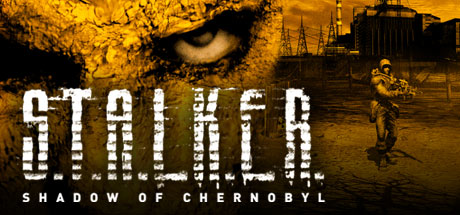
That emotional DNA pulses strongest in S.T.A.L.K.E.R.: Shadow of Chernobyl, where the Zone isn’t just dangerous—it’s unwitnessed. Like Borderland’s Tokyo, it’s a place stripped of witnesses, where radiation and anomalies aren’t abstract threats but ambient forces that warp perception, time, and memory. The player review nails it: “You fear not only the radiation, anomalies and deadly creatures, but other S.T.A.L.K.E.R.s”—mirroring how Arisu’s greatest tension rarely comes from the game’s mechanics, but from reading another survivor’s eyes across a ruined plaza, calculating whether their desperation will outpace their mercy. Both worlds force you to move through beauty that feels like betrayal—the “big and beautiful” map of the Zone, the haunting serenity of Shibuya Crossing at dawn—while knowing every stillness could be the last before violence reasserts itself.
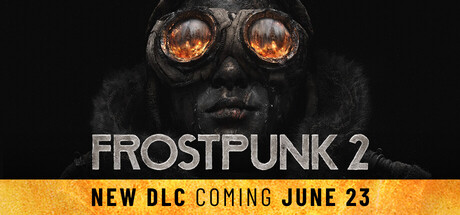
Then there’s Frostpunk 2, where survival isn’t about outlasting opponents—it’s about governing despair. Its “Emotional Narrative” dimension resonates with how Alice in Borderland treats morality not as a binary, but as a crumbling infrastructure. When Chota chooses to burn evidence to protect his squad, or when Kuina sacrifices herself not for glory but to buy seconds for someone else’s doubt to harden into resolve—that’s Frostpunk’s core tension made flesh: leadership as trauma management, ethics as triage. The game’s score reflects this weight—74, not flashy, but earned, like the quiet exhaustion in Arisu’s voice after he wins a game he never wanted to play.
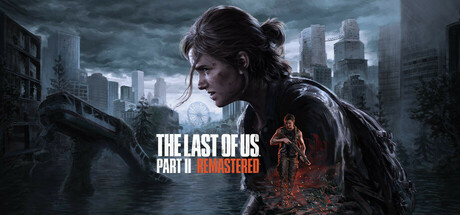
And The Last of Us™ Part II Remastered—80-scored, anchored in “Emotional Narrative” and “Survival & Crafting”—lands with devastating precision. It doesn’t ask if violence is justified. It asks what happens to your hands after they’ve done it. Just like Arisu’s trembling fingers reassembling a broken phone long after the battery’s dead, Ellie’s rituals—sharpening blades, checking ammo, replaying voicemails—aren’t gameplay loops. They’re nervous systems trying to remember how to feel before. The tragedy isn’t that people die. It’s that the ones who live keep finding new ways to grieve the versions of themselves they left behind in the ruins.
These pairings won’t thrill someone who wants clean victories or power fantasies. They’ll grip the person who watches Arisu stare at his reflection in a cracked smartphone screen—not to check for wounds, but to see if his pupils still dilate the same way. They’re for players who linger in S.T.A.L.K.E.R.’s fog not to hunt mutants, but to hear their own footsteps echo too long. For those who pause Frostpunk 2’s furnace not to optimize heat, but to watch the steam rise and wonder if warmth is still a feeling they recognize. For anyone who’s ever held a controller after The Last of Us™ Part II Remastered ends—not to restart, but to sit in the dark, breathing, feeling the weight of having survived something that changed the shape of their ribs. That’s the real borderland—not between worlds, but between who you were, and who you become when the rules vanish, and all that’s left is your pulse, your choices, and the terrible, tender gravity of staying human.
🎮16 Games That Match the Vibe

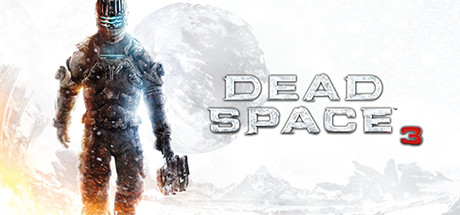



Match Dimensions Explained
❓Frequently Asked Questions
Why does S.T.A.L.K.E.R.: Shadow of Chernobyl feel so much like the ‘Wolves’ game from Alice in Borderland?
Because both drop you into a lawless, decaying zone where survival hinges on scavenging gear, reading environmental threats (like radiation hotspots or invisible anomalies), and navigating tense standoffs with hostile factions — just like Arisu’s desperate scramble through the Red Queen’s arena. The Zone’s oppressive silence, unpredictable hazards, and morally gray S.T.A.L.K.E.R. rivals mirror how the Borderland games force you to trust no one and adapt fast.
Is there a video game adaptation of Alice in Borderland?
No — there’s no official game adaptation of the Netflix series or manga. But if you love its high-stakes psychological tension and life-or-death games, Frostpunk 2 nails that same vibe: you’re not fighting monsters, but making brutal choices as leader of a frozen city — like deciding who gets heat during a blizzard, echoing the moral weight of the ‘Joker’ or ‘King of Clubs’ matches.
How does Dead Space 3 compare to Alice in Borderland in terms of horror and stakes?
Dead Space 3 leans harder into visceral, body-horror dread — think Isaac Clarke slicing off Necromorph limbs in zero-G while your oxygen ticks down — whereas Alice in Borderland thrives on human-on-human tension and mind games. That said, both use isolation, escalating scarcity, and adult/seinen-toned consequences (like irreversible character deaths or trauma) to keep you on edge, especially in claustrophobic set-pieces like the Ishimura’s collapsing corridors or the ‘Honeybee’ arena.
What’s the best game like Alice in Borderland if I want that emotional gut-punch + survival pressure?
The Last of Us™ Part II Remastered — it’s got the raw, character-driven devastation of the Borderland’s losses (think Mira’s sacrifice or Chishiya’s arc), layered over relentless resource management and stealth-combat where every bullet and bandage matters. Reviewers called it 'emotionally exhausting in the best way,' and scenes like the Seattle sewers or the Seraphite raid hit with the same moral exhaustion and physical urgency as the ‘Queen of Hearts’ match.