![Fate/stay night [Heaven's Feel] II. lost butterfly](https://s4.anilist.co/file/anilistcdn/media/anime/cover/large/bx21718-Hjj26Sapx1bd.jpg)
Fate/stay night [Heaven's Feel] II. lost butterfly
The second film in a trilogy adaptation of the 3rd route of the popular visual novel: Fate/stay night.
Shirou Emiya made his choice: to keep fighting, and to protect Sakura Matou. Due to the participation of Zouken Matou in the Holy Grail War, and his summoning of the Servant True Assassin, things begin to distort, steadily worsening day by day. Resolved to protect Sakura and not betray her, Shirou refuses to leave the battle. While Sakura worries about Shirou, she also finds herself entangled in her own fate as a mage. However, their fervent wishes are about be crushed by the mysterious black shadow that covers the city, killing Masters and Servants one by one…
(Source: Aniplex of America)
📺Anime Details
📝Editorial Analysis
The air in the Matou mansion basement tastes like rust and wet earth—cold, thick, suffocating. Sakura’s fingers tremble as she presses them against Shirou’s back, not to hold him, but to anchor herself while his blood soaks into her sleeves. She doesn’t scream. She breathes—shallow, deliberate—as if silence might keep the rot from spreading further. That moment isn’t about action or magic; it’s about the unbearable weight of choosing to stay, even when every instinct screams to run.
![Fate/stay night [Heaven's Feel] II. lost butterfly banner](https://s4.anilist.co/file/anilistcdn/media/anime/banner/21718-7NXra2yezc9T.jpg)
What makes Fate/stay night [Heaven's Feel] II. lost butterfly ache so deeply isn’t its gore or its battle royale structure—it’s how it weaponizes intimacy. This is urban fantasy where the city doesn’t glitter; it leaks: rain-slicked alleys bleed into corrupted ley lines, school corridors echo with unspoken guilt, and love isn’t a spark—it’s a slow, desperate tourniquet applied to a wound that refuses to close. You don’t just watch Sakura fracture—you feel the pressure behind her smile, the way her voice tightens when she says “I’m fine,” the quiet horror of realizing her kindness has been trained into her like muscle memory. It’s psychological not because of mind games, but because every glance, every withheld touch, every flicker of Servant energy across a rooftop at midnight asks: How much can one person absorb before they stop being themselves? The tragedy isn’t that things fall apart—it’s that they do so in slow motion, witnessed up close, breath-to-breath.
That same emotional DNA hums in The Witcher 3: Wild Hunt, where Geralt walks through war zones thick with grief he can’t fix and choices that calcify into regret. The description calls it “a war-torn, monster-infested continent you can explore at will”—but what lingers isn’t the scale, it’s the texture: the way a mother’s hands shake as she hands Geralt her daughter’s locket, how Ciri’s laughter cuts through fog like a knife. A player writes, “DLC announced 11 years after release, my favourite game keeps getting better…”—that devotion isn’t about content volume. It’s about returning to a world where consequences have weight, where protecting someone means carrying their pain like stone in your pockets. Like Shirou choosing Sakura over safety, Geralt chooses Ciri—not as a quest marker, but as a vow whispered in the dark.
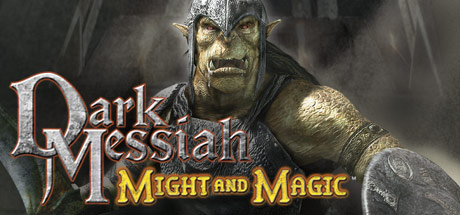
Then there’s Dark Messiah of Might & Magic, whose description names Body Horror & Occult outright—a rare, precise alignment. Here, combat isn’t clean; it’s visceral, grotesque, physics-driven dismemberment in cramped catacombs lit by guttering torchlight. A player notes it’s “a fantastic melee combat game that still holds up pretty well today”, but what echoes from lost butterfly isn’t just the gore—it’s how both treat violation as environmental. In the Matou basement, Zouken’s worms aren’t set dressing; they’re invasive, intimate, violating the body from within—just as Dark Messiah’s cursed blades twist limbs mid-swing, making violence feel personal, not performative. Both refuse to let horror stay external. It crawls under skin. It nests.
Even Chains, at first glance a breezy match-3 arcade title, carries an uncanny resonance—if you read its description closely: “link adjacent bubbles… the challenge comes from increasingly difficult physics-driven logic.” Not story, not stakes—but structure. Like Sakura’s carefully maintained routines—the tea poured just so, the homework completed before dusk, the way she counts steps between rooms—Chains mirrors that same fragile, escalating control. Each level demands precision under mounting pressure, where one misstep unravels the chain. It’s not thematic kinship—it’s rhythmic. The quiet tension of holding everything together, second by second, until the next inevitable slip.
This pairing isn’t for fans of “dark fantasy” as aesthetic—it’s for people who recognize devotion as exhaustion, who flinch at the sound of a trembling breath more than a sword unsheathing, who’ve ever loved someone they knew was breaking—and stayed anyway. It’s for the ones who replay Geralt’s campfire conversations not for lore, but to hear his voice soften; who pause mid-battle in Dark Messiah just to watch blood drip off a blade in real time; who rewatch Sakura’s silent walk home at dusk, not waiting for a payoff, but honoring the weight of her footsteps. They don’t want catharsis. They want witnessing. And they’ll find it—in the basement, on the battlefield, in the match-3 grid, in the rain-slicked streets where love and ruin wear the same face.
🎮32 Games That Match the Vibe
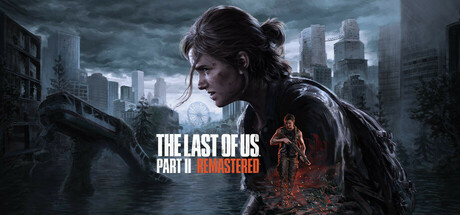

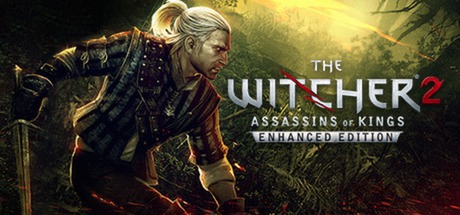
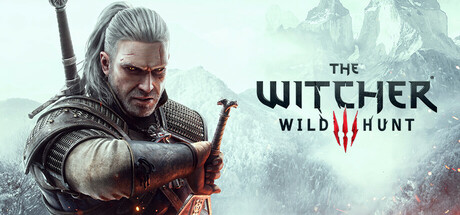
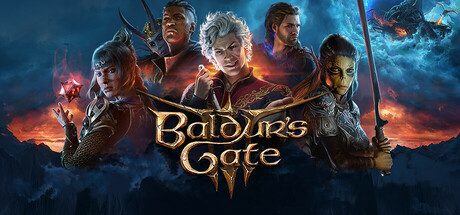


Match Dimensions Explained
❓Frequently Asked Questions
Why is The Witcher 3 listed as similar to Fate/stay night [Heaven's Feel] II. lost butterfly?
Because both dive deep into morally gray emotional stakes — like Geralt’s desperate, love-tinged search for Ciri mirroring Shirou’s agonizing choices between Sakura and the world’s survival in the 'lost butterfly' route. The Witcher 3’s adult & dark seinen tone, layered character arcs (especially with Yennefer and Triss), and consequences that reshape relationships across multiple playthroughs hit the same narrative weight as Heaven’s Feel’s psychological intimacy and tragic beauty.
Is there a visual novel adaptation of The Witcher series like Heaven’s Feel?
No — The Witcher games are full 3D RPGs, not visual novels. But The Witcher: Enhanced Edition Director's Cut comes closest in *spirit*: its branching dialogue, heavy emphasis on Geralt’s voice and moral ambiguity ('play this to realize why team Yenn and not team Tress is a thing'), and intimate, consequence-driven storytelling echo Heaven’s Feel’s focus on character psychology over spectacle — just wrapped in real-time combat instead of text boxes.
How does Dark Messiah of Might & Magic compare to Heaven’s Feel II. lost butterfly in terms of tone and themes?
Both lean hard into body horror & occult dread — think Sakura’s corrupted vines and shadow manifestations versus Dark Messiah’s grotesque transformations, cursed artifacts, and visceral melee combat where limbs fly and spells warp flesh. It’s not a romance or visual novel, but its dark fantasy atmosphere, oppressive sense of decay, and emotionally charged betrayals (like the assassination plot against King Foltest) tap into the same unsettling, mature intensity as Heaven’s Feel’s descent into tragedy.
What’s the best game like Heaven’s Feel II. lost butterfly if I want that slow-burn, emotionally devastating romantic tension?
The Witcher 2: Assassins of Kings Enhanced Edition — especially the 'Blood and Wine'-level intimacy of Geralt’s relationships with Yennefer and Triss, where every choice reshapes trust and longing across chapters. Its tightly written political thriller framing (like the siege of Loc Muinne) mirrors the suffocating pressure of Sakura’s fragile peace in 'lost butterfly', and player reviews confirm it feels 'more thoughtfully designed' for emotional payoff than even the flashier sequel.