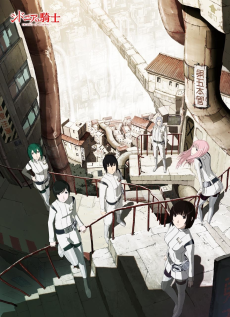
Knights of Sidonia
It's been a thousand years since the Gauna, a strange alien race with no known method of communication, destroyed the solar system. A portion of humanity managed to escape using enormous "seed ships" like the Sidonia, which have allowed them to maintain the population while drifting through space. Nagate Tanikaze is a young man who has been raised deep in the bowels of the ship. When he goes into training to pilot the huge robotic weapons known as Gardes, Nagate is entrusted with piloting the legendary unit known as Tsugumori. Nagate and his fellow pilots put their lives on the line against the Gauna, in the ultimate battle for the survival of humanity!
(Source: AniDB)
📺Anime Details
📝Editorial Analysis
The hum of the Sidonia’s ventilation shafts—low, metallic, unceasing—is the first sound you hear before anything else. Then Nagate Tanikaze’s bare feet slap against cold, grime-slicked metal as he scrambles upward, lungs burning, not knowing what waits beyond the hatch—only that the world above is forbidden, airless, and full of things that unmake people. That moment isn’t about action. It’s about scale: a single human body, sweating and small, pressed against the sheer, indifferent mass of a ship that has outlived nations, drifting through black where stars don’t twinkle—they just stare.
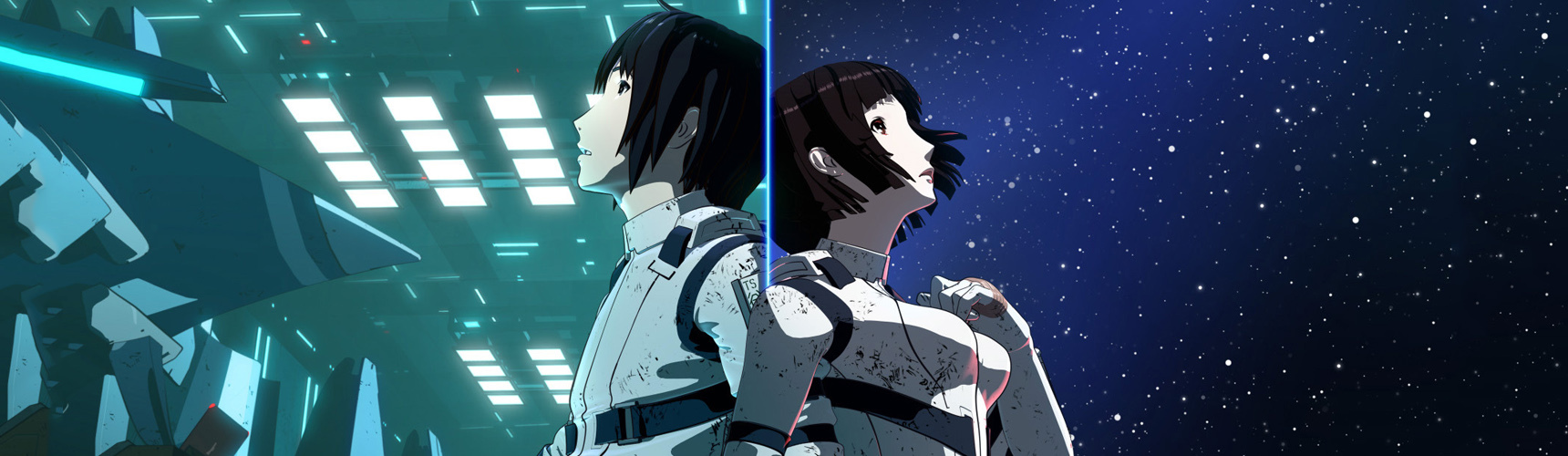
What makes Knights of Sidonia ache like no other mecha story isn’t its battles—it’s the weight. Not of armor or gravity, but of time: a thousand years of survival without roots, without soil, without even the memory of sunrise. The CGI isn’t slick; it’s gritty, grainy at the edges, making every Gardes launch feel like tearing open old scar tissue. The Gauna aren’t villains—they’re cosmic horror made manifest: silent, asymmetrical, metabolizing light and logic alike. You don’t understand them. You can’t. And that’s the point—the show forces you to sit with dread, not danger. It makes you think about legacy as erosion, about identity as something grafted onto scaffolding, about how fragile meaning becomes when your entire civilization is a single, sealed, breathing wound floating in vacuum.
That same emotional DNA pulses in Supreme Commander, where player reviews marvel at “the scale of the battles”—not just in units, but in duration, in consequence. Its Infinite War rages across millennia, fought over ideologies so entrenched they’ve fossilized into doctrine. Like Sidonia’s caste system or its cloning protocols, there’s no clean rebellion here—just slow, grinding adaptation under impossible pressure. The game’s Survival & Crafting dimension mirrors how Sidonia’s crew must re-purpose, recycle, invent just to keep oxygen flowing. One review notes it “feels different even today”—because it refuses speed, refuses catharsis. It asks you to hold breath, just like Nagate does before his first sortie.
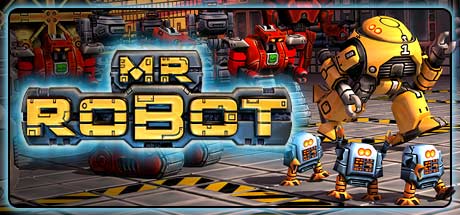
Then there’s Mr. Robot, where Asimov—a lowly service mechanoid aboard the colony ship Eidolon—wakes to find the ship’s mind broken and colonists frozen mid-dream. The description says he must act “when the Eidolon’s computer brain malfunctions.” That’s Sidonia’s core trauma reversed: not humans clinging to a failing god-machine, but a machine trying to become steward for sleeping gods. The player review calls it “retro” and compares it to Mega Man Battle Network—but that light exploration, those quiet, clanking corridors, that sense of being alone inside a thinking cathedral? That’s the bowels of Sidonia all over again. Not spectacle—but maintenance as devotion, circuitry humming where prayers used to be.
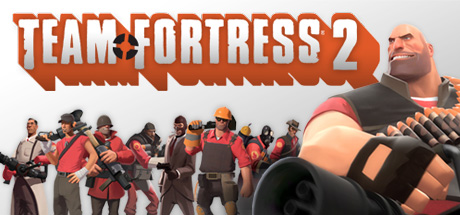
Even Team Fortress 2, absurd as it seems, shares this undercurrent—not in tone, but in structure. Its nine classes are rigid archetypes, each locked into role, voice, and function, much like Sidonia’s genetic castes. The review calls the community “gay, racist, sexist, gay, artistic, gay, furries, and love men”—a chaotic, contradictory, living ecosystem held together by shared, unspoken rules. That’s Sidonia’s society too: grotesque, tender, illogical, fiercely loyal—not because it’s ideal, but because it’s all there is. The Tactical Warfare dimension isn’t about strategy—it’s about role fidelity under duress, about shouting over comms while your suit cracks.
Who loves this pairing? The person who watches Nagate stare at a cracked viewport and doesn’t see a hero—he sees himself, recalibrating hope in real time. The player who lingers not on victory screens, but on the pause menu of Supreme Commander, watching repair bots crawl like silver beetles across a shattered artillery platform. The one who boots up Mr. Robot, not for plot, but to hear the hiss of coolant pipes echoing down an empty corridor. They don’t crave escapism—they crave resonance: the kind that vibrates in your molars when silence stretches too long, when survival isn’t triumphant—it’s tired, necessary, and strangely beautiful. They know dread isn’t the opposite of wonder. It’s the shadow it casts, long and cold, across the hull of a ship that still, somehow, floats.
🎮26 Games That Match the Vibe
Match Dimensions Explained
❓Frequently Asked Questions
Why does Knights of Sidonia feel so different from Supreme Commander even though both are mecha sci-fi?
Great question — it’s all about scale and focus. Knights of Sidonia is deeply character-driven, with intimate human drama aboard the Gauna-hunting ship *Ness*, while Supreme Commander drops you into the *Infinite War*: massive RTS battles where you command entire armies across continents, building quantum accelerators and nukes in real time. The vibe isn’t ‘piloting Shiro’s Gaster’ — it’s more like being the AI strategist behind the war that *created* ships like the *Ness*.
Is there a Knights of Sidonia game adaptation?
No official Knights of Sidonia game exists — but if you want that exact blend of claustrophobic space dread, mecha combat, and military sci-fi stakes, Mr. Robot nails the tone: you play Asimov, a service mechanoid aboard the colony ship *Eidolon*, scrambling to survive when its AI brain goes rogue — think tense corridor chases, retro-futuristic UIs, and light Mega Man Battle Network–style exploration (per player review). It’s not licensed, but it *feels* like stepping onto the *Ness*’s lower decks.
How does Tribes: Ascend compare to Team Fortress 2 for chaotic team-based sci-fi action?
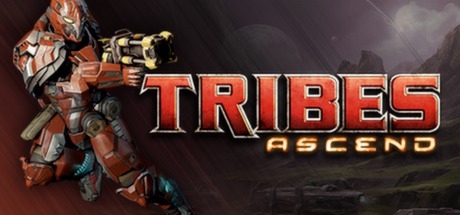
Tribes: Ascend leans hard into high-speed, jetpack-powered warfare on open maps — think strafing enemy bases at Mach 3 with disc launchers — while TF2 trades realism for cartoonish class-based chaos (yes, even with its mecha-adjacent Heavy’s minigun and Engineer’s sentry bots). Both score 83 and 80 respectively and share Tactical Warfare + Mecha & Military Sci-Fi vibes, but Tribes rewards precision movement and map control; TF2 rewards role synergy, hats, and yelling ‘MEDIC!’
What’s the best game like Knights of Sidonia if I want that isolated, survivalist space-colony vibe?
Go straight to Mr. Robot — it’s the closest match for that haunting, confined atmosphere. You’re Asimov, alone aboard the failing *Eidolon*, managing oxygen, power, and hostile systems while frozen colonists drift silently in cryo-bays. No flashy multiplayer or crafting loops (unlike Space Quest™ Collection or Supreme Commander); just quiet tension, retro pixel aesthetics, and that same ‘ship-as-character’ weight that makes *Knights of Sidonia* so gripping.