Warhammer® 40,000: Dawn of War® - Soulstorm
The third and final expansion to the genre-defining and critically-acclaimed RTS, Dawn of War. In Soulstorm, two new armies are introduced – Sisters of Battle and Dark Eldar - raising the total number of playable armies to nine.
🎮Game Details
💬What Players Say
"The definitive dawn of war experience...iiiiiiiiiif the definitive edition didn't release last year. Yeah, oops...."
"base game is peak as is but get yourself unification mod and it gets a million times better trust"
"One of the best RTS hands down. Game is well balanced while not being onerous. Resource acquisition is less a grind and more of a gameplay feature, which keeps the action fluid and engaging, giving my mammal brain a nice stream of dopamine release."
📝Editorial Analysis
The air in the ruins of Kaurava IV tastes like burnt promethium and ozone—sharp, metallic, final. You’re commanding a squad of Sisters of Battle as their vox-caster crackles with static-laced prayers mid-assault, while overhead, a Dark Eldar raidship tears through the stratosphere like a scythe drawn across God’s throat. Nine armies—nine—clash not for territory alone, but for doctrinal supremacy, for survival in a galaxy where hope is heresy and mercy is a tactical error. This isn’t just RTS pacing—it’s ritualized collapse, where resource acquisition isn’t a chore but a pulse: every captured relic site, every purged hive-block, every soul harvested from a dying world feeds the war-machine as breath feeds a lung. That’s what the player meant when they called it “fluid and engaging”—not smooth, but inevitable, like gravity in a collapsing star.
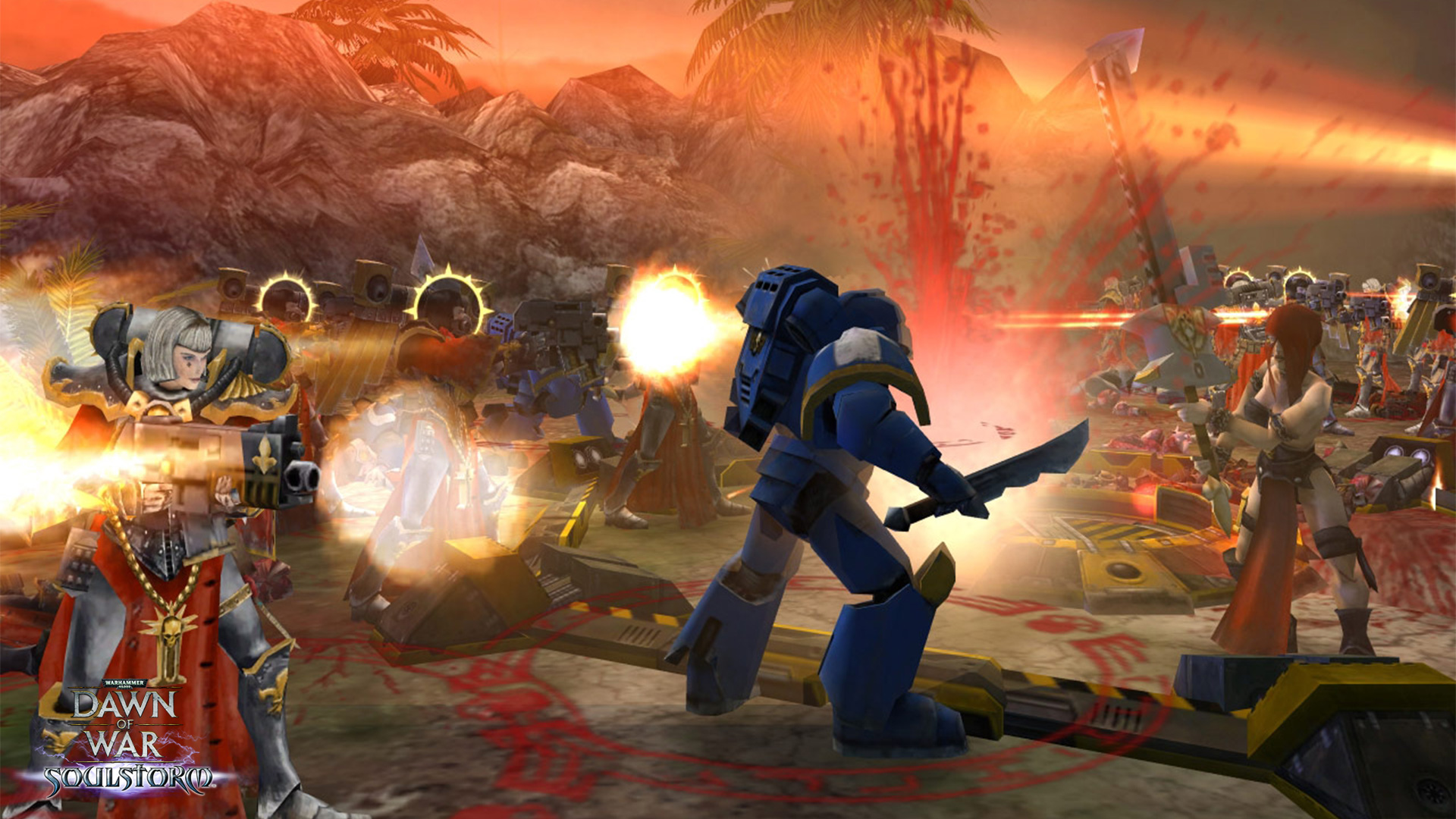
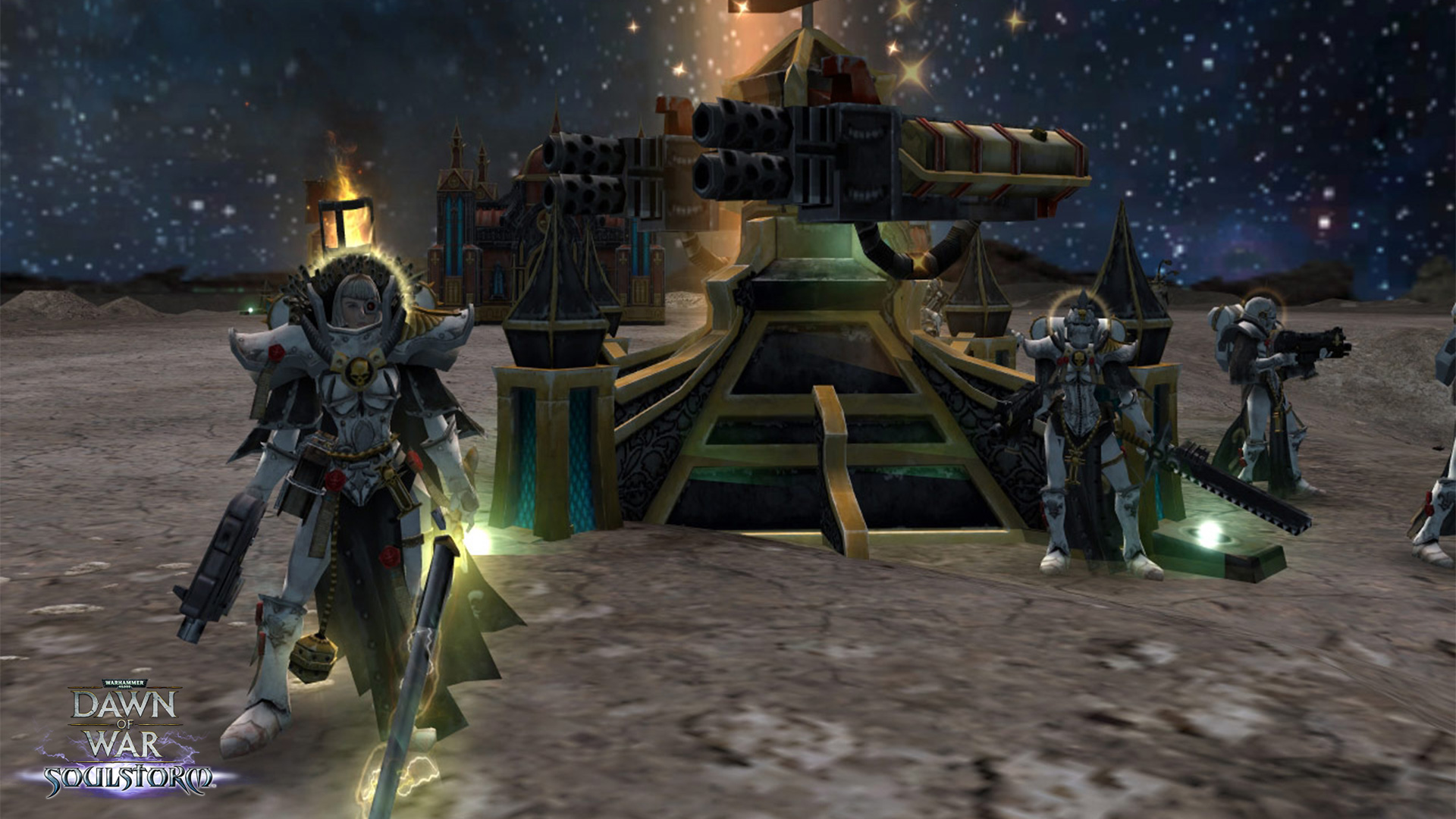
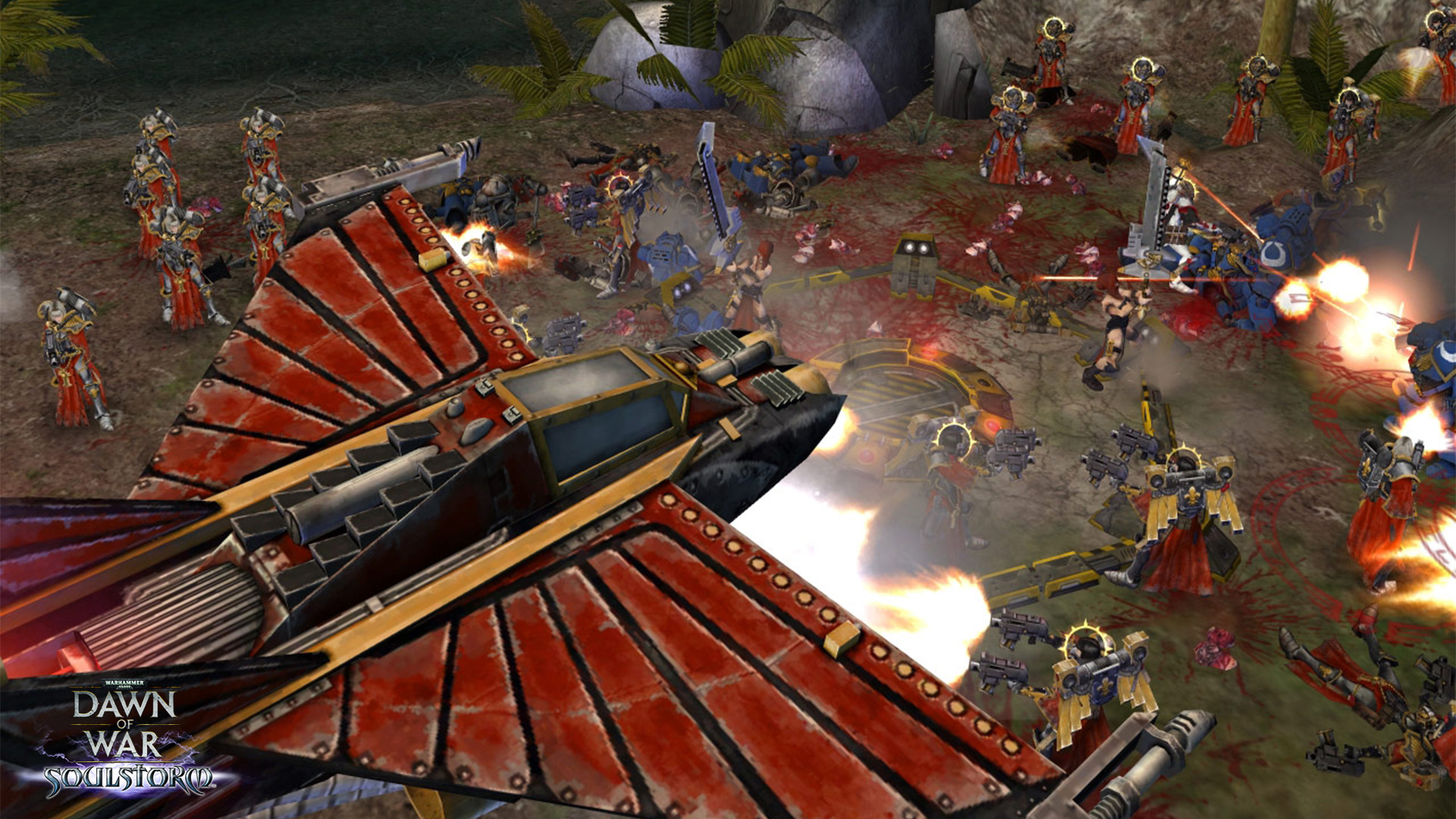
What makes Warhammer® 40,000: Dawn of War® - Soulstorm ache so deeply isn’t its grimdark iconography—it’s how it weaponizes scale against intimacy. You zoom from orbital bombardment down to a single Sister kneeling beside a fallen comrade, her rosarius glowing faintly as she recites the Canticle of Hate—not out of malice, but because this is all there is left to say. The game doesn’t ask you to believe in salvation; it asks you to sustain the rhythm of resistance, even as the odds calcify into certainty. It makes you feel small, yes—but also fiercely consequential, like striking one last match in a cathedral-sized void. There’s no triumph here, only continuance, and that’s why the balance feels “not onerous”: because fairness isn’t justice—it’s the fragile, shared grammar that lets nine irreconcilable ideologies collide without dissolving into noise.
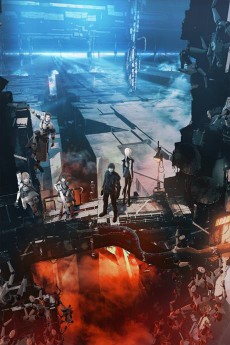
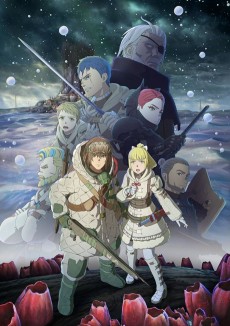
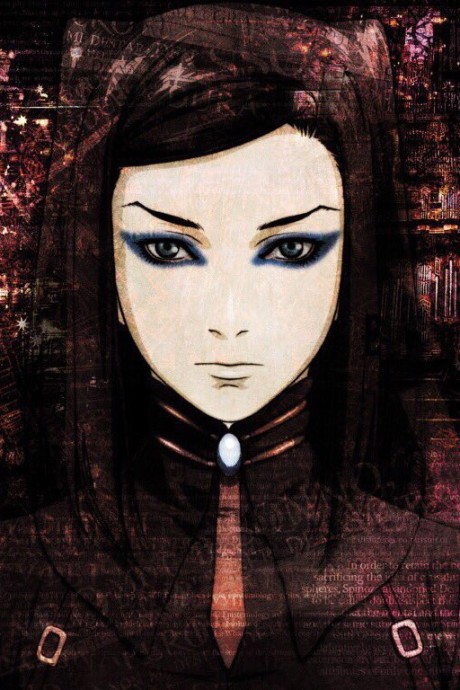
That same tension lives in Fire Force Season 3, where flame-wielding soldiers sprint through Neo-Kyoto’s skeletal skyscrapers—not to win, but to contain infernos that are both literal and theological. Its cyberpunk-dystopia isn’t chrome and neon; it’s ash-smeared respirators and salvaged circuitry grafted onto prayer beads. Like Soulstorm, every crafting decision—from reforging a fallen comrade’s gauntlet to repurposing a derelict reactor—is an act of defiant maintenance, not progress. Then there’s Patema Inverted, where gravity itself is a broken covenant: characters cling to inverted ceilings, scavenging rusted tech from a buried civilization while whispering hymns to forgotten suns. Its survival isn’t about ammo counts—it’s about orientation, about holding your body upright in a universe that refuses to mean anything—and that mirrors Soulstorm’s core dread: not death, but disorientation within doctrine. And Casshern Sins—oh, Casshern—where ruined androids wander a poisoned earth, burying their own kind with trembling hands, their memories glitching like corrupted vox-transmissions. Its survival isn’t logistical; it’s mnemonic, each crafted shelter or patched power cell a fragile bulwark against the erasure of meaning—just like Soulstorm’s resource nodes, which aren’t just points on a map but sites of contested memory: a cathedral turned armory, a monastery now a plasma forge.
This pairing isn’t for fans of “cool powers” or “epic battles.” It’s for the ones who pause mid-fight to watch a Sister of Battle kneel and kiss her blade before charging—not for drama, but because that gesture is the only thing holding back the silence. It’s for viewers who rewatch Planetarian’s final scene not for catharsis, but for the weight of a single, unbroken promise made in a dead library. It’s for players who install the Unification Mod not for better balance, but because they need the factions to speak the same broken language, even if only in shared exhaustion. These are stories for people who understand that in a universe where everything ends, the most radical act isn’t victory—it’s continuing to name things: “faith,” “duty,” “light,” “memory”—even as the stars gutter out. They don’t want hope. They want witness. And both Soulstorm and these anime give it—not as comfort, but as grit between the teeth.
→74 Anime That Match the Vibe
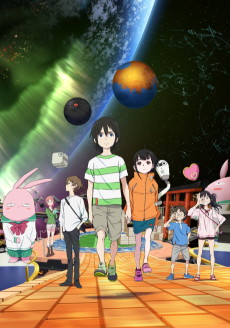
Both dive into neon-soaked futures where technology blurs the line between human and machine.

Both dive into neon-soaked futures where technology blurs the line between human and machine.
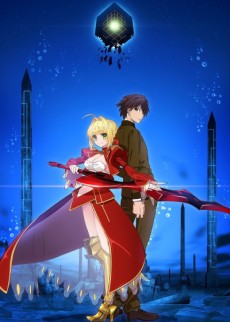
Both dive into neon-soaked futures where technology blurs the line between human and machine.
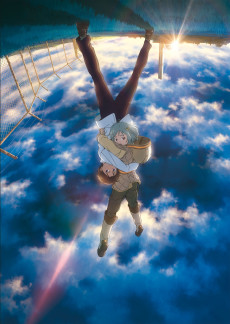
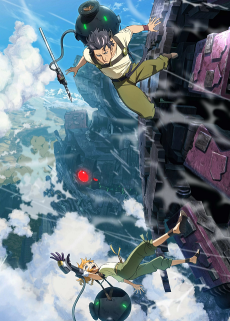
Patema’s inverted world—where gravity flips between surface and subterranean realms—mirrors Soulstorm’s fractured, vertical battlefields where Sisters of Battle storm cathedral spires while Dark Eldar raid from orbital shadows. Unlike most dystopias rooted in decay, both commit to *cyberpunk & dystopia* through layered architecture: Patema’s claustrophobic tunnels echo Dawn of War’s ruined hive-cities, each demanding spatial reorientation to survive. That shared tension—between oppressive enclosure and desperate vertical ascent—makes their resonance startlingly physical, not just thematic.

Both dive into neon-soaked futures where technology blurs the line between human and machine.

Soulstorm’s blistering Sister of Battle purges—flame-licked cathedrals collapsing under orbital bombardment—echo Shinra’s desperate sprint through Season 3’s crumbling Neo Kyoto, where every alleyway pulses with cyberpunk dread and flickering emergency lights. Unlike most dystopias that prioritize decay over defiance, both weaponize survival as sacred craft: Sisters forge faith into bolter fire; Shinra and Company 8 literally weld truth from wreckage. That shared insistence on *crafting meaning in the ash* makes their resonance startlingly visceral—not just aesthetic, but existential.
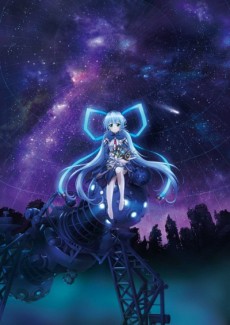
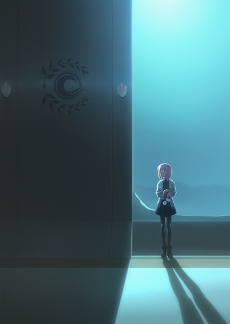
Hoshino Yumemi’s quiet, dust-choked planetarium—where she recites star lore to an empty dome for thirty years—echoes the Sisters of Battle’s grim liturgy amid Soulstorm’s irradiated wastelands. Unlike most dystopias that glorify resistance, both commit to *survival & crafting* as sacred ritual: Yumemi maintains obsolete projectors; the Sisters forge faith from scrap and blood. That shared reverence for fragile, handmade meaning in terminal decay feels startlingly tender—not despite the cyberpunk grit, but because of it.

Both dive into neon-soaked futures where technology blurs the line between human and machine.

Both dive into neon-soaked futures where technology blurs the line between human and machine.
Both dive into neon-soaked futures where technology blurs the line between human and machine.



































Match Dimensions Explained
❓Frequently Asked Questions
Why is Fire Force Season 3 recommended for Dawn of War: Soulstorm fans?
Because both lean hard into desperate, high-stakes survival amid crumbling dystopian worlds — like Fire Force's Tokyo burning under constant infernal attacks versus Soulstorm's Sisters of Battle holding fortified cathedrals against Dark Eldar raiders in the Maelstrom system. You’ll feel that same visceral urgency when Shinra’s ignition powers flare mid-battle just like when a Seraphim squad unleashes their blessed flamers in a last-stand chokepoint.
Is there an anime adaptation of Dawn of War: Soulstorm?
No — there’s never been an official anime adaptation of Soulstorm (or any Dawn of War title, for that matter). But if you’re craving that grim, resource-scarce, faction-vs-faction intensity, Casshern Sins nails it: think Lyuze’s quiet resilience mirroring a Sister Superior’s faith under siege, or the ruined cityscapes echoing Soulstorm’s war-torn planets like Kronus — all without needing licensed lore.
How does Patema Inverted compare to Planetarian for Soulstorm vibes?
Patema Inverted leans into tense, physics-defying survival — like navigating inverted gravity zones while evading patrols — which mirrors Soulstorm’s tactical map control and flanking via Dark Eldar raid paths. Planetarian, meanwhile, swaps action for haunting stillness and scarce resource management (that single working generator = your only refinery), hitting the same ‘desperate hope in decay’ note as a lone Imperial Guard squad defending a dying shrine-world.
What’s the best anime like Soulstorm if I want that ‘grim, faithful, and brutally efficient’ mood?
Angel’s Egg is your pick — its oppressive silence, religious iconography, and slow-burn dread (like the girl guarding the egg in a dead cathedral) channels the Sisters of Battle’s unwavering dogma and Soulstorm’s somber cutscenes where Inquisitors pronounce judgment over smoldering ruins. It’s not flashy RTS action, but it *feels* like the game’s soul: austere, reverent, and unflinchingly bleak.