X-COM: Enforcer
X-COM: Earth's top-secret eXtraterrestrial COMbat unit The Place: America - early 21st century The Mission: Eradicate the extraterrestrials Alien forces have invaded Earth and are terrorizing the population.
🎮Game Details
💬What Players Say
"Stupid, fun, and completely broken."
"It could have been an OK game without the XCom label, even then i would rate it a 5 maybe. But as a watered down XCom game, it is a 2/10 for me. Boring, repetetive, not worth your time...."
"this game sucks i love it"
📝Editorial Analysis
The screen stutters—just for a frame—as your character spins mid-air, firing wildly into a swarm of aliens on a rain-slicked Los Angeles overpass. Bullets spark off chrome railings; an alien’s chitinous arm snaps back like a rubber band before it collapses in a puff of pixelated smoke. You don’t know how you survived that last grenade blast. You don’t know why the HUD flickers green then purple. You just know the music is pounding, the controller is vibrating, and somewhere deep in your chest there’s a laugh bubbling up—not at the chaos, but with it. That’s X-COM: Enforcer: not strategy, not simulation, not even coherence—but stupid, fun, and completely broken, exactly as one player put it. It’s XCOM in name only, yes—but also something else entirely: a fever-dream of tactical warfare stripped to its most adrenalized, unmoored core.
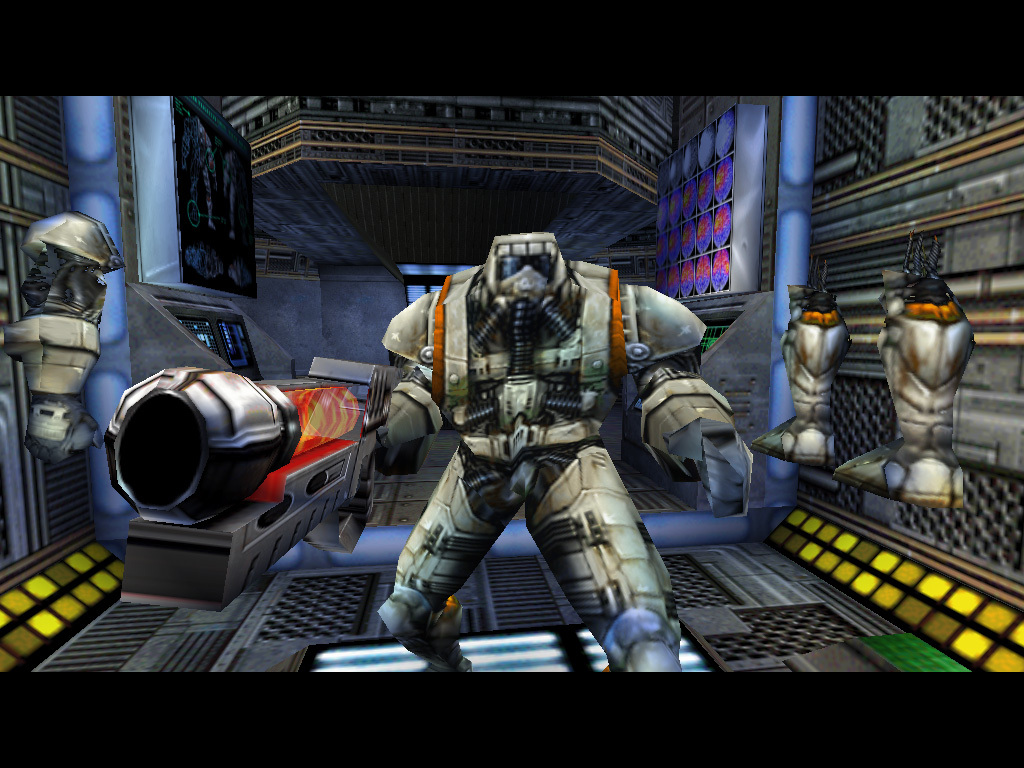
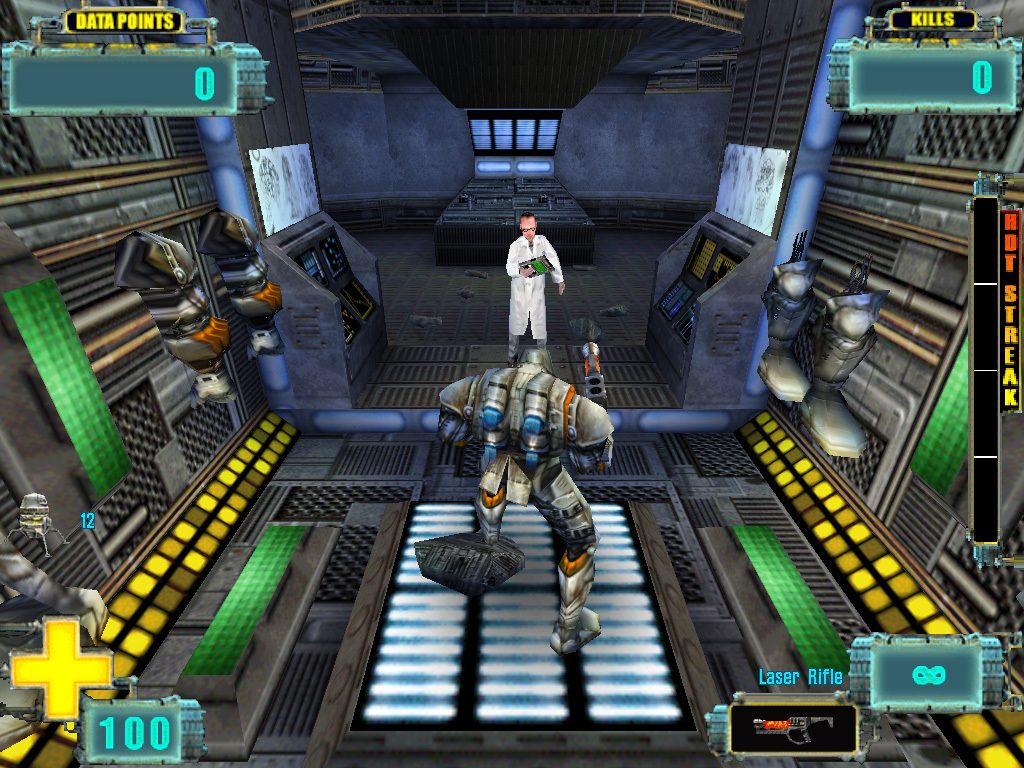
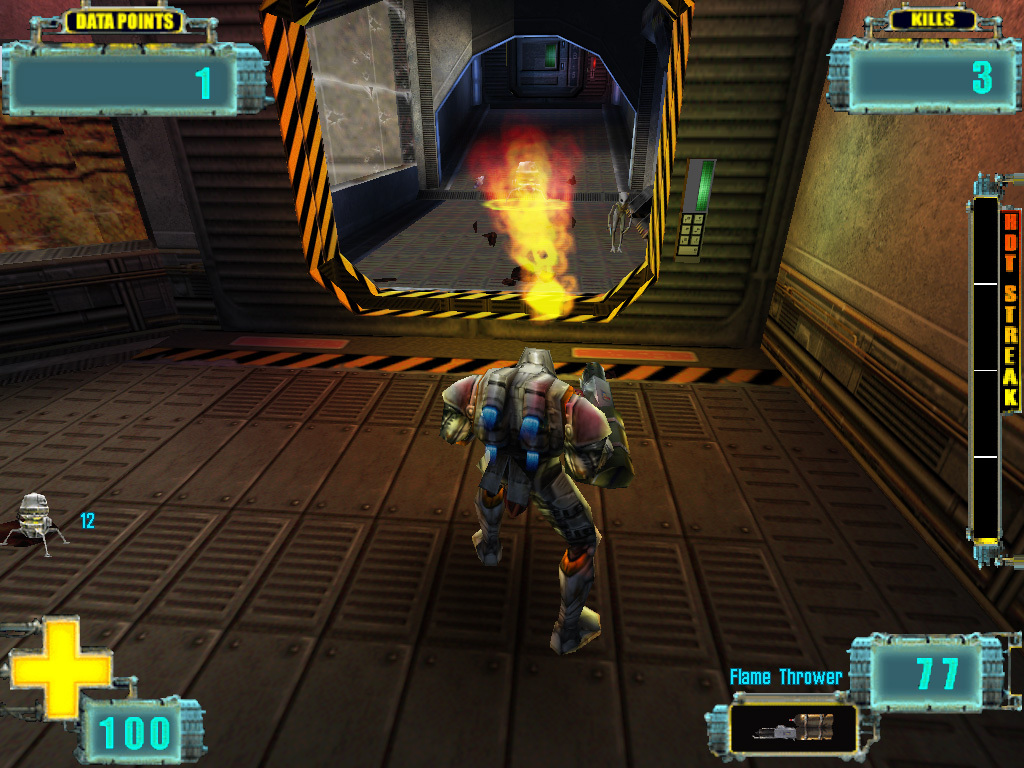
What makes this game’s atmosphere unique isn’t its sci-fi setting or its alien threat—it’s the delirium of commitment. You’re told you’re Earth’s top-secret eXtraterrestrial COMbat unit, operating in early 21st-century America—but the mission statement feels less like a briefing and more like a dare whispered through static. There’s no weight of consequence, no resource management, no squad cohesion—just velocity, repetition, and the thrill of surviving the next five seconds. It makes you feel unhinged, yet weirdly liberated: like you’ve been handed a firehose of action and told, “Aim anywhere.” It makes you think about how much emotional energy we pour into systems we know are failing—how joy can bloom in the stutter, how devotion forms around something that sucks… and yet you love it. That paradox—the simultaneous dismissal and embrace—is its true signature. Not polish. Not depth. Sincerity in the glitch.
That same electric dissonance lives in To Love Ru Darkness 2 Specials, where interstellar warfare erupts in high school hallways with zero tonal apology—aliens deploy tactical drones while characters flirt over bento boxes, all under the same shimmering, hyper-saturated lens. The Sci-Fi & Space and Tactical Warfare dimensions aren’t used for gravitas here; they’re springboards for absurd escalation, mirroring X-COM: Enforcer’s refusal to take its own stakes seriously—even as it fires relentlessly. Then there’s Gunbuster, where orbital combat sequences detonate with operatic scale and mechanical grit, yet the heart of the story pulses in quiet, human gestures—a clenched fist, a held breath before launch. Like Enforcer, it treats Tactical Warfare not as calculation, but as physical rhythm: the sync of movement, timing, and raw nerve. And World Trigger 2nd Season—with its precise, almost architectural choreography of border skirmishes—feels like what Enforcer might have been if someone had slowed it down, sharpened its edges, and kept the same relentless forward momentum: same Sci-Fi & Space scaffolding, same Tactical Warfare vocabulary, but swapped jitter for discipline—yet both radiating the same fierce, unapologetic focus on action as identity.
Who loves these pairings? Not the strategist who maps cover angles before breakfast. Not the lore archaeologist cross-referencing alien taxonomy spreadsheets. It’s the person who rewinds the exact same 12-second gunfight three times—not to optimize, but to feel the recoil again, to catch the way light fractures off a plasma bolt in Advent Children, or how Macross’s Valkyrie transforms mid-dive with a sound design that vibrates in your molars. It’s the viewer who watches Gunbuster’s final charge and doesn’t blink—not because it’s profound, but because their pulse has synced to the beat of the engine roar. It’s the player who boots up X-COM: Enforcer, accepts the stutter, leans into the brokenness, and grins—not despite the mess, but because of it. They don’t want realism. They want resonance: that rare, humming frequency where sci-fi spectacle, tactical urgency, and sheer, unfiltered joy lock into perfect, glorious phase.
→27 Anime That Match the Vibe

A neon-drenched alien incursion in downtown Los Angeles—X-COM: Enforcer’s relentless, low-altitude gunplay—meets the absurdly choreographed hallway skirmishes of Rito Yuuki dodging Momo’s gravity-defying attacks in *To Love Ru Darkness 2nd Specials*’ slapstick climax. Unlike most sci-fi action, both weaponize tactical warfare as comedic rhythm: cover-based shooting and harem-chaos physics alike treat spatial awareness as punchline infrastructure. That shared 🚀 Sci-Fi & Space setting isn’t backdrop—it’s the unstable terrain where competence and catastrophe collide with identical, exhilarating velocity.

Gunbuster’s final dive into the black hole—Noro’s trembling hands gripping the Buster Machine’s controls as Earth shrinks to a blue speck—mirrors Enforcer’s lone operative sprinting through neon-drenched ruins under alien fire. Unlike most tactical sci-fi, neither flinches from the visceral weight of space warfare: one weaponizes relativistic time dilation and maternal sacrifice, the other turns urban combat into kinetic ballet against biomechanical invaders. This resonance in 🚀 Sci-Fi & Space isn’t about scale—it’s how both locate humanity’s grit in the razor’s edge between annihilation and acceleration.

Osamu Mikumo’s quiet intensity during Border’s rapid-response drills mirrors the lone Enforcer cutting through alien hordes in neon-drenched cityscapes—both weaponize precision under pressure. Unlike most tactical sci-fi, *World Trigger* 2nd Season leans into procedural rigor of border defense while *X-COM: Enforcer* revels in kinetic chaos; yet both anchor their 🎯 Tactical Warfare in grounded, almost bureaucratic stakes—alien incursions treated less as apocalypses than persistent infrastructure failures. That friction between discipline and mayhem makes their resonance unexpectedly sharp.
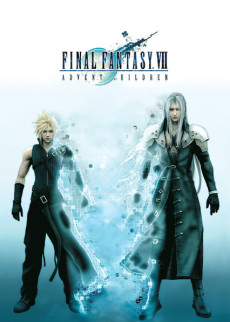
A lone X-COM Enforcer carving through neon-drenched city ruins echoes Cloud Strife’s solitary sprint across Midgar’s rain-slicked highways in *Advent Children*’s opening chase—both weaponized isolation framed by crumbling urban sci-fi. Unlike most tactical shooters or fantasy films, neither work romanticizes command; instead, they channel raw, almost desperate agency through lone operatives confronting systemic collapse—Geo-stigma’s biological dread mirroring the alien contagion’s existential threat. This resonance in **Sci-Fi & Space**-infused urban decay makes their shared bleakness feel startlingly intimate, not apocalyptic.

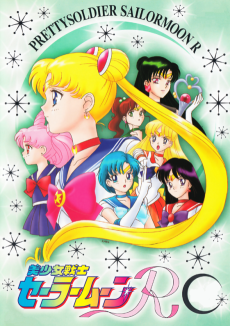
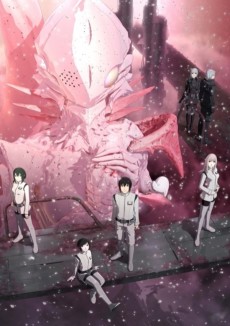
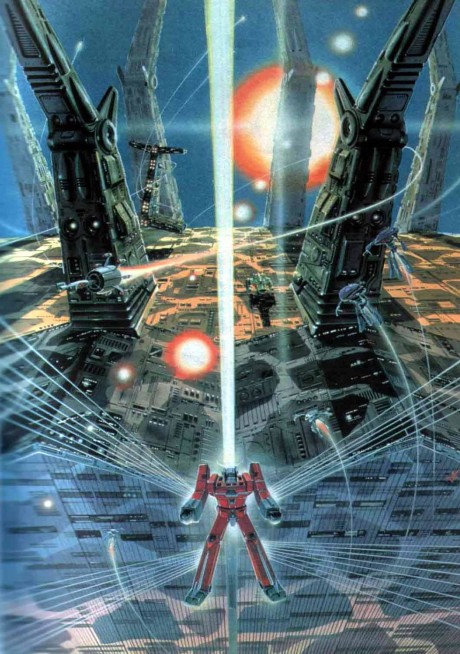
Connected through 2 aesthetic dimensions.


Connected through 2 aesthetic dimensions.

Connected through 2 aesthetic dimensions.
Connected through 2 aesthetic dimensions.
Connected through 2 aesthetic dimensions.












Match Dimensions Explained
❓Frequently Asked Questions
Why does To Love Ru Darkness 2 Specials show up in 'Anime Like X-COM: Enforcer' lists?
Because it nails that same chaotic, over-the-top sci-fi combat energy — think Rito’s flailing against alien agents in the school gym or the Black God Squad’s slapstick-yet-lethal takedowns, all wrapped in tactical framing and sudden enemy ambushes. It’s not about strategy like classic X-COM, but shares Enforcer’s love of flashy, physics-defying gunplay + alien threats in mundane modern Japan — just with way more fan service and zero stuttering.
Is there an anime adaptation of X-COM: Enforcer?
Nope — zero official anime adaptations exist. X-COM: Enforcer was a standalone, critically panned PS2/Xbox TPS with no manga, light novel, or anime spin-offs. But fans *have* retroactively matched its vibe to shows like World Trigger 2nd Season — especially scenes where Yūma’s Trion-based squad coordination mirrors Enforcer’s cover-shooting chaos during Tokyo street battles against Neighbourhood-class invaders.
How does World Trigger 2nd Season compare to Gunbuster for X-COM: Enforcer fans?
World Trigger leans into grounded, squad-level tactics — like Yūma’s ‘Blast’-fueled flanking maneuvers or Kazama’s precise barrier deployment during border skirmishes — which echoes Enforcer’s cover-and-peel gameplay (if it ran smoothly). Gunbuster, meanwhile, goes full operatic: think Noriko’s final dive into the space fortress, all slow-mo explosions and desperate last stands — closer to Enforcer’s bombastic, 'stupid fun' climax than its actual mechanics.
What’s the best anime like X-COM: Enforcer if I want that same 'broken but addictive' energy?
Go straight to Macross — specifically the SDF-1’s improvised urban warfare in Episode 15, where civilian mecha scramble through collapsing cityscapes while singing pop songs mid-battle. It’s got Enforcer’s tonal whiplash: serious alien invasion stakes undercut by absurd charm, zero realism, and that same 'this shouldn’t work but I can’t stop watching' rush — just with better frame rates and way more jazz.