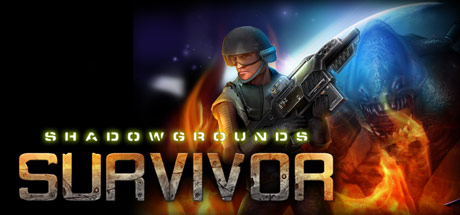
Shadowgrounds Survivor
Surviving is only half the game. The award-winning atmosphere and gameplay mechanics of the original Shadowgrounds make a triumphant return in this spin off/sequel armed with a slick new feature set! Shadowgrounds Survivor tells the story of the last remaining humans on Jupiter's moon Ganymede, where the alien onslaught is in full force.
🎮Game Details
💬What Players Say
"While I enjoyed my 5 hours playing it, I find it hard to recommend this game to anyone. If you played Shadowgrounds, and didnt like it, you likely wont like this one as well. It is sliiightly better gameplay vise, because I think some AI got improved slightly, enemy placement were harder to fight off, but that could be because I played on hard difficulty this time instead of normal...."
📝Editorial Analysis
The airlock hisses open—not with triumph, but with a low, wet shudder, like something breathing inside the metal. You’re standing on Ganymede, Jupiter’s largest moon, and the only thing between you and vacuum is a flickering HUD, a rifle that jams if you fire too fast, and the memory of everyone else gone. Not dead in a clean way—gone. The official description says it plainly: “Surviving is only half the game.” And the player review nails the quiet ache beneath it: five hours played, hard to recommend—not because it’s broken, but because it refuses to flinch. It doesn’t offer catharsis. It offers weight: the weight of atmosphere so thick you taste rust and ozone, the weight of mechanics that demand attention, not mastery—the reload timing, the ammo scarcity, the way light bleeds weakly across cracked cryo-tubes while something skitters just beyond your peripheral vision.
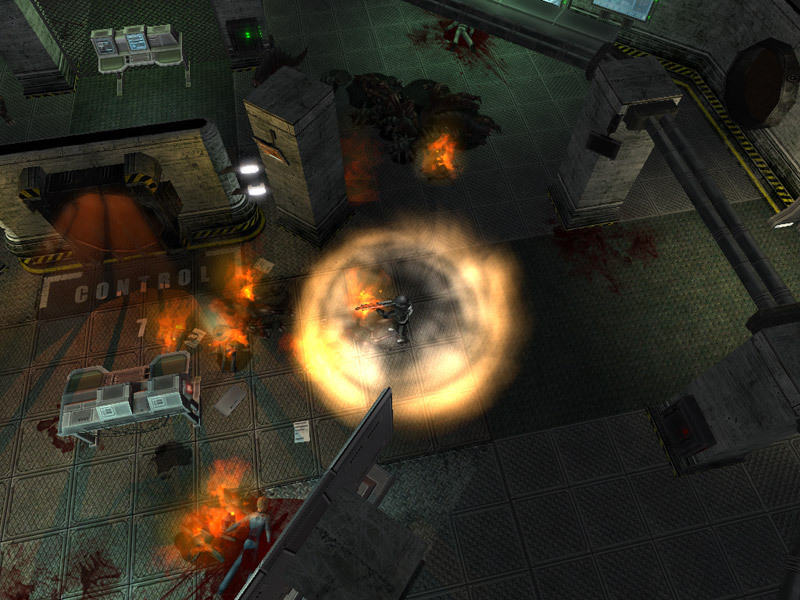
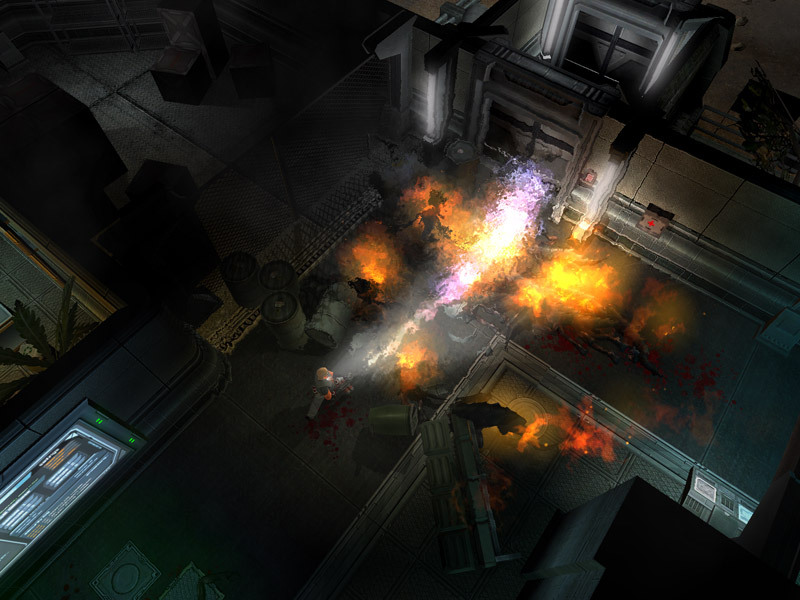
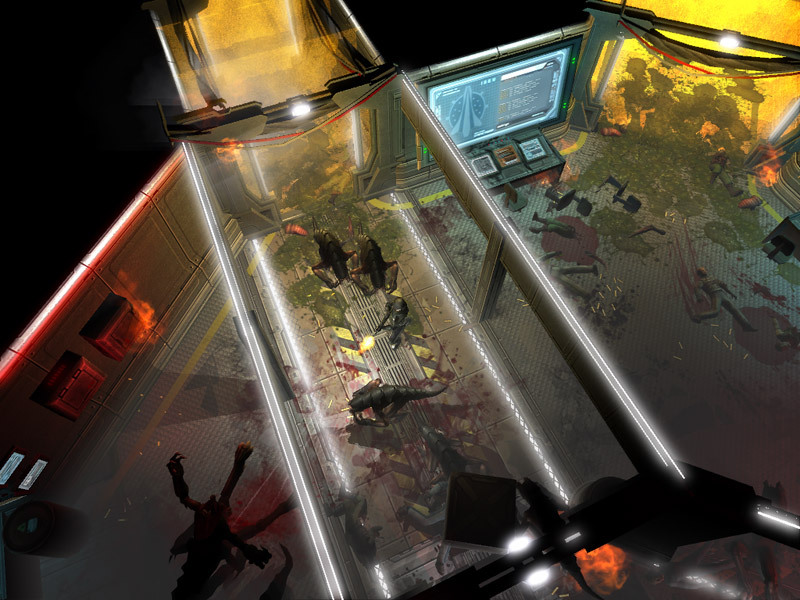
That’s the feeling: claustrophobic awe. Not fear of dying—but dread of outlasting. This isn’t about heroics. It’s about the hum of failing life support, the grainy static of comms cutting out mid-sentence, the way your boots stick slightly on floor grates slick with something unidentifiable. The original Shadowgrounds built this tone like architecture—cold, precise, functional—and Shadowgrounds Survivor doesn’t soften it. It deepens it. You don’t feel like a soldier; you feel like the last technician left to jury-rig salvation from scrap and instinct. There’s no grand strategy map, no squad banter—just you, your breath in the helmet mic, and the slow, grinding realization that survival isn’t a state. It’s a verb, repeated under pressure, again and again, until your hands stop shaking—or stop caring.
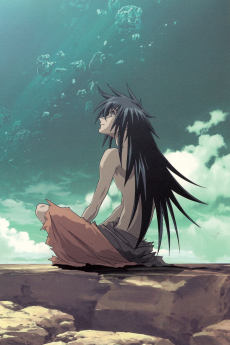
Which is why Getter Robo: Armageddon lands with such brutal resonance. Its sci-fi setting isn’t backdrop—it’s geology: frozen craters, buried ruins, gravity wells that twist bone and machine alike. Like Survivor, it trades spectacle for consequence: every transformation scars the pilot’s body, every battle leaves wreckage that matters. The shared dimensions—Sci-Fi & Space, Survival & Crafting, Body Horror & Occult—aren’t checkboxes. They’re textures: the way Getter’s armor cracks open to reveal pulsing organic circuitry mirrors Survivor’s biomechanical enemies oozing from maintenance ducts. Both refuse the clean line between tool and wound.
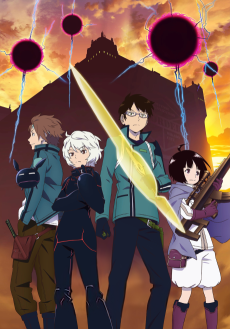
Then there’s World Trigger 2nd Season, where tactical warfare isn’t about firepower—it’s about terrain as liability. The B-Rank battles in Mikado City echo Ganymede’s claustrophobia: narrow corridors, shifting gravity fields, enemies that exploit blind spots you created by overextending. The “Crafting” dimension here isn’t inventory management—it’s real-time adaptation: recalibrating Trion output mid-engagement, rerouting shield harmonics when a wall collapses. Like Survivor, it treats space as hostile architecture—not a stage, but an opponent that listens.
And Terra Formars, whose icy Martian tunnels and grotesque, adaptive biology make Ganymede feel almost hospitable by comparison. Here, survival isn’t measured in ammo counts—it’s in biological debt. Every upgrade comes with rejection fever, every victory risks mutation. The shared Body Horror & Occult isn’t gore for shock; it’s the slow horror of your own physiology turning unreliable—like Survivor’s weapon jams or suit breaches that don’t trigger alarms until your oxygen drops below 18%. Both force you to ask: how much of “you” can erode before survival becomes indistinguishable from infection?
This pairing isn’t for the lore-hungry or the power-fantasy seeker. It’s for the person who replays the same corridor three times—not to beat it, but to understand its rhythm: where the light catches dust just right, where the enemy pauses exactly 0.4 seconds before lunging, where the sound design drops to near-silence so you hear your own pulse sync with the generator’s thrum. It’s for the viewer who rewinds Star Blazers: Space Battleship Yamato 2199 not for the Yamato’s charge, but for the quiet shot of crew members silently checking each other’s suits before EVA—fingers lingering on seals, eyes avoiding eyes. That’s the heart of it: the tremor before action, the dignity in exhaustion, the profound, aching respect for systems—mechanical, biological, social—that hold just long enough. Not to win. But to breathe. Just once more.
→63 Anime That Match the Vibe

Connected through 3 aesthetic dimensions.
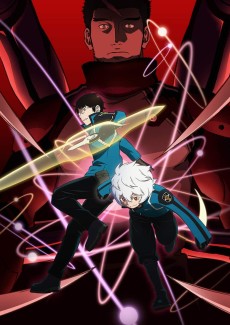
Osamu Mikumo’s quiet intensity during Border’s cramped, high-stakes tactical briefings mirrors the lone survivor’s tense resource management in Shadowgrounds Survivor’s flickering command bunkers. Where Season 2 deepens *World Trigger*’s emphasis on real-time spatial awareness and adaptive gear deployment—like Yūma’s rapid Trion recalibration—Survivor demands split-second decisions amid collapsing infrastructure and scavenged tech. This shared pulse of **Tactical Warfare**, rooted in constrained environments and escalating alien threats, makes their synergy unexpectedly visceral: not just sci-fi spectacle, but pressure-cooked competence under siege.

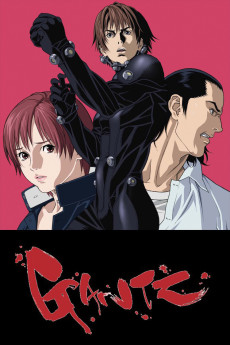
Ryoma Nagare’s claustrophobic cell—cold steel, flickering fluorescents, the dread of reanimation—mirrors the flickering emergency lights aboard Shadowgrounds Survivor’s derelict research station. Where Armageddon weaponizes body horror through Saotome’s grotesque resurrection and mutating flesh-metal hybrids, the game forces players to scavenge, patch wounds with makeshift biogel, and watch allies dissolve into twitching biomass—sci-fi survival as visceral, unrelenting decay. That shared obsession with *crafting* identity amid biological collapse makes their resonance unnervingly precise.
Connected through 3 aesthetic dimensions.
Connected through 2 aesthetic dimensions.

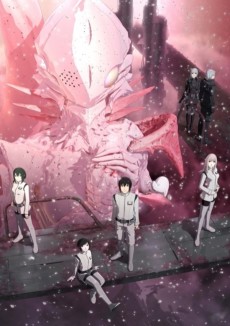
Mars’ rust-colored dust chokes the air in *Terra Formars*’ opening colonization sequence—just as it clogs vents and obscures vision during *Shadowgrounds Survivor*’s claustrophobic bunker breaches. Where cockroach-mutated astronauts writhe with biomechanical horror, the game’s infected corridors pulse with identical body horror: limbs snap, carapaces split, and survival hinges on tactical reload timing amid flickering emergency lights. This shared sci-fi survival tension—rooted in visceral, grounded dread rather than spectacle—makes their resonance startlingly coherent, not coincidental.

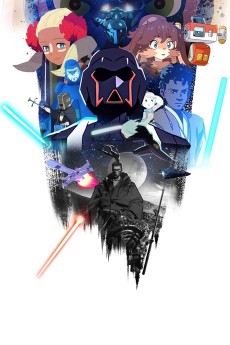
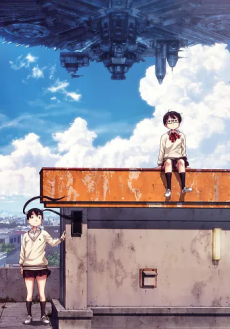
That desperate scramble to jury-rig a plasma cutter from scrap in *Shadowgrounds Survivor*’s derelict mining outpost echoes the Loser Rangers’ frantic, duct-tape-and-dreams weapon repairs in Episode 7—where sci-fi isn’t just backdrop but raw material for survival. Unlike most action-comedies that treat crafting as gag, both commit: survival isn’t abstract—it’s tactile, urgent, and deeply tied to space-bound isolation. The resonance feels surprising precisely because one leans into grimy, atmospheric dread while the other winks through absurdity—yet both root their sci-fi stakes in the same tangible, hands-on struggle.

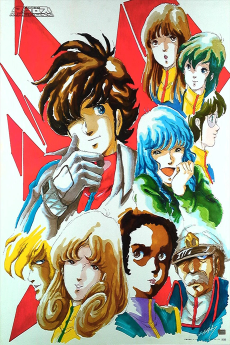
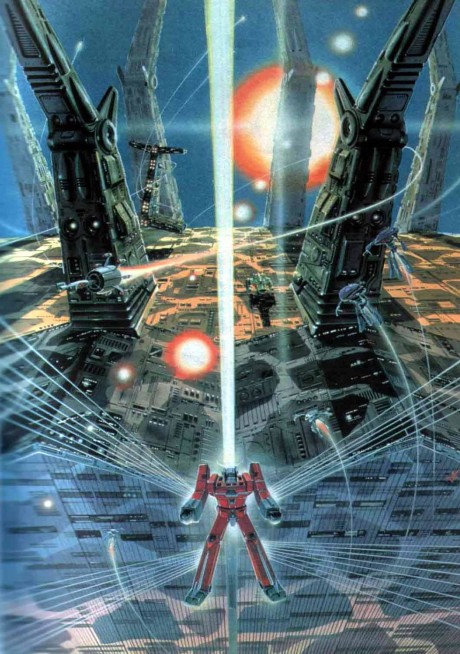
Desperation hums in the flickering lights of Yamato’s damaged bridge—just as it does in Shadowgrounds Survivor’s claustrophobic, ammo-scarce corridors. Where 2199’s crew races to retrofit a WWII battleship into a deep-space ark amid collapsing life-support systems, the game’s survivors scavenge and jury-rig weapons under relentless alien assault—both embodying 🛠️ Survival & Crafting as visceral, high-stakes necessity. That shared tension—between human ingenuity and imminent collapse—makes their resonance startlingly grounded, not grandiose.
Connected through 2 aesthetic dimensions.

Connected through 2 aesthetic dimensions.








































Match Dimensions Explained
❓Frequently Asked Questions
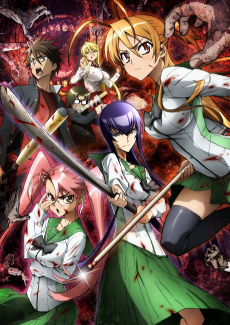
Why is Terra Formars recommended for Shadowgrounds Survivor fans?
Because both drop you into a desperate, claustrophobic survival scenario on an alien world—Terra Formars’ Mars base siege mirrors Ganymede’s crumbling human outpost, especially during the cockroach-infested lab breaches where characters like Nanao and Kureha scramble to craft makeshift weapons while dodging body-horror mutations. The game’s tense resource scavenging and sudden swarm attacks line up perfectly with Terra Formars’ brutal, no-second-chances pacing.
Is there an anime adaptation of Shadowgrounds Survivor?
No—Shadowgrounds Survivor has never been adapted into an anime. It’s a Finnish indie FPS from 2007, and while it inspired niche anime matches like Getter Robo: Armageddon (thanks to its Jupiter-moon setting and grotesque biomechanical enemies), there’s zero official manga, OVA, or series based on it. Fans looking for that vibe should stick to the curated list—especially World Trigger’s 2nd Season, with its Ganymede-like orbital defense ops and tactical squad crafting.
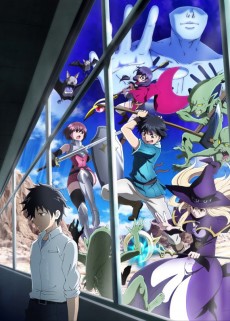
How does World Trigger 2nd Season compare to Shadowgrounds Survivor in terms of gameplay feel?
World Trigger’s 2nd Season nails the same high-stakes, gear-dependent tension—think Yūgo’s Trion-powered traps and Kitora’s rapid-fire sniping mirroring Survivor’s real-time weapon swapping and ammo conservation during Ganymede’s reactor meltdown sequence. Both force split-second decisions under pressure, whether you’re reloading mid-swarm or deploying a barrier just before a B-Rank breach.
What’s the best anime like Shadowgrounds Survivor if I want that grim, isolated space-survival vibe?
Getter Robo: Armageddon—it’s your top match at 74%. The ruined lunar colony scenes, grotesque bio-mechanical foes like the Mantis-class invaders, and protagonist Ryo’s solo last-stand moments in the derelict Ark ship hit *exactly* the same notes as Survivor’s Ganymede outpost collapse. Even the oppressive synth score and flickering emergency lights feel ripped from the same survival-horror playbook.