X3: Terran Conflict
It is the year 2938. The long wished-for encounter of the X Universe and the Earth holds both joy and sorrow for the people. Despite flourishing trade, the clash of the diverse races, cultures and life forms creates new tensions, mistrust and open conflict that need to be overcome!
🎮Game Details
💬What Players Say
"Egosoft is 12 german dudes in a trenchcoat who love space as a concept first and design games as a distant afterthought. Lots of 'vibes' here. Cool background music and great ship designs to drool over...."
"Really didn't have fun with this one, and honestly, it's probably my bad for not having touched this one for over a decade after it released. Either way, it looked fun, but I was disappointed."
"[h3]Victory or dead is dead[/h3] Immersive sand box-esque space sim, build a galactic merchant fleet or become an ace pilot hunting xenon across the known galaxy. Heavy time sink's assigned to some achievements. Dead is dead requires you to play defensively, as your save is loaded into cloud & is deleted on death...."
📝Editorial Analysis
You’re alone in the cockpit of a battered M3 frigate, drifting just outside the asteroid belt of Argon Prime. The hum of your ship’s reactor is a low, steady thrum beneath your ribs. On the main display, trade routes pulse like slow capillaries—blue for Terran, green for Boron, red for Paranid—while distant sensor ghosts flicker: a Xenon patrol, a drifting derelict, a freighter blinking “Cargo Available” in soft amber. There’s no mission marker. No voiceover urging you forward. Just silence, scale, and the quiet weight of 2938—a year that feels less like a date and more like a sigh. The official description calls it “the long wished-for encounter of the X Universe and the Earth”—joy and sorrow, flourishing trade and open conflict—and in this moment, you feel both at once: the awe of arrival, the ache of distance, the loneliness of being one human node in a galaxy built by twelve German dudes who love space as a concept first, and design as a distant afterthought. You’re not saving anyone. You’re not even sure what “victory” looks like. You’re just here, listening to cool background music while staring at ship designs you could drool over for hours.
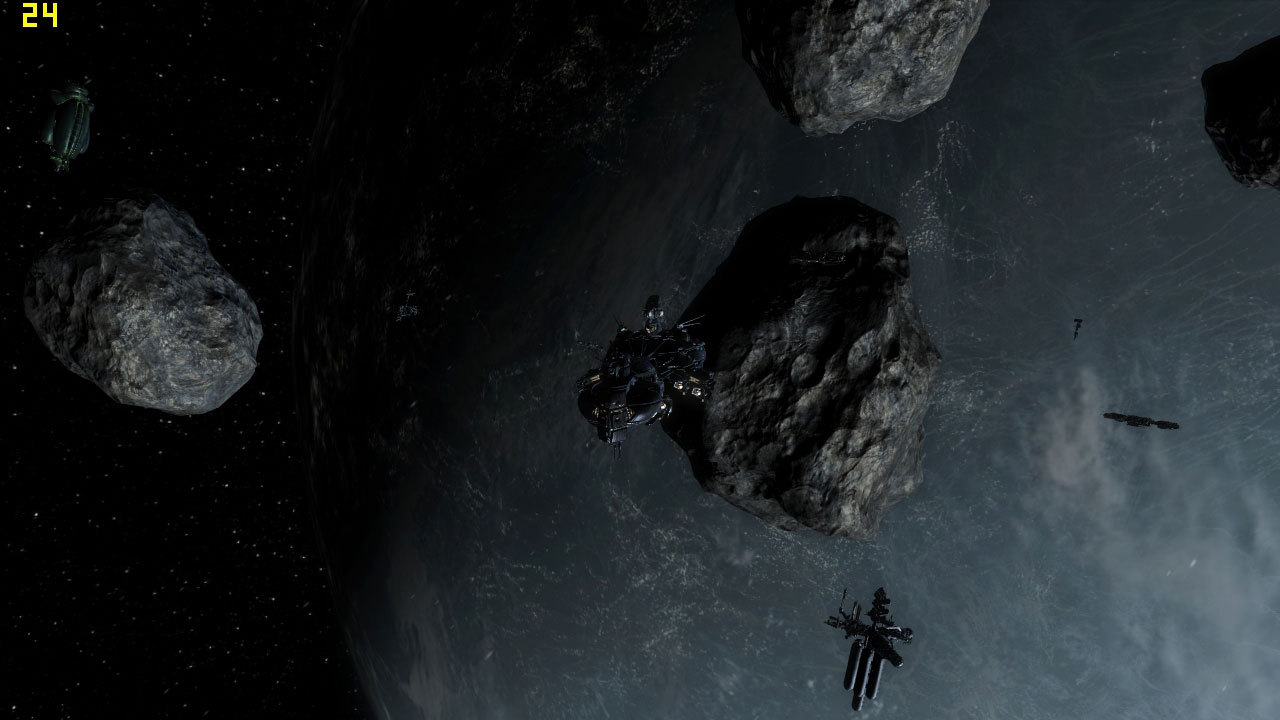
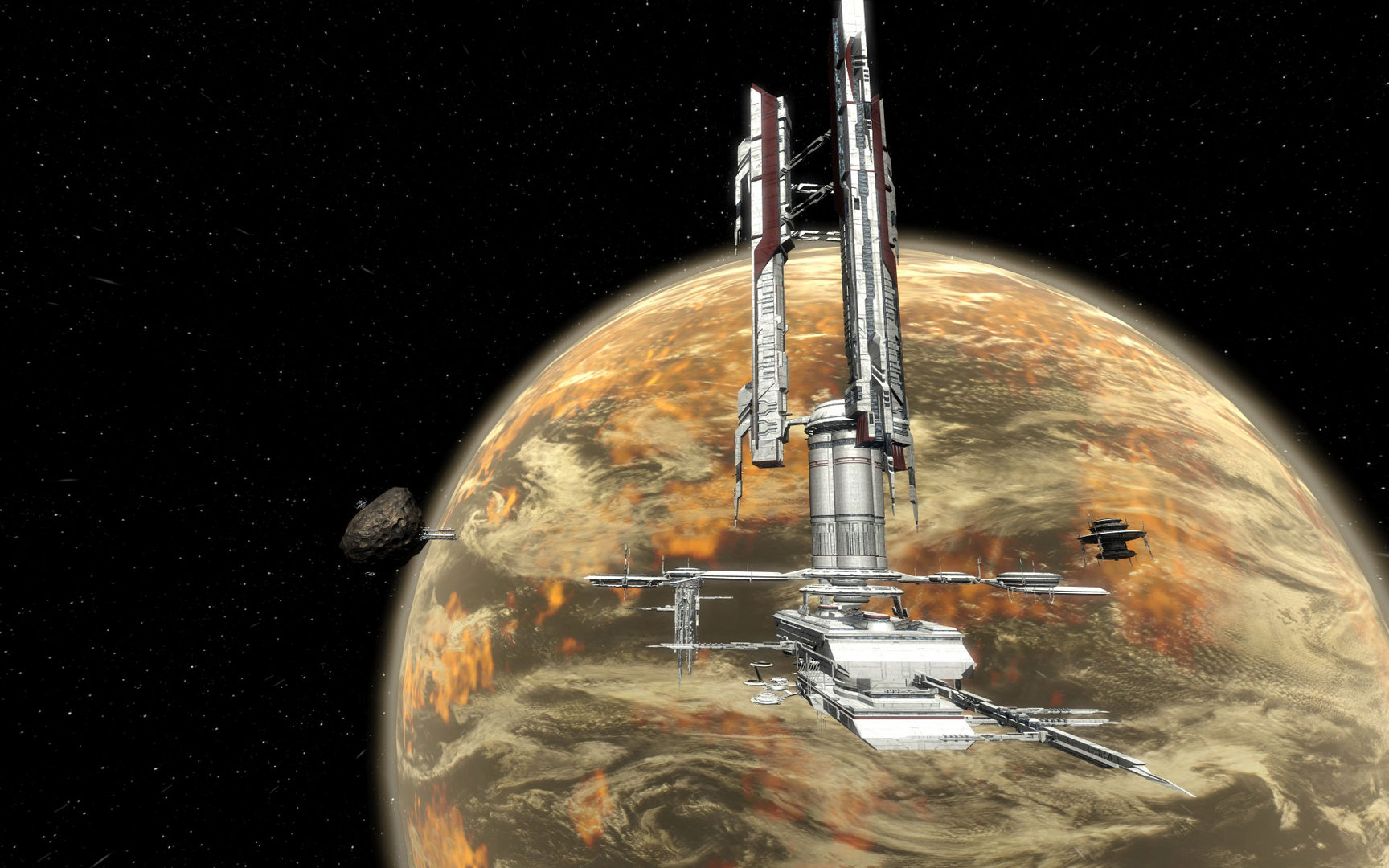
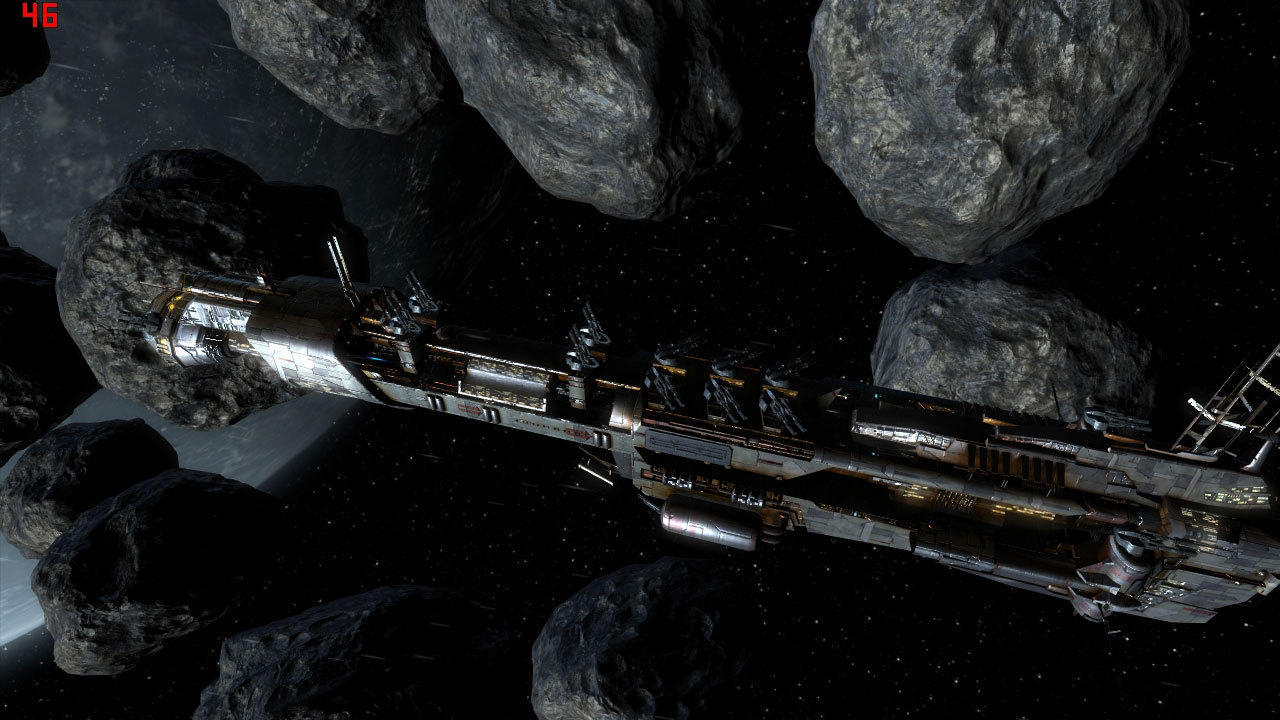
What makes X3: Terran Conflict vibrate with such a singular frequency isn’t its economy or its combat—it’s the melancholic exploration baked into its bones. This isn’t about conquest or clarity. It’s about moving through a universe that feels lived-in but not explained, where cultures clash not in cutscenes but in subtle trade tariffs, diplomatic radio static, and the way a Teladi freighter will refuse docking rights if your reputation dips below “tolerated.” Time sinks aren’t chores here—they’re rituals. Building a galactic merchant fleet means watching cargo prices shift across sectors like weather patterns; hunting Xenon means learning their patrol rhythms like migratory birds. There’s no hand-holding, no narrative scaffolding—just immersion so deep it borders on existential. You don’t play the game so much as you inhabit its quiet, stubborn vastness. It makes you think about scale—not in gigabytes or light-years, but in silence, in delay, in the sheer, beautiful indifference of stars that don’t care if you succeed or fail. Victory or dead is dead—and in that phrase, there’s no triumph, only finality, and the profound relief of not yet.
That same emotional DNA pulses through Children of the Sea, where the ocean isn’t a setting but a breathing, ancient consciousness—and the protagonist doesn’t master it, he watches, listens, drifts alongside its rhythms. Like X3: Terran Conflict, it trades exposition for atmosphere, letting melancholy accumulate in wide shots of water, in the weight of unspoken history, in the feeling that wonder and sorrow are two sides of the same cosmic coin. Then there’s Blood Blockade Battlefront & Beyond, which mirrors the game’s layered cultural friction: not as war, but as overlapping bureaucracies, clashing slang, and street-level tension between species who share airspace but not understanding—just like Terrans trading cautiously with Paranid under the shadow of old grudges. And Space Dandy 2, with its nonchalant cosmic scale and recurring motif of ships adrift in neon voids, captures the same vibe: a universe so big and strange that heroism feels absurd, and the most meaningful act is simply keeping the engines warm while humming along to cool background music.
This is for the person who replays the opening sequence of Children of the Sea just to sit with the underwater light, who rewinds Blood Blockade Battlefront & Beyond to hear the layered chatter of Liberdade’s markets, who leaves X3: Terran Conflict running overnight—not to grind, but to watch their freighters blink across the sector map like fireflies. It’s for the one who finds comfort in systems that don’t explain themselves, who loves ship designs like poetry, who hears “2938” and feels the weight of time, not as a countdown, but as a texture. Not the player who needs a quest log—but the one who treasures the hum of the reactor, the flicker of a distant beacon, the quiet, melancholic certainty that somewhere out there, a Boron trader is haggling over silicon, a Xenon swarm is turning, and the universe keeps spinning—indifferent, immense, and so very beautiful.
→16 Anime That Match the Vibe
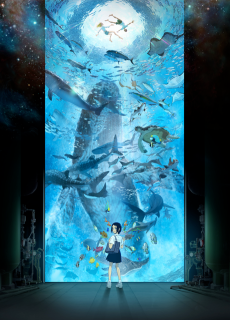
Umi and Sora’s weightless, silent dives into the ocean’s abyss mirror the X3: Terran Conflict player’s solitary drift through asteroid fields—both evoke 🌿 Melancholic Exploration as a visceral, embodied rhythm of discovery and loss. Where Earth’s first contact in 2938 brings bureaucratic tension and quiet grief beneath galactic trade routes, Ruka’s summer unfolds with hushed awe at beings who remember oceans older than humanity. This pairing surprises by treating vastness—not as spectacle, but as intimate, sorrow-tinged wonder shared across sea and star.

Connected through 2 aesthetic dimensions.

A drifting Terran freighter in X3’s silent Kuiper Belt—hull scarred by pirate fire, comms static hissing empty frequencies—echoes the OVA’s final shot of Rito adrift in zero-G, clutching Momo’s broken hairpin as the *Darkness* fleet recedes. Unlike most sci-fi romances, both weaponize 🌿 Melancholic Exploration: the game through bureaucratic trade logs masking colonial grief, the OVA via Rito’s quiet panic when Lala’s laugh fades mid-transmission from a dying satellite. That shared ache—space as archive of longing, not conquest—makes their resonance startlingly tender.

That flicker of neon-lit despair when Leonardo watches the Hollows bleed into Manhattan’s rebuilt skyline mirrors the quiet grief aboard a Terran freighter drifting past Earth’s orbital ruins. 🌿 Melancholic Exploration binds them—not just in loss, but in how both *X3: Terran Conflict* and *Blood Blockade Battlefront & Beyond* treat cosmic rupture as intimate, lived dislocation: one through silent jump-gate static, the other through K.K.’s cigarette smoke curling past a fractured dimensional seam. Surprisingly tender, their shared ache feels less like spectacle and more like breathing in a universe that’s already broken—and still trading, still guarding, still trying.
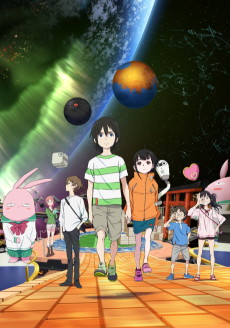
Connected through 2 aesthetic dimensions.
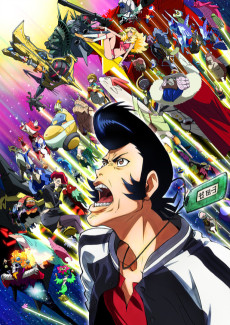
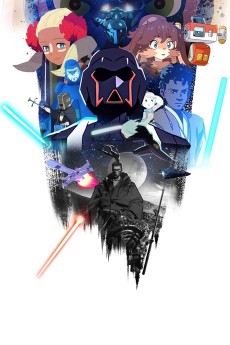
That wistful shot of Dandy floating alone beside a derelict Terran freighter in Season 2’s “The Last Starfighter in the Universe” mirrors X3: Terran Conflict’s melancholic exploration—both linger on cosmic scale and quiet isolation amid bustling galactic trade. Unlike most space comedies, *Space Dandy 2* leans into existential drift just as X3’s 2938 setting frames first contact with bureaucratic sorrow and fragile hope. 🌿 The resonance isn’t in plot, but in how both treat the void—not as empty, but as thick with unspoken histories and tender, stubborn curiosity.

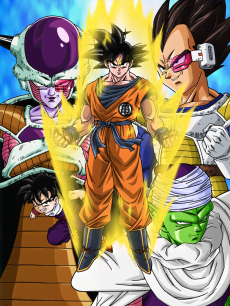
A drifting Terran freighter in the Khaak-infested Omicron Lyrae sector mirrors Goku’s solitary flight through the void after the Cell Games—both scenes steeped in 🌿 Melancholic Exploration. Unlike most space operas, *X3: Terran Conflict* treats galactic trade routes like pilgrimage paths, while *Dragon Ball*’s Saiyan lore reframes cosmic war as inherited grief. This resonance feels surprising: hard-sci-fi logistics and shōnen mythos converge not on power, but on the quiet weight of legacy across light-years.

Connected through 2 aesthetic dimensions.

Connected through 2 aesthetic dimensions.
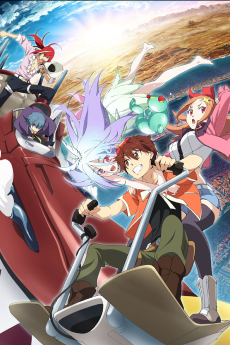
Connected through 2 aesthetic dimensions.


Match Dimensions Explained
❓Frequently Asked Questions
Why does Children of the Sea keep popping up in X3: Terran Conflict anime recommendations?
Because both lean hard into 'Melancholic Exploration'—think quiet, vast cosmic scale with emotional weight: like Ruka drifting through that glowing oceanic void in Children of the Sea, mirroring how you’ll sit alone in your Kestrel, scanning empty sectors near Argon Prime while the ambient synth hums and trade routes flicker on your HUD. It’s not about action—it’s about *feeling* small in a beautiful, indifferent universe.
Is there an anime adaptation of X3: Terran Conflict?
Nope—zero official adaptations. Egosoft never licensed one, and those 12 German devs (as one player joked) are too busy tweaking jump gate physics to pitch anime deals. That said, Blood Blockade Battlefront & Beyond hits similar vibes: chaotic interstellar diplomacy, alien enclaves clashing in layered cityscapes (like the Bari Bari District vs. Argon Federation HQ), and that same bittersweet awe when you first warp into the Xenon sector.
How does Space Dandy 2 compare to X3: Terran Conflict in tone and pacing?
Space Dandy 2 is X3’s irreverent, jazz-fueled cousin—same sci-fi sandbox DNA, but dialed to eleven absurdity. Where X3 has you painstakingly manage cargo manifests for 47 minutes, Dandy’s Episode 12 drops you into a zero-gravity dance-off aboard a sentient comet. Both love ship design porn (Dandy’s *Aloha Oe* vs. X3’s Mamba), but Dandy trades economic simulation for existential slapstick—and somehow, it *works*.
What’s the best anime like X3: Terran Conflict if I just want that lonely, atmospheric space merchant vibe?
Go straight to To LOVE-Ru Darkness OVA—but skip the harem chaos and focus on its quiet, rain-slicked orbital shots: Rito floating outside the school’s satellite observatory, staring at Earth’s curve while the soundtrack swells with reverb-heavy piano. That exact blend of intimacy + scale? That’s your X3 ‘building a freighter empire solo at 2am’ energy—just swap cargo manifests for unspoken feelings and xenon raids for awkward confessions.