Star Trek Online
In Star Trek Online, the Star Trek universe appears for the first time on a truly massive scale. Players take the captain's chair as they command their own starship and crew. Explore strange new worlds, seek out new life and new civilizations, and boldly go where no one has gone before.
🎮Game Details
💬What Players Say
"There's a genuinely incredible game here. Stylistically, gameplay wise, etc it blew my expectations out of the water. The problem is even right here out of the gate it's so mired in monetization that it's overwhelming and keeps me from wanting to play...."
"To be able to compete in an ever increasingly difficult game you have to gamble real world money, and in 16 years of playing I have received only 1 prize item. The dev's excuse for this is "RNG and probabilities" which refreshes with each box. Meaning you start from scratch with each key/box while trying to get that specific ship/item, making that 1 item become increasingly more costly if you ever actually get it...."
"The free-to-play aspect of the game is amazing. The voice acting is great, the missions are lots of fun, and they genuinely give some interesting extensions to Star Trek stories. If this is all you are here for, the game is great...."
📝Editorial Analysis
The bridge hums—not with the sterile whir of a simulation, but with the low, resonant thrum of a real starship’s warp core, felt in your ribs as you pivot in the captain’s chair. You’re not just watching the stars streak past; you’re commanding them—issuing orders, diverting power to shields mid-ambush, hearing Worf’s voice crackle over comms with that unmistakable gravitas. This is Star Trek Online: a universe stretched wide across light-years, where “explore strange new worlds” isn’t a tagline—it’s the first mission you accept after calibrating your phasers and naming your vessel USS Aethelgard. The official description nails it: “Players take the captain’s chair as they command their own starship and crew.” And yet—right there, in that breath before the first jump—the tension coils: the thrill of authority warring with the quiet dread of what the next loot box might demand, or how many spins it’ll take to finally land that one rare console you need to survive the next Tactical Fleet Action. One player calls it “genuinely incredible”—then pivots, raw and unvarnished: “so mired in monetization that…” Another admits, after 16 years, only one prize item. That duality—awe and exhaustion, wonder and weariness—is the game’s heartbeat.
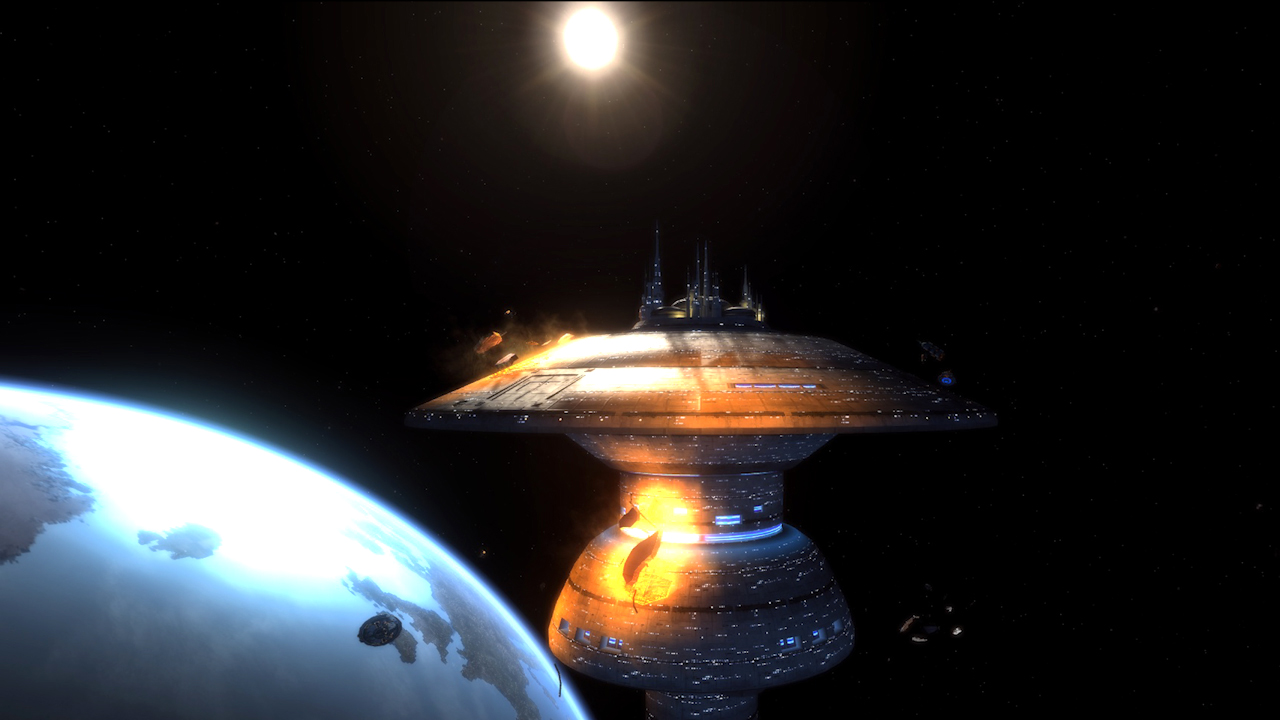
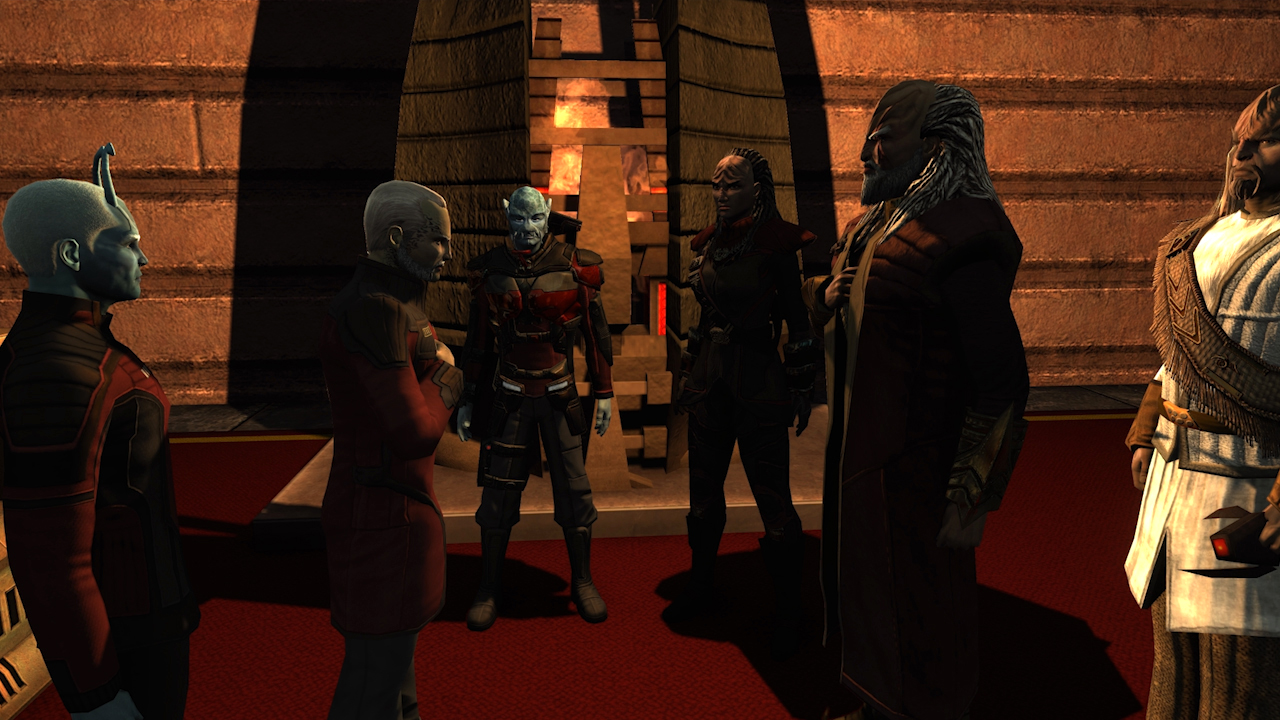
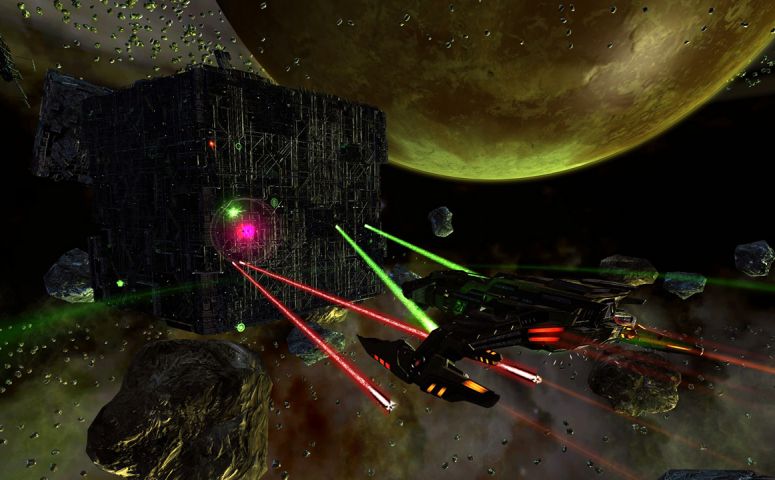
What makes Star Trek Online’s atmosphere singular isn’t its Starfleet uniforms or Klingon bat’leths—it’s the weight of legacy held lightly. You’re piloting vessels that echo Enterprise-D, Voyager, Discovery, but you’re also grinding for dilithium, rerolling RNG drops, navigating a free-to-play economy that feels less like Federation idealism and more like a diplomatic negotiation with a particularly stubborn Ferengi. It makes you feel simultaneously monumental and small: monumental because your choices ripple across sectors, because voice acting carries real emotional heft (“the voice acting is great”), because missions extend canon in ways that “genuinely give some interesting extensions to Star Trek stories.” But small—because the scale isn’t just galactic; it’s systemic. You think about fairness, about time versus reward, about whether “boldly going” still means anything when progress hinges on probability and patience. It’s hopeful, yes—but hope threaded with grit, with friction, with the quiet, persistent ache of trying to uphold ideals inside a machine that runs on credits.
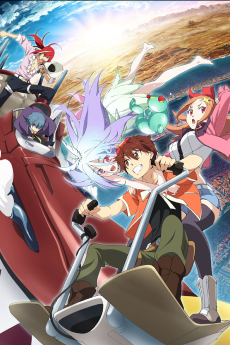
That exact emotional texture—sci-fi grandeur fused with tactical urgency—is why Redline resonates so fiercely. Its hyperspeed races across alien planets aren’t just spectacle; they’re competitive spirit made kinetic—every drift, every near-miss, every gamble against impossible odds mirroring the high-stakes, real-time decision-making aboard a Star Trek Online bridge during a Borg incursion. You don’t just fly—you commit, heart hammering, knowing one misjudged impulse could scatter your hull across three sectors. Then there’s Gunbuster, where teenage pilots shoulder galaxy-ending stakes inside mecha that groan under physics-defying strain. Its tactical warfare isn’t about cooldowns—it’s about sacrifice timed to the second, about trusting your crew with your life while screaming into static. Just like commanding a fleet action in Star Trek Online, where your tactical officer’s call to fire torpedoes lands exactly as the enemy shield frequency cycles—if you’ve practiced, if you’ve waited, if the RNG gods haven’t rolled against you. And World Trigger 2nd Season? Its border skirmishes pulse with the same claustrophobic precision: tight corridors, shifting terrain, squad-level coordination where one misstep unravels the entire formation. You don’t just shoot—you read your opponent’s vector, anticipate their reposition, and adjust shielding before the shot fires. That’s the rhythm of Star Trek Online’s ground combat—where cover matters, flanking matters, and your team’s comms chatter sounds less like dialogue and more like shared nervous system.
This pairing sings loudest for the viewer who rewatches Gunbuster’s final sequence not for the explosion, but for the silence after—the exhausted, tear-streaked breath of people who just saved everything and now have to walk back into the mess hall. For the player who logs in not for the loot, but for the way Worf says “I am prepared” before boarding a Romulan vessel—and feels, for three seconds, like they truly are. For the person who knows tactical warfare isn’t just mechanics—it’s trust, timing, and the quiet, unshakeable belief that even when the odds are coded against you, the mission—and the meaning behind it—still holds.
→29 Anime That Match the Vibe
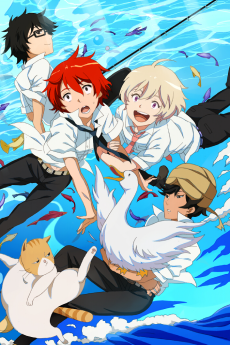
Connected through 2 aesthetic dimensions.

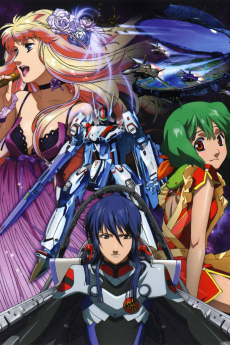
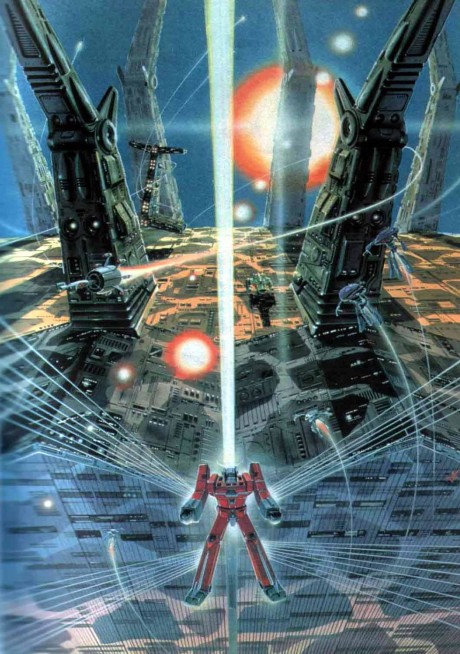
JP’s blistering drift through Redline’s asteroid-ringed Death Valley mirrors the white-knuckle warp-core breach sequence in Star Trek Online’s “Khitomer Crisis” mission—both pivot on split-second command decisions amid cosmic chaos. Unlike most spacefaring narratives, neither leans on quiet diplomacy; instead, they channel adrenaline-fueled competition 🏆 as worldbuilding, where piloting skill and tactical improvisation define heroism. That shared sci-fi intensity—racing engines humming beside phaser banks—makes their resonance startlingly kinetic, not just thematic.
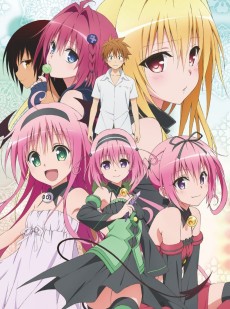
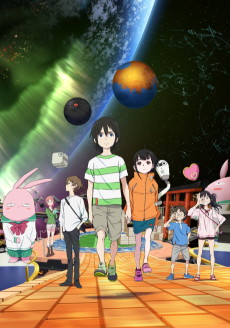
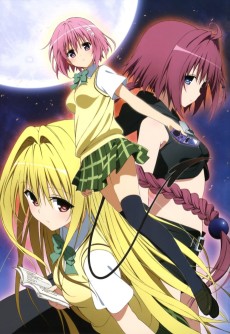
A tactical bridge officer barks orders as photon torpedoes streak across the Milky Way—yet in *To Love-Ru Darkness 2nd Specials*, Mikan’s panicked teleportation glitches mid-battle, warping her into Rito’s shower just as a rival alien fleet breaches orbit. Unlike most sci-fi pairings, this resonance isn’t about scale or lore—it’s *tactical warfare* colliding with slapstick physics, where starship combat discipline and harem-chaos improvisation both hinge on split-second spatial miscalculation. Surprisingly, both use interstellar stakes to heighten intimate, bodily vulnerability—not despite the rockets and ray guns, but because of them.
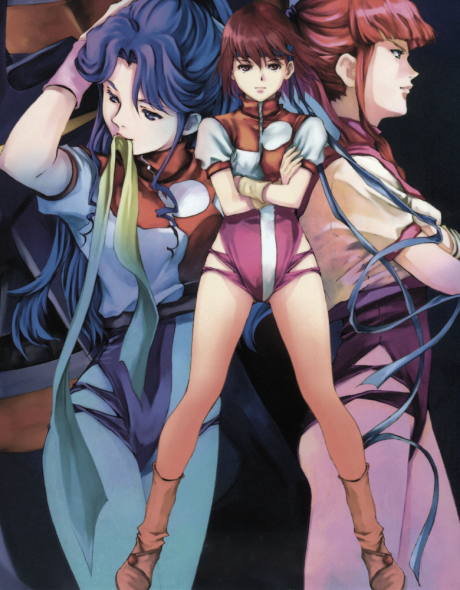
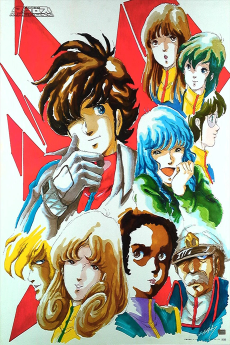
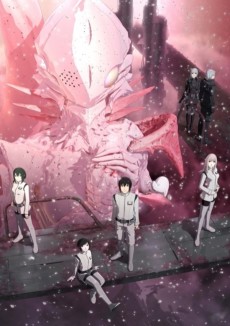
Gunbuster’s desperate orbital defense of Earth—where Noriko hurls herself into the alien swarm aboard her mecha—mirrors STO’s bridge-command intensity during a Borg incursion in the Azure Nebula. Where Gunbuster frames tactical warfare as visceral, body-horror stakes against insectoid extinction, STO scales that same dread across starship fleets and diplomatic crises. This resonance isn’t just sci-fi spectacle; it’s how both weaponize scale—cosmic yet personal—to make tactical warfare feel urgently human.
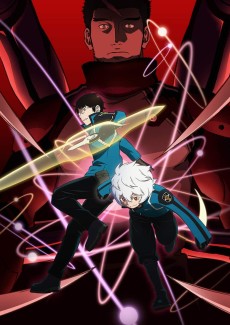
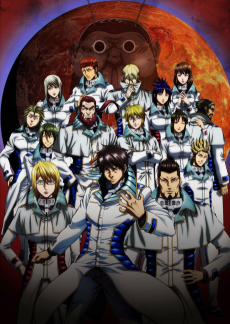
Border’s tactical deployment of Triggers—precise, squad-coordinated, and physics-grounded—mirrors STO’s bridge-combat rhythm, where phaser arcs, torpedo spreads, and shield modulation demand split-second spatial awareness. Unlike most space operas, Season 2 deepens Osamu Mikumo’s growth as a strategist *within* rigid command hierarchies—echoing STO’s fleet-assignment missions where captains balance autonomy with Starfleet doctrine. This shared commitment to **Tactical Warfare** makes their sci-fi stakes feel earned, not just spectacular.
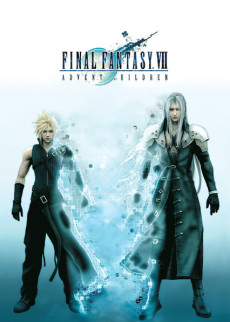
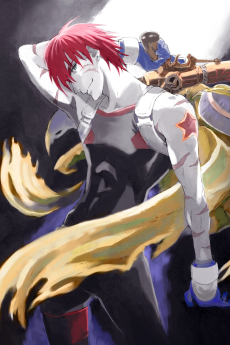
Aboard the *U.S.S. Endeavour*, navigating a nebula while coordinating phaser banks and shield harmonics, players feel the same tactical precision that defines Cloud’s synchronized assault on Kadaj’s geostigma-corrupted Sephiroth in *Advent Children*’s rain-slicked Midgar ruins. Unlike most sci-fi pairings, this resonance isn’t about lore or aliens—it’s 🎯 Tactical Warfare made visceral: real-time command decisions in STO mirror the split-second choreography of swordplay, spell timing, and environmental awareness in the film’s climactic battles. That shared intensity—calculated, kinetic, and deeply human amid cosmic stakes—makes their alignment unexpectedly profound.
Connected through 2 aesthetic dimensions.
Connected through 2 aesthetic dimensions.
Connected through 2 aesthetic dimensions.




Match Dimensions Explained
❓Frequently Asked Questions
Why does Redline get recommended for Star Trek Online fans?
Redline nails the 'Sci-Fi & Space' + 'Competitive Spirit' combo that STO thrives on — think of how STO’s starship races in the Delta Quadrant missions mirror Redline’s high-stakes, zero-gravity cosmic racing with custom ships like Sweet Pea’s modified Mantis. Both lean hard into spectacle, improvisation under pressure, and crews bantering over comms while dodging asteroids or rival racers.
Is there an anime adaptation of Star Trek Online?
No — there’s no official anime adaptation of STO. But if you love STO’s tactical bridge-command vibe and deep lore expansions (like the Iconian War arc), Gunbuster is your closest spiritual cousin: it features a young cadet, Noriko Takaya, learning to pilot the massive Gunbuster mecha alongside her crew aboard the Nadesico-like ship *Buster*, complete with real-time coordination, mission briefings, and stakes that feel as galaxy-spanning as STO’s Omega Directive storylines.
How does World Trigger 2nd Season compare to To Love Ru Darkness 2 Specials for STO fans?
World Trigger 2nd Season leans into STO’s tactical warfare side much more directly — its Border HQ ops, Trion-based ship-to-ship shielding, and real-time fleet coordination (like the B-Rank squad battles against Neighbors) echo STO’s away team + starship sync mechanics. To Love Ru Darkness 2 Specials, meanwhile, uses space tech (like Golden Darkness’s ship and dimension-hopping) more for comedic/romantic escalation than strategic combat — great for tone, but less ‘bridge officer briefing’ energy.
What’s the best anime like Star Trek Online for when I want that ‘captain’s chair’ calm-under-fire vibe?
Go with Final Fantasy VII: Advent Children — not for the magic, but for how Cloud and the crew command their airship *Highwind* during the chase through Midgar’s ruins: slow-zoom bridge shots, quiet orders over comms, and split-second decisions that shift momentum — just like STO’s ‘Tactical View’ mode where you pause time to reposition shields or target subsystems. It’s got that same weighty, deliberate leadership rhythm.