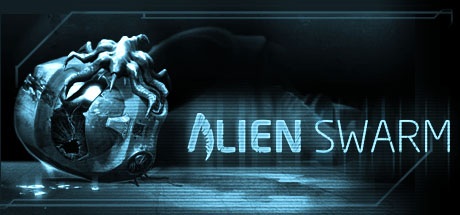
Alien Swarm
Co-operative multiplayer game and complete code base available for free.
🎮Game Details
💬What Players Say
"a under rated valve game."
"Alien Swarm is one of those rare free games that still holds up because it knows exactly what it wants to be: a tight, fast, co‑op top‑down shooter with real tension and a great sense of teamwork. The missions are short but intense, the classes actually matter, and when everyone plays their role the game feels incredibly satisfying. It’s not huge in content and the campaign is over pretty quickly, but the replay value comes from trying different loadouts and pushing through on harder difficulties...."
"👽🔫 Alien Swarm Review 🔫👽 🕹 Length: 4–6 hours (campaign) | More with replaying higher difficulties 💰 Price vs. Content: Good value, especially considering it’s free ⚙ Optimization: Excellent; lightweight and runs smoothly on most systems 🎮 Difficulty: Moderate to hard; teamwork becomes essential on higher difficulties 🎮 Gameplay Alien Swarm is a top-down cooperative shooter focused on teamwork, positioning, and surviving waves of deadly aliens. Inspired by classic sci-fi action films, the game puts players in the role of elite marines completing missions aboard infested facilities and colonies...."
📝Editorial Analysis
The flicker of your flashlight beam cutting through the alien-infested corridor—sudden, jagged, desperate—as your teammate’s voice cracks over comms: “Left flank! They’re swarming the vents!” You pivot, spray fire into the chittering mass, and reload mid-strafe—not because you planned it, but because your body remembered the rhythm before your brain caught up. That’s Alien Swarm: not a spectacle, but a pulse, a shared nervous system wired across four players in a top-down, pixel-precise storm of motion and consequence. It’s the “tight, fast, co‑op top‑down shooter with real tension” one player nailed—the kind where “teamwork” isn’t a bullet point, but the oxygen you breathe when the hive breaches the airlock and someone covers your reload without being asked.

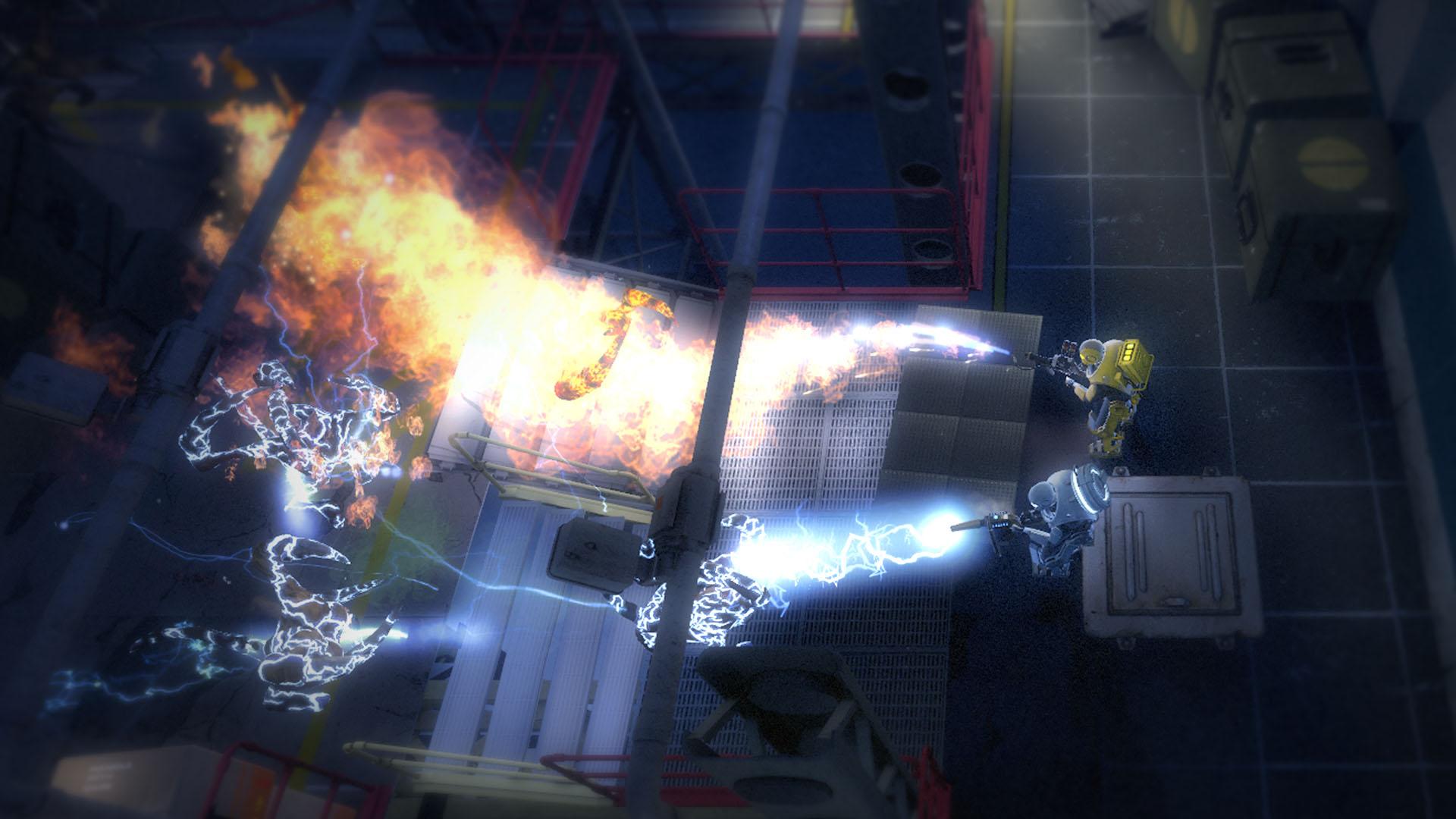
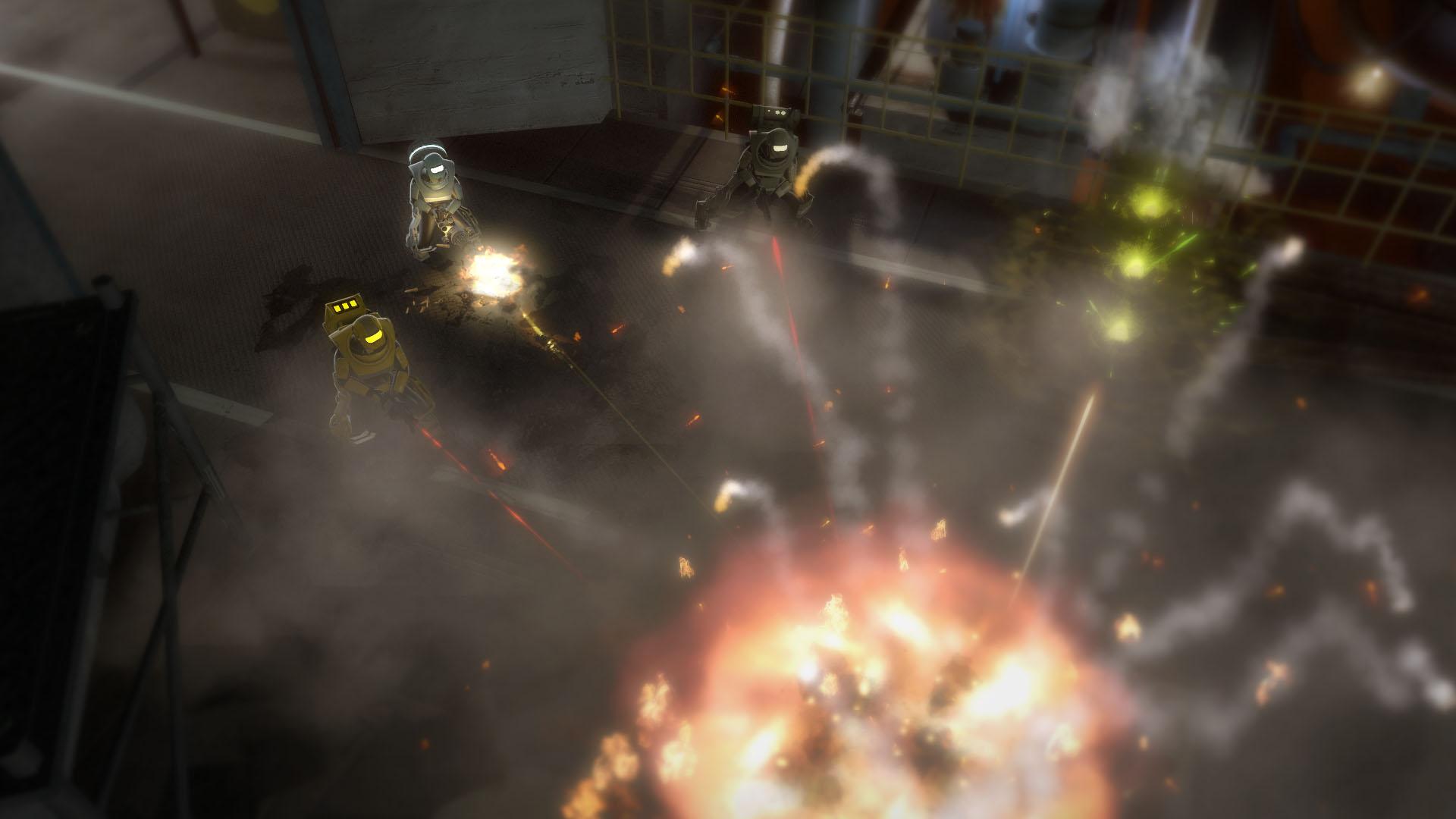
What makes it vibrate so distinctly isn’t just the shooting—it’s how every element conspires to make you feel grounded, urgent, and irrevocably interdependent. There’s no solo fantasy here; no lone-wolf power fantasy or narrative hand-holding. You’re not chosen. You’re assigned: Engineer, Medic, Assault, or Technician—roles that lock into place like gear teeth, each with hard limits and non-negotiable trade-offs. The optimization is “excellent; light”—so the game never stutters, never blurs the line between intention and execution. That smoothness isn’t convenience—it’s trust. Trust that your input will land, that your friend’s grenade will arc true, that the swarm’s advance is relentless but fair, governed by physics and AI patterns you learn to read like weather. It’s tactile, immediate, communal—less about saving the universe than keeping the next ten seconds from collapsing into chaos. You don’t think about lore while reloading under fire. You think about cover, ammo count, who’s flanking, whose health bar just dipped below 30%. That’s the feeling: shared survival as muscle memory.
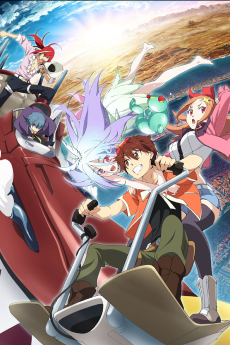
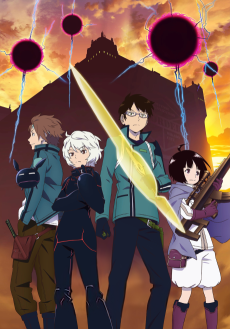
That same emotional core hums through World Trigger 2nd Season, where Trion-based warfare forces squads to synchronize movement, shield deployment, and trap placement in real time—no cutaways, no exposition mid-battle, just tight corridors, shifting enemy vectors, and the weight of knowing your partner’s next move because you’ve drilled it together. The “Tactical Warfare” and “Survival & Crafting” dimensions aren’t abstract tags—they’re why every border skirmish feels like a live-wire extension of Alien Swarm’s co-op precision. Then there’s Getter Robo: Armageddon, where the mecha don’t roar into glory—they strain, hydraulics groaning, systems overheating, pilots shouting coordinates over static as they jury-rig defenses mid-assault. The “Survival & Crafting” isn’t about base-building—it’s about improvisation under duress, welding a barricade from wreckage while something skitters beneath the floor. Same raw, unvarnished urgency. And Terra Formars, for all its grotesque biology, shares that claustrophobic, tactically brutal intimacy—the tunnels, the limited ammo, the way survival hinges on reading alien behavior as environment, not boss pattern. No grand speeches before the fight. Just breathing, loading, and locking eyes with your squad as the hatch hisses open.
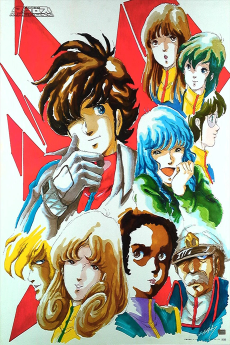
This pairing sings loudest for the player who keeps their Discord mic hot not for banter, but for timing—the viewer who rewinds the exact frame where a Terra Formars squad shifts formation, not to admire animation, but to study spacing and threat prioritization. It’s for the person who doesn’t skip the engineering logs in Star Blazers: Space Battleship Yamato 2199, because they know how much depends on the quiet calculus of heat dissipation and hull integrity—same way they’ll pause Alien Swarm mid-mission to reassign medkits based on last round’s attrition. Not for those chasing spectacle, but for those who find beauty in synchronized response, who feel calmest when the pressure is highest and the only solution is to move as one.
→43 Anime That Match the Vibe
Connected through 3 aesthetic dimensions.
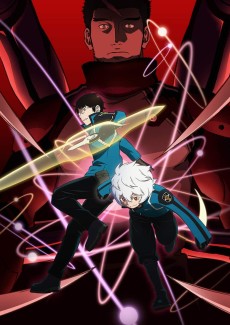
Border’s cramped, flickering command center—where Trion levels flash and tactical overlays scroll—feels ripped from Alien Swarm’s co-op HUD during a frantic hive assault. Unlike most sci-fi, both weaponize *tactical warfare*: Season 2’s real-time Border debriefings mirror the game’s post-mission loadout swaps and class-based role recalibration under pressure. That shared grit—crafting survival through precise coordination, not spectacle—makes their resonance startlingly physical, not just thematic.
Connected through 3 aesthetic dimensions.
Connected through 2 aesthetic dimensions.

Ryoma Nagare’s claustrophobic return to the Getter Robo cockpit—after imprisonment and betrayal—mirrors the tense, resource-scarce corridors of Alien Swarm’s infested starships. Unlike most mecha narratives, *Armageddon* leans into body horror and desperate survival, echoing the game’s relentless swarm logic and its open-source modding ethos that invites communal crafting of chaos. This resonance in **Survival & Crafting** feels startlingly organic: both weaponize scarcity—not just of ammo or parts, but of trust, time, and sanity.

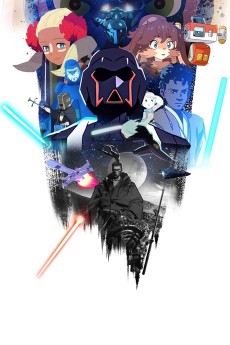
That frantic Alien Swarm lobby—where players scramble to assign roles before the hive floods the corridor—mirrors Loser Ranger’s opening gag: the “Divine Dragon Rangers” posing heroically while their actual gear sputters and misfires. Unlike most sci-fi action, both anchor spectacle in tactile survival & crafting—welding plasma cutters mid-ambush, jury-rigging broken mechs with duct tape and spite. It’s startling how deeply they share the joy of competence earned through shared, sweaty, gloriously unglamorous labor.

Mars’ rust-colored dust chokes the air as cockroach-human hybrids swarm a breached habitat—*Terra Formars*’ horror erupts from biological betrayal, not alien invasion. *Alien Swarm* mirrors that dread in its co-op trenches: players don’t craft armor or upgrade weapons mid-fight—they jury-rig cover, share ammo under fire, and fall back *together*, embodying raw **Survival & Crafting** under overwhelming organic pressure. Unlike most sci-fi, neither work romanticizes technology; both treat Mars as a corpse reanimated by evolution’s cruel pragmatism.

Desperation hums in the claustrophobic corridors of the Yamato’s damaged engineering decks—just as it does in Alien Swarm’s flickering, bio-luminescent hive tunnels where players jury-rig barricades mid-wave. Unlike most sci-fi, both anchor their 🛠️ Survival & Crafting ethos not in sleek utopias but in sweat-streaked improvisation: Kodai orders plasma torches repurposed for hull breaches; your squad hot-swaps ammo types while reloading behind a crumbling crate. That raw, communal grit—forged in collapsing spaceships and swarming alien hives—makes their resonance startlingly physical, not just thematic.
Connected through 3 aesthetic dimensions.

Goku’s first encounter with Bulma—crashing her capsule vehicle in the wilderness—mirrors Alien Swarm’s opening drop: disoriented, resource-scarce, and immediately thrust into chaotic collaboration. Where Dragon Ball weaponizes sci-fi gadgetry (Capsule Corp tech) as survival tools, Alien Swarm turns crafting modularity—reloading, resupplying, jury-rigging weapons mid-horde—into visceral, tactile sci-fi & space tension. This shared emphasis on *survival & crafting* transforms both into kinetic blueprints for cooperative ingenuity, not just spectacle.


























Match Dimensions Explained
❓Frequently Asked Questions
Why is World Trigger 2nd Season recommended for Alien Swarm fans?
Because both nail that tight, squad-based tension—like when Yuma and Kuga coordinate a precise trap-and-flank during the Border vs. Neighbors skirmish in Episode 12, mirroring how Alien Swarm forces you to time grenade throws and suppressive fire with your teammates. The tactical warfare dimension (score: 73) means real consequences for positioning and role synergy—no solo heroics, just clean, responsive teamwork.
Is there an anime adaptation of Alien Swarm?
Nope—Alien Swarm is purely a Valve-developed co-op top-down shooter with no anime adaptation (and no plans announced). But if you love its free, tightly optimized, teamwork-first sci-fi survival vibe, Terra Formars hits similar notes: think the claustrophobic vent combat in Episode 8 where the crew improvises flamethrower traps against the cockroach swarm—same desperate, resource-aware energy.
How does Go! Go! Loser Ranger! compare to Star Blazers: Space Battleship Yamato 2199 for Alien Swarm fans?
Go! Go! Loser Ranger! leans into scrappy, improvised survival—like the team jury-rigging a plasma cannon from junkyard parts in Episode 5—matching Alien Swarm’s ‘make-do’ crafting and chaotic co-op feel. Yamato 2199 is more methodical and grand-scale: its bridge-tactical scenes (e.g., the Gatlantis fleet ambush in Episode 19) emphasize layered coordination over frantic moment-to-moment shooting—but both share that high-stakes sci-fi survival dimension (68 vs. 65 score).
What’s the best anime like Alien Swarm if I want that same fast-paced, free-to-play co-op shooter energy?
World Trigger 2nd Season—it’s the closest match (73 score) for that ‘tight, fast, co-op top-down shooter’ pulse. Watch the B-Rank invasion arc (Episodes 2–4): every battle demands split-second callouts, class-based roles (Trion weapons act like distinct loadouts), and zero downtime—just like Alien Swarm’s 4–6 hour campaign where replaying on higher difficulties keeps the adrenaline sharp. And yeah, it’s free to stream legally too.