X2: The Threat
X²: The Threat is of a new generation of space simulator games, you play the role of Julian Gardna who continues the story set by X: Beyond The Frontier. The updated graphics engine gives the universe a fresher feel with newly designed ships and stations adding to the complexity of the universe.
🎮Game Details
💬What Players Say
"Recommended for anyone who wants a great blend of story, sandbox, and classic X-Universe empire building. I am playing through all the X-Universe games and finished my playthrough of X2: The Threat. It's a large leap forward from X-Tension...."
📝Editorial Analysis
The silence between stations—deep, absolute, humming with the low thrum of your ship’s engines and the faint static hiss of comms—where Julian Gardna drifts alone in the updated graphics engine’s starfield, watching a newly designed Teladi freighter crawl past like a slow, silver beetle against the nebula’s violet smear. You’re not chasing a boss or racing a timer. You’re waiting. For a trade route to stabilize. For a rumor to bloom into a mission. For the universe to exhale. That’s the first breath of X2: The Threat: not action, but presence—a quiet, deliberate immersion in scale so vast it borders on sacred.
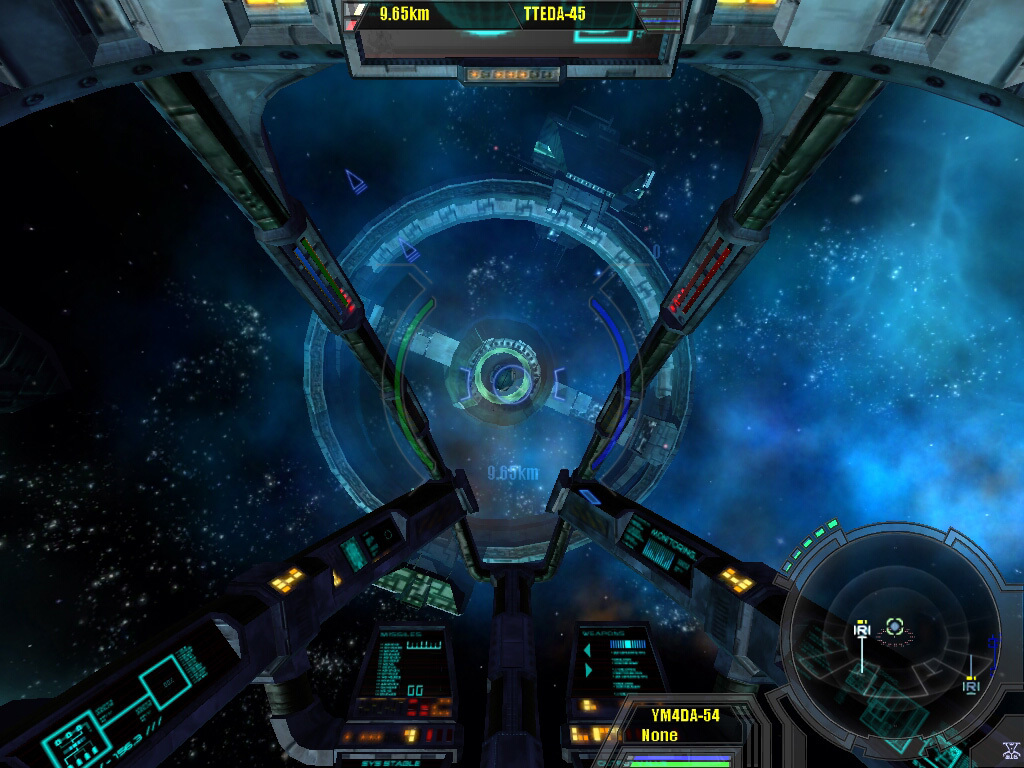
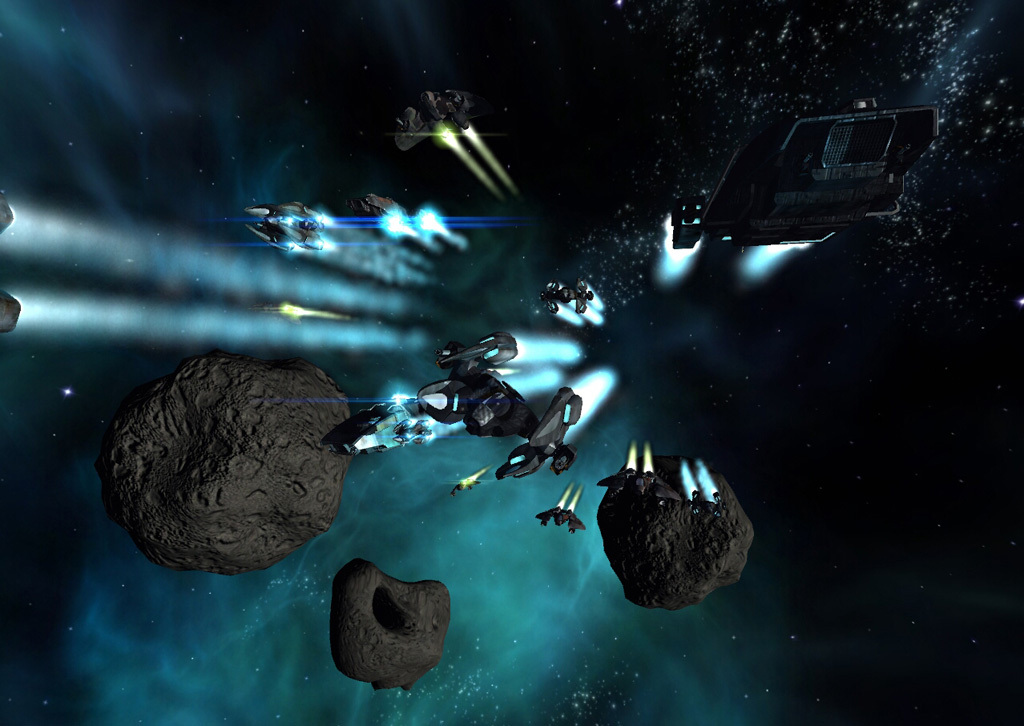
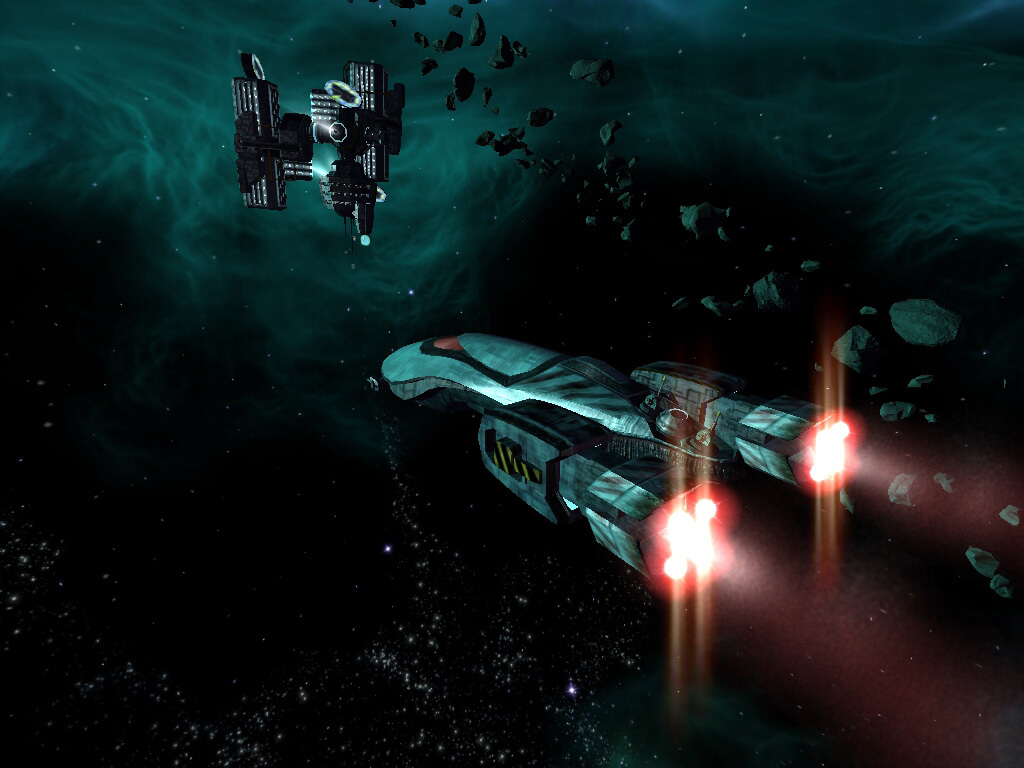
What makes this game’s atmosphere unique isn’t its sandbox or empire-building mechanics—it’s how those systems generate melancholic exploration. Not sadness, exactly, but a profound, almost gravitational weight to movement: every jump gate transit feels like crossing a threshold into older, quieter time; every station you dock at—newly modeled, intricately textured—carries the hum of lived-in commerce, of species trading not for conquest, but survival and curiosity. You think about distance—not as meters, but as time spent listening to radio chatter while coasting, as the lag in a message from home, as how small your ship looks when framed against a rotating asteroid belt. It’s sci-fi that doesn’t shout futurism—it whispers it, through geometry, light, and silence. The player review nails it: “a great blend of story, sandbox, and classic X-Universe empire building”—but what lingers isn’t the building, it’s the stillness between the keystrokes, the sense that the universe is breathing around you, indifferent and magnificent.
That same hush lives in Children of the Sea, where the ocean isn’t a setting but a sentient, ancient presence—its depths echoing with bioluminescent mystery and unspoken grief. Like Julian navigating silent sectors, Ruka floats in water that feels less like environment and more like memory made liquid: both are spaces where wonder and sorrow fold into one another, where discovery isn’t triumphant, but reverent. Then there’s Blood Blockade Battlefront & Beyond, which trades deep space for a fractured, vertical city—but keeps the same emotional compass: neon-lit alleyways hum with alien tech and weary diplomacy, and every street corner holds a secret that’s equal parts wondrous and heavy. Its melancholy isn’t despair—it’s the quiet exhaustion of holding reality together, much like managing supply lines across three sectors while Julian’s personal story unfolds in fragmented logs and delayed transmissions. And Space Dandy 2? Yes—beneath the slapstick and fourth-wall cracks, there’s a startling tenderness in how it treats cosmic loneliness: Dandy’s ship isn’t just a vessel, it’s a fragile bubble of warmth drifting through indifferent void, his crew’s bickering a lifeline against entropy. That’s the same warmth you feel docking at a Khaak-adjacent outpost at 3 a.m., watching cargo drones trace slow arcs under twin suns—small, temporary, alive.
This pairing isn’t for the adrenaline-chaser or the lore-archivist. It’s for the person who replays the opening cutscene of X2: The Threat just to hear the ambient score swell over the starfield, who pauses mid-mission to watch a solar flare lick the hull of their Mamba, who watches Children of the Sea and feels their throat tighten not at the climax, but at the shot of fish schooling in perfect, silent synchrony. It’s for the viewer who finds comfort in the weight of existence—not as burden, but as texture. Who knows that melancholy isn’t emptiness—it’s the resonance left behind when something vast and beautiful brushes too close to human scale. Who understands that the most powerful moments in both X2: The Threat and these anime aren’t explosions or declarations, but the stillness after the jump, the breath before the dive, the pause where the universe holds its light just long enough for you to remember you’re part of it.
→16 Anime That Match the Vibe
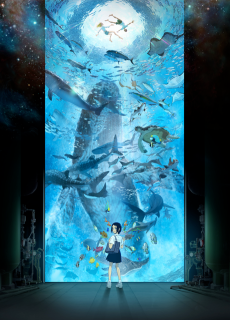
Julian Gardna’s solitary drift through the silent, star-dusted void of X²’s Khaak-infested sectors mirrors Ruka’s breathless, weightless glide alongside Umi and Sora in the ocean’s luminous deep—both are melancholic explorations where vast, indifferent spaces become intimate chambers of self-discovery. Unlike most sci-fi or aquatic fantasy, neither work treats its setting as backdrop; space and sea alike pulse with ancient, sentient mystery that reshapes human perception. This resonance feels quietly radical: cosmic scale and oceanic intimacy converge not in spectacle, but in shared, hushed awe.

Connected through 2 aesthetic dimensions.

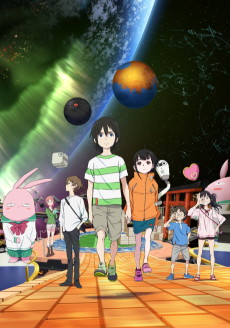
Julian Gardna’s solitary drift through the Khaak-infested void—radio static his only companion—mirrors Mikan’s quiet walks under the alien-lit skies of Sainan City in *To LOVE-Ru Darkness* OVA. Unlike most ecchi rom-coms, this OVA lingers on melancholic exploration: those unspoken pauses after a near-kiss, the weight of cosmic-scale loneliness beneath school uniforms and spaceship cockpits. 🌿 Sci-Fi & Space here isn’t backdrop—it’s emotional architecture, where love and threat orbit the same fragile center.

Julian Gardna’s solitary drift through the X-Universe’s derelict stations—where every flickering console hums with abandoned purpose—echoes Klaus Von Reinherz’s quiet walks across restored NYC’s neon-lit, monster-haunted streets in *Blood Blockade Battlefront & Beyond*. Unlike most space sims or urban supernatural shows, both anchor their 🌿 Melancholic Exploration in bureaucratic inertia: Gardna negotiates trade routes amid galactic entropy; Klaus files interdimensional incident reports while the city breathes around him. This shared reverence for melancholy systems—not spectacle—makes their resonance startlingly tender.
Connected through 2 aesthetic dimensions.
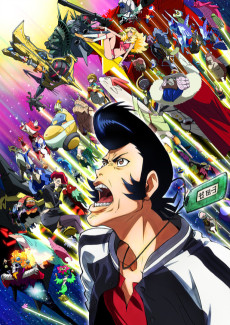
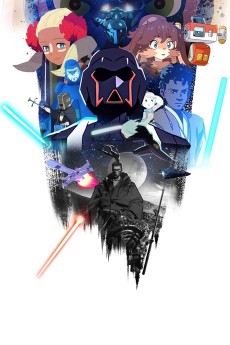
Julian Gardna’s solitary drift through the X-Universe’s silent asteroid fields mirrors Dandy’s Season 2 episode “The Last of the Sushi Aliens,” where cosmic scale swallows personal ambition in hushed, star-dusted stillness. Unlike most space adventures that weaponize wonder, both lean into 🌿 Melancholic Exploration—Gardna’s procedural trade routes and Dandy’s deadpan alien encounters alike frame discovery as quiet, often futile, communion with the indifferent void. That shared ache—between engine hum and synth-jazz sax—makes their resonance startlingly tender.

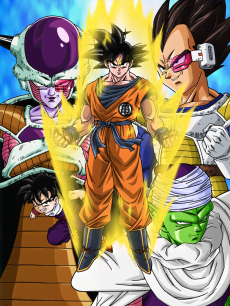
Julian Gardna’s solitary drift through the silent, star-dusted void of X²—piloting a battered M3 in search of meaning after his father’s disappearance—echoes Goku’s early wilderness solitude before Bulma arrives. 🌿 Melancholic Exploration binds them: not just empty space or quiet forests, but the ache of unanswered questions echoing across cosmic and personal scales. Unlike most shōnen openings, Dragon Ball’s first arc treats the Dragon Balls as fragile, ancient mysteries—not power-ups—mirroring how X² frames alien artifacts as enigmatic remnants of lost civilizations.

Connected through 2 aesthetic dimensions.

Connected through 2 aesthetic dimensions.
Connected through 2 aesthetic dimensions.


Match Dimensions Explained
❓Frequently Asked Questions
Why does Children of the Sea keep showing up in 'anime like X2: The Threat' lists?
Because both lean hard into melancholic exploration of vast, mysterious spaces—like Julian Gardna drifting alone near the Argon Prime station, watching nebulae swirl while the X-Universe hums with quiet, ancient tech. Children of the Sea mirrors that vibe with Ruka and the twins floating through oceanic voids, uncovering cosmic-scale secrets in silence, not combat.
Is there an anime adaptation of X2: The Threat?
No—there’s never been an official anime adaptation of X2: The Threat or any X-Universe game. But if you’re craving that same blend of lonely spacefaring + layered worldbuilding, Blood Blockade Battlefront & Beyond nails it: think Leonardo Watch navigating the chaotic, lore-dense streets of Hellsalem’s Lot—kinda like how Julian deciphers alien trade routes and station politics across the Paranid sector.
How does Space Dandy 2 compare to X2: The Threat in terms of tone and structure?
X2 is slow-burn, systemic, and grounded in empire-building—Julian’s grinding freight runs between Teladi stations feel real and consequential. Space Dandy 2 flips that: it’s episodic, absurdist, and deliberately shallow (like Dandy’s ‘space bounty hunter’ gig being pure fluff), but both share that core Sci-Fi & Space + Melancholic Exploration DNA—just one stares into the abyss with a spreadsheet, the other with a cocktail.
What’s the best anime like X2: The Threat if I want that quiet, reflective spacefaring mood?
Children of the Sea is your top pick—it’s got that same hushed awe of cosmic scale, like when Julian first docks at the massive, weathered Goner shipyard and just *listens* to the ambient hum of distant engines. No battles, no exposition dumps—just Ruka and the sea echoing the X-Universe’s feeling of being small, curious, and deeply immersed in something ancient and unexplained.