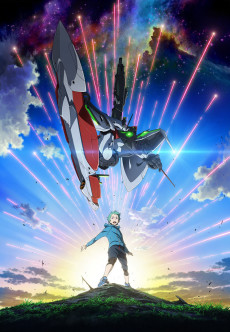
Eureka Seven AO
📺Anime Details
📝Editorial Analysis
The salt-sting of wind on your cheeks as the Blue Planet banks hard over the Pacific, Ao’s knuckles white on the controls, the Nirvash’s thrusters flaring blue against a sky split by temporal fractures—this isn’t just flight. It’s vertigo with purpose. You feel the weight of the ocean below, the fragility of the cockpit glass, the way time doesn’t flow here—it shivers, like light through warped glass. That moment when Ao cuts across a rogue chrono-wave mid-dive, her breath catching not from G-force but from the sudden, silent glimpse of her mother’s face flickering in the static—that is Eureka Seven AO. Not spectacle first. Not lore. A body suspended between memory and momentum.
What makes Eureka Seven AO ache so distinctly isn’t its mecha or military scaffolding—it’s how it treats time as tactile. Not as plot device, but as weather: something you walk into, get soaked by, shiver under. The politics aren’t abstract; they’re the grit in your teeth after a sandstorm over Okinawa. The surfing isn’t stylized—it’s muscle memory, rhythm against chaos, a way to breathe when the world’s timeline frays at the edges. You don’t just watch Ao grapple with legacy—you feel the pressure of inherited silence, the way grief folds into duty like a folded map you’re afraid to unfold. It’s haunted, yes—but not by ghosts. By echoes: of choices unmade, futures collapsed, voices cut off mid-sentence by a temporal rupture. That lingering sense of almost—almost understanding, almost saving, almost remembering—is the show’s quiet hum.
That resonance finds real counterparts in games that treat time not as a clock, but as terrain. BioShock Infinite lands with identical emotional gravity—not because of its floating city or Songbird, but because of how Booker and Elizabeth move through fractured moments like swimmers cutting water. The player review notes the “Time & Memory” dimension—and yes, it’s there in the way memories bleed across realities, in the gut-punch of realizing Elizabeth isn’t just in time; she is time’s wound. Like Ao staring at a photo that shifts when she blinks, Booker’s past isn’t backstory—it’s physical resistance, a wall he keeps walking into. Both demand you hold contradiction: love and consequence, rescue and erasure, all at once.
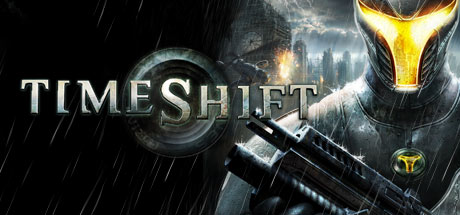
Then there’s TimeShift™, where Dr. Krone doesn’t control time—he wounds it. Its description nails the stakes: “a reckless act with frightening consequences… a disturbing alternate reality has [emerged].” No grand speeches. Just physics breaking, light stuttering, corridors folding wrong. The player review calls it “a blast” but admits it takes work to run—mirroring Eureka Seven AO’s own rough edges: its pacing stutters, its exposition clunks, yet the feeling remains pristine—the visceral panic of a timeline cracking open under your feet. You don’t need smooth mechanics to feel destabilized. You just need the screen to glitch just so, and suddenly you’re back in that cockpit, heart pounding not for victory—but for continuity.
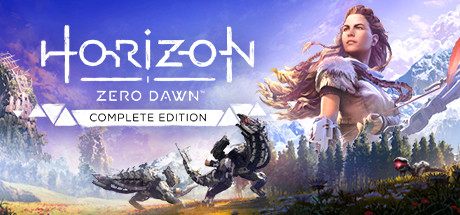
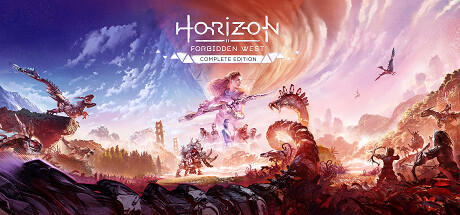
And Horizon Zero Dawn™ Complete Edition and Horizon Forbidden West™ Complete Edition, both scoring 84 in Mecha & Military Sci-Fi, Cyberpunk & Dystopia, Sci-Fi & Space—but what binds them to Eureka Seven AO isn’t the machines. It’s Aloy kneeling beside a rusted, half-buried war drone, tracing glyphs that whisper of a civilization that forgot how to remember. Like Ao deciphering her mother’s logs, Aloy pieces together trauma disguised as data. The reviews don’t mention this—but the feeling is identical: awe undercut by sorrow, wonder tangled with warning. These aren’t worlds built for conquest. They’re elegies wearing armor.
This pairing isn’t for fans of “cool robots” or “epic battles.” It’s for the person who pauses mid-gameplay—not to strategize, but to watch rain slide down a ruined skyscraper in Horizon, or to re-listen to a fragmented audio log in BioShock Infinite, or to sit with Ao’s silence after a mission where no one died but something still broke. It’s for those who recognize grief in the hum of a mecha’s reactor, longing in the glide of a surfboard over open water, and hope not as triumph—but as the stubborn, trembling act of choosing now, even when now keeps slipping through your fingers.
🎮28 Games That Match the Vibe


Match Dimensions Explained
❓Frequently Asked Questions
Why does Horizon Zero Dawn feel so much like Eureka Seven AO’s vibe despite not having mecha pilots?
It’s all about that grounded-yet-epic sci-fi melancholy—like when AOE’s Renton stares at the blue sky while the Nirvash sits silent beside him, Horizon’s Aloy quietly observes a Thunderjaw’s rusted frame in the ruins of Denver, uncovering buried memories and lost civilizations. Both lean hard into environmental storytelling, military sci-fi worldbuilding (think Scorchers vs. AO’s Gekko), and protagonists wrestling with legacy—not just as pilots or warriors, but as inheritors of broken systems.
Is there an anime or game adaptation of Eureka Seven AO?
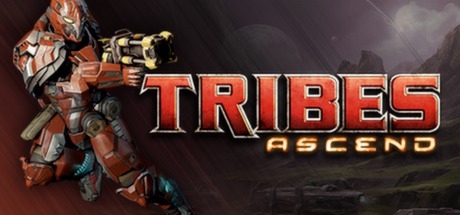
No official game adaptation exists—but if you’re craving that same blend of mecha action, dystopian tension, and emotional weight, Horizon Forbidden West nails it: its ‘The Face of the Enemy’ quest mirrors AO’s moral ambiguity, with Aloy confronting AI-driven colonialism much like Ao confronts the secrets of the Blue Generation. Tribes: Ascend also scratches that tactical, high-speed aerial combat itch—imagine piloting the Nirvash through canyon chases, but with jetpacks and team-based objectives instead of psychic resonance.
How does BioShock Infinite compare to Horizon Zero Dawn for Eureka Seven AO fans?
Great question—if AO’s ‘Blue Generation’ mystery and time-bending revelations hooked you, BioShock Infinite’s Columbia is your next rabbit hole: Booker and Elizabeth’s bond echoes Renton and Ao’s trust-and-truth dynamic, especially during the tear-powered climax where perception shatters like AO’s fragmented memories. Horizon Zero Dawn, meanwhile, delivers more tactile, grounded exploration—like AO’s island-hopping missions—but both share that haunting, layered sci-fi atmosphere rooted in forgotten tech and ideological collapse.
What’s the best game like Eureka Seven AO if I want that bittersweet, reflective mood after a big battle?
TimeShift™—yes, really! That quiet, rain-slicked alley scene right after you rewind time to avoid a sniper shot? It hits the same lonely, introspective note as AO’s post-combat moments on the carrier deck, where Renton watches the horizon while the Gekko loom in the distance. It’s short (just 4 hours), but its cyberpunk-dystopia aesthetic and time-manipulation mechanics echo AO’s themes of consequence and fractured identity—plus, players say it’s ‘a blast’ once you tweak settings via community fixes.