
Mob Psycho 100 REIGEN The Miraculous Unknown Psychic
📺Anime Details
📝Editorial Analysis
The fluorescent hum of a cheap office lamp. A man in a rumpled suit leans back in his chair, grinning like he’s just sold salvation to a ghost—while holding a laminated “Psychic Consultant” badge that reads REIGEN in Comic Sans. His client, a nervous salaryman clutching a trembling potted plant, doesn’t notice the plant’s leaves are twitching—not from wind, but because it’s possessed. And Reigen? He’s already drafting the invoice: ¥3,000 for “spiritual alignment,” plus tax. That moment—absurd, tender, deeply mundane, vibrating with quiet dread and louder laughter—is where Mob Psycho 100 REIGEN The Miraculous Unknown Psychic lives.
This isn’t about power scaling or apocalyptic stakes. It’s about the weight of pretending—pretending you’re competent, pretending you’re not afraid, pretending your life isn’t quietly unraveling at the seams while ghosts sip lukewarm tea in your break room. The atmosphere is urban exhaustion layered with surreal warmth: cracked tile floors, flickering vending machines, the smell of stale coffee and ozone after a psychic outburst. It makes you feel seen—not as a hero, but as someone who’s ever faked confidence to keep a job, lied to a friend to spare their feelings, or laughed too hard when something deeply weird walked past your desk. It asks: What if the most miraculous thing wasn’t telekinesis—but showing up, again and again, even when you’re full of doubt?
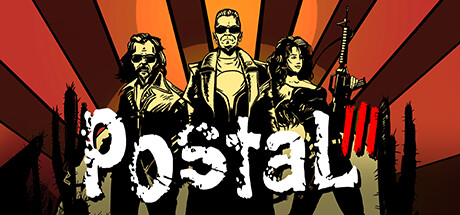
That emotional DNA pulses strongest in games where absurdity isn’t decoration—it’s infrastructure. Postal III, with its tagline “Good or Insane? The choice is yours,” mirrors Reigen’s performative chaos: both weaponize tonal whiplash to expose how thin the line is between competence and farce. The player review nails it—“it’s postal, so everything is weird”—just like Reigen’s world, where a demonic entity might demand union benefits and a haunted fax machine prints passive-aggressive memos. The shared feeling isn’t nihilism; it’s recognition: the world is already unhinged, so why not bill for exorcisms in yen and accept payment in expired coupons?
Then there’s Undertale, sitting at the same score (67) and sharing those exact dimensions: Body Horror & Occult, Comedy & Parody. Its genius isn’t just in subverting RPG tropes—it’s in making every monster feel like they’ve got rent due, student loans, and a half-written fanfic about you. Like Reigen’s clients, Undertale’s residents aren’t plot devices—they’re exhausted, hopeful, weirdly bureaucratic beings trying to survive in a system that barely acknowledges them. No description is given beyond the score and dims, but the resonance is visceral: both treat the occult not as spectacle, but as office hours. A skeleton runs a shop. A psychic fraud runs a spiritual consultancy. Both ask, gently: What if the miracle isn’t power—but kindness, poorly delivered, persistently offered?
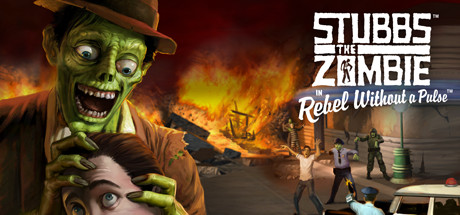
And Stubbs the Zombie in Rebel Without a Pulse, with its blunt, joyful tagline “Be the Zombie. Kick A and Take Brains,” shares that same gritty, unapologetic physicality. The player review glows with affection for its remaster—“I have always loved this game… worth every penny”—echoing how fans adore Reigen not despite his flaws, but because of them: his scams are clumsy, his ethics flexible, his heart stubbornly, messily open. Stubbs doesn’t brood—he swings a meat hook, stumbles over tombstones, and occasionally pauses to admire a sunset while covered in gore. Like Reigen, he’s a force of chaotic care wrapped in slapstick decay. Neither is noble. Both are relentlessly, hilariously human—even when technically undead.
This pairing isn’t for fans of clean power fantasies or polished lore dumps. It’s for the person who keeps a half-dead succulent on their desk because it reminds them they’re still trying, who laughs when their phone autocorrects “meeting” to “melting,” who’s watched Reigen fake a séance while secretly crying in the supply closet—and felt seen. It’s for players who replay Undertale’s pacifist route not for perfection, but for the quiet joy of choosing mercy when no one’s watching, and for those who boot up Stubbs just to watch him trip over his own entrails, then get back up, groaning, to steal a sandwich. They’re drawn to stories where the miracle isn’t transcendence—it’s showing up, flawed and funny and fiercely, tenderly alive.
🎮9 Games That Match the Vibe




Match Dimensions Explained
❓Frequently Asked Questions
Why does Undertale keep coming up in Mob Psycho 100 REIGEN game recommendations?
Because both lean hard into surreal, fourth-wall-bending comedy and body horror—like when Sans drops his goofy act and the screen glitches violently, mirroring Mob’s psychic breakdowns or Reigen’s increasingly unhinged 'spiritual consultations'. Undertale’s pacifist route even mirrors Reigen’s con-artist charm masking real emotional weight, just like how Mob’s quiet anxiety contrasts with explosive psychic outbursts.
Is there a Mob Psycho 100 REIGEN video game adaptation?
No—there’s no official Mob Psycho 100 REIGEN game. The matches you see (like Undertale, Postal III, Stubbs the Zombie) aren’t adaptations; they’re algorithmic matches based on shared vibes: occult absurdity, over-the-top body horror, and deadpan parody. Reigen’s fake exorcisms and Mob’s uncontrolled psychic bursts line up tonally with Stubbs’ brain-snatching slapstick or Undertale’s 'determination'-fueled reality warps—not plot or characters.
How do Postal III and Stubbs the Zombie compare for Mob Psycho 100 REIGEN fans?
Both nail the chaotic, self-aware parody vibe—but Stubbs leans into physical comedy (zombie limps, crowd-surfing via headless bodies) like Reigen’s ridiculous 'spiritual demonstrations', while Postal III mirrors Mob’s inner turmoil through grotesque, escalating body horror—like when the Postal Dude’s face melts mid-rant, echoing Mob’s psychic meltdown scenes. Player reviews even call Stubbs 'worth every penny' for its unhinged energy, much like Reigen’s 'miraculous' scams.
What’s the best game like Mob Psycho 100 REIGEN if I want that mix of goofy confidence and sudden existential dread?
Undertale is your best bet—especially during the Genocide Route, where cheerful music cuts to silence as Sans’ eye sockets hollow out and gravity distorts, hitting that exact Mob Psycho whiplash between dumb jokes and soul-crushing stakes. It’s got the same tonal whiplash as Reigen’s ‘I’m a *real* psychic!’ monologues collapsing into raw vulnerability—plus that 67-score match confirms the shared Body Horror & Occult + Comedy & Parody DNA.