
Take My Brother Away!
Based on a Chinese web comedy manga.
Shi Miao simply cannot stand her lazy, stupid, and unreliable elder brother Shi Fen, who is one year above her at the same high school. Though the two siblings can only depend on each other, Shi Miao's violent tendencies combined with Shi Fen's knack for causing trouble cause them to fight constantly. And so, Shi Miao can only hope that someone might take her brother away—even though, when push comes to shove, Shi Fen always tries to do what he believes is best for his cute younger sister.
Note: Airing dates reflect the original airing and premiere dates in China, where it aired earlier than it did in Japan.
📺Anime Details
📝Editorial Analysis
Shi Miao’s fist connects with Shi Fen’s jaw—not hard enough to draw blood, but just hard enough to send him stumbling backward into a stack of cafeteria trays that clatter like a dropped xylophone. He blinks, dazed, a half-eaten steamed bun still dangling from his fingers. She doesn’t yell. She exhales—sharp, tired, familiar—and grabs the bun from his hand before he drops it. That breath. That quiet, exhausted recalibration mid-chaos. That’s the heartbeat of Take My Brother Away!
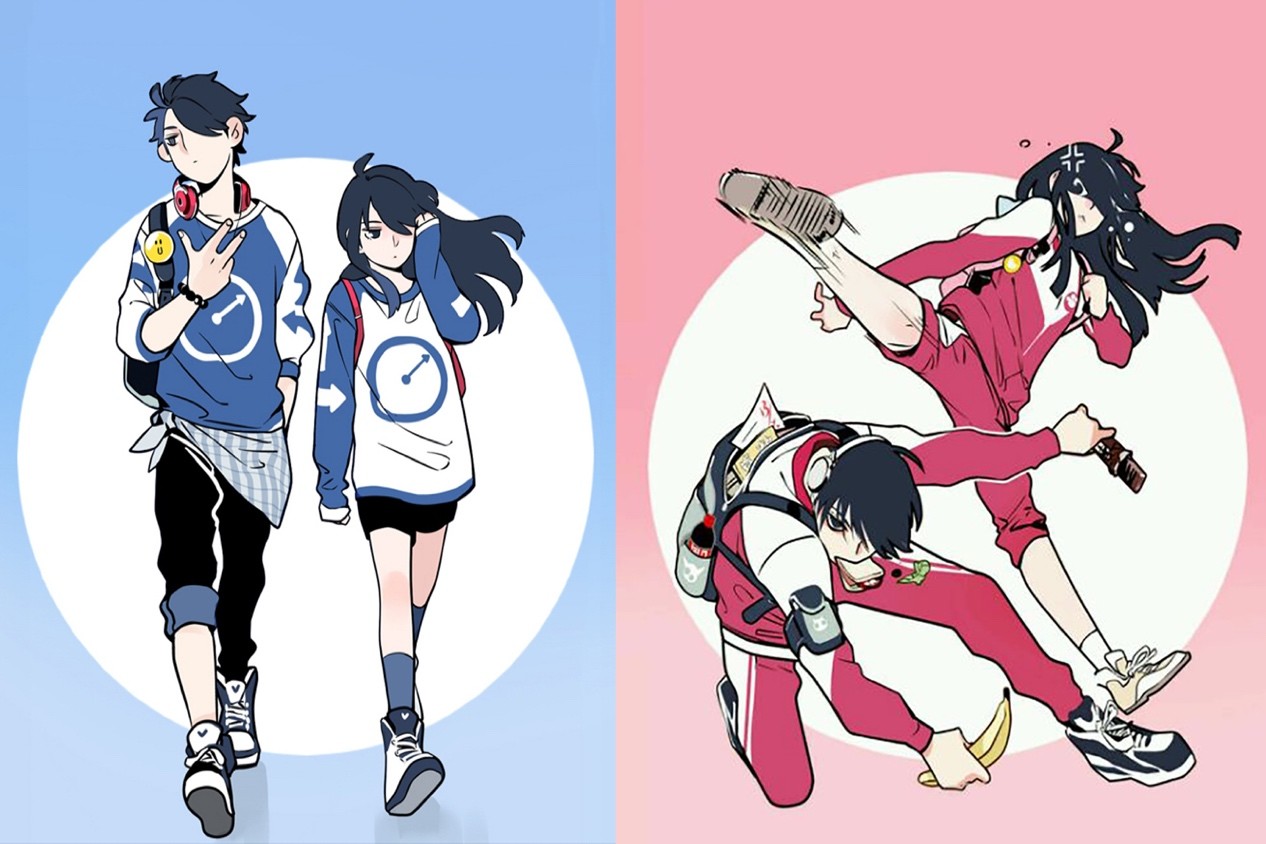
It doesn’t feel like a sitcom. It feels like living in the gap between irritation and instinct—where every slapstick collision hides a reflexive reach for the other’s wrist when they trip on stairs, where every “I wish you’d vanish!” is whispered just loud enough for them both to hear, and just soft enough that neither pretends they mean it. There’s no grand tragedy, no looming villain—just two teenagers orbiting each other in tight, messy gravitational pull: one perpetually exasperated, the other perpetually unmoored, both too young to name the loyalty stitching them together. The comedy isn’t about the fights—it’s inside them, humming beneath the surface like shared static. You don’t laugh at their chaos. You laugh with the recognition—that yes, love can sound exactly like a shout followed by silence, then the rustle of someone handing you their last dumpling.
That emotional DNA—the tender friction of forced proximity, the way absurdity and vulnerability share the same breath—echoes in games that treat adolescence not as plot scaffolding, but as texture. Prince of Persia (score: 81) lands here not because of sand or swords, but because its description names Melancholic Exploration alongside Comedy & Parody—a rare pairing that mirrors Shi Miao’s sighs and Shi Fen’s pratfalls. Like her, the Prince stumbles through spaces both vast and intimate, his grand journey punctuated by small, human missteps: a missed ledge, a clumsy quip, a moment where awe and awkwardness blur. A player review calls it “a new prince, new lands and a brand new story”—but what lingers isn’t the scale, it’s the tone: how epic stakes fold gently around private, almost embarrassed tenderness. Just like Shi Fen trying—and failing—to fix the leaky faucet because he saw Shi Miao frown at it, the Prince’s heroism often lives in the quiet, slightly ridiculous act of showing up wrongly, but anyway.
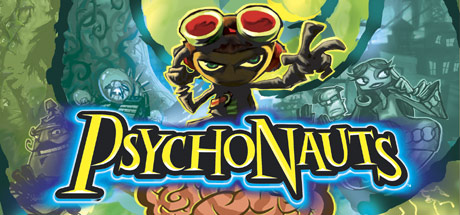
Then there’s Psychonauts, where the description promises “A Psychic Odyssey Through the Minds of Misfits, Monsters, and Madmen”—and that word misfits is the key. Not villains. Not archetypes. Misfits: kids whose emotions are too loud, too tangled, too weird to fit classroom labels. Shi Miao and Shi Fen aren’t rebels or prodigies; they’re the siblings who get detention for “excessive mutual sabotage,” whose bond reads as dysfunction until you notice how precisely they time their exits so the other isn’t left alone with the teacher. A player review jokes about “milking… highly creamy men,” but the real resonance is in Psychonauts’ commitment to rendering inner chaos with affectionate precision—just as Take My Brother Away! renders sibling rage with the same care it gives Shi Fen’s offhand offer to carry her books home after she’s kicked his shin. Both understand: the most surreal landscapes are the ones inside teenage heads, and the funniest moments arrive right after the most fragile ones.
And Bully: Scholarship Edition, with its description naming Jimmy Hopkins’ “hilarity and awkwardness of adolescence”—that phrase. Not rebellion, not trauma, but awkwardness: the cringe-sweat of walking past your brother in the hallway and pretending you don’t know him, then sharing fries five minutes later. Its player review notes stability issues on PC—but the emotional truth isn’t in the crashes. It’s in how Bully lets Jimmy fail spectacularly at being cool, kind, or even coherent, yet never lets him float untethered. Like Shi Fen, Jimmy’s worst stunts are always followed by a glance toward someone he’s trying, badly, to protect. Their worlds are ruled by physics—of social gravity, of consequence, of what happens when you shove someone and they fall into the fountain—but the warmth isn’t in the splash. It’s in the hand that pulls them out, grumbling.
This is for the person who rewatches the cafeteria tray scene three times—not for the slapstick, but for the silence after, when Shi Fen licks sesame seeds off his thumb and Shi Miao doesn’t stop him. For the player who pauses Psychonauts not to solve the puzzle, but to watch a character’s anxiety manifest as floating, wobbling furniture—because yes, that’s how it feels. They don’t want catharsis. They want recognition: the relief of seeing their own messy, contradictory, fiercely ordinary love reflected back—not polished, not profound, but true, in all its yelling-and-sharing-dumplings glory.
🎮10 Games That Match the Vibe



Match Dimensions Explained
❓Frequently Asked Questions
Why does 'Take My Brother Away!' match with Prince of Persia when they seem so different?
Great question—it’s not about surface-level plot, but that shared melancholic exploration vibe: both lean into quiet, emotionally charged moments (like Prince of Persia’s lonely desert ruins or the brother’s silent walks home) while undercutting them with dry, self-aware comedy. The reboot’s new prince even has that same weary-but-wry energy as the protagonist dealing with his chaotic sibling—plus both use environmental storytelling to convey family tension without dialogue.
Is there a movie or anime adaptation of 'Take My Brother Away!'?
No official adaptation exists yet—but interestingly, Psychonauts nails the *spirit* of what such an adaptation might feel like: surreal, emotionally raw, and darkly funny, like when Raz explores Coach Oleander’s twisted mind full of repressed guilt and absurd military theatrics—very much like the brother’s over-the-top, emotionally loaded outbursts in 'Take My Brother Away!'
How is Bully: Scholarship Edition similar to Take My Brother Away! compared to Just Cause 2?
Bully hits closer because it’s grounded in adolescent social chaos—think Jimmy getting dragged into cafeteria pranks or awkward locker-room negotiations—mirroring the sibling’s cringe-comedy power struggles and emotional whiplash. Just Cause 2 is all explosive, physics-driven chaos across 400 square miles; Bully keeps the stakes personal, messy, and painfully relatable—like when Jimmy tries (and fails) to impress his mom, echoing those 'I just want him to understand me' moments with the brother.
What’s the best game like 'Take My Brother Away!' if I’m in the mood for something quietly sad but weirdly hilarious?
Go straight to Psychonauts—the whole game is built on that exact tone: Raz navigating deeply vulnerable mental landscapes (like the neurotic, guilt-ridden asylum of the Girl Who Cried Wolf) while cracking deadpan one-liners mid-backflip. Its 72-score blend of Comedy & Parody and Melancholic Exploration matches *exactly* what makes 'Take My Brother Away!' resonate—awkward hugs, unspoken grief, and a rubber chicken used as emotional armor.