
Let This Grieving Soul Retire Cour 2
The second half of Nageki no Bourei wa Intai shitai.
Krai’s adventures as a reluctant leader return, with more chaos ahead.
(Source: Crunchyroll News)
📺Anime Details
📝Editorial Analysis
The slapstick sting of a misfired alchemical potion—green smoke blooming like a startled ghost, Krai’s hair briefly turning into writhing, sentient ivy—then the camera pulling back just as he trips over his own cloak and a shapeshifted companion pretending to be a potted fern. That split-second collapse of dignity, layered with magic gone sideways and zero narrative apology—that’s the breathless, off-kilter gravity of Let This Grieving Soul Retire Cour 2.




It doesn’t feel like a fantasy adventure—it feels like carrying grief in a backpack full of unstable reagents. The travel isn’t scenic; it’s lurching, detour-heavy, punctuated by sudden dungeon entrances disguised as suspiciously warm bakery ovens or overly polite talking badgers who demand dramatic monologues before granting passage. The harem isn’t romantic scaffolding—it’s an ensemble cast of chaotic collaborators, each with their own brand of magical incompetence, all orbiting Krai’s exhausted, deadpan leadership like dust motes in sunlit chaos. What lingers isn’t the action or the magic, but the melancholic exploration: the quiet weight behind Krai’s sigh when he realizes yet another “retirement plan” has dissolved into glittering, nonsensical mayhem. There’s real weariness in the parody—not mockery for its own sake, but tenderness folded into absurdity, like polishing a rusted sword while humming off-key.
That precise emotional DNA—the way comedy holds space for sorrow instead of erasing it—is why Prince of Persia resonates so sharply. Its description names “Melancholic Exploration” as core, and the player review confirms it’s built on new lands, a new prince, a brand new story completely separate—not escape, but reinvention forged in loss. Like Krai stepping into leadership he never asked for, the Prince walks ruins that remember older versions of himself. Both treat magic not as power fantasy, but as fragile, beautiful instability: alchemy fizzing unpredictably, sand slipping through fingers no matter how tightly you grip.
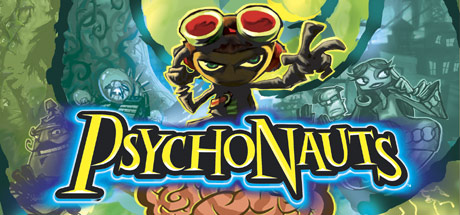
Then there’s Psychonauts, where the description promises a “Psychic Odyssey Through the Minds of Misfits, Monsters, and Madmen”—a phrase that could double as a subtitle for Krai’s party roster. The player review’s bizarre, fragmented tone (“highly creamy men”, “utterly rendered”) mirrors the anime’s own tonal whiplash: one moment you’re parsing tragic backstory via a badly timed shapeshifting gag, the next you’re staring at a character’s psyche laid bare in surreal, emotionally raw architecture. Both use parody not to undercut feeling, but to channel it—turning grief into something tactile, ridiculous, and ultimately survivable.
And Just Cause 2, with its “adrenaline-fuelled free-roaming adventure” across “400 square miles of rugged terrain”, shares the anime’s love of unplanned physics. The player review nails it: “it never had aspirations to be more than a fun b-movie game with lots of stunts and explosions”. That’s Krai’s entire travel montage—no grand strategy, just momentum, improvisation, and consequences ricocheting like grappling hooks off castle spires. The melancholy isn’t in stillness here; it’s in the aftermath of the explosion, when the smoke clears and everyone’s covered in soot, blinking, trying to remember why they jumped off that cliff in the first place.
Who lives for this? Not the person who wants clean arcs or cathartic victories. It’s the viewer who laughs while their chest tightens—someone who’s ever tried to cry in public and sneezed instead, who finds comfort in shared, slightly broken rhythms. They’re the players who replay Bully’s hallway pranks not for mastery, but because Jimmy’s awkward, defiant presence—his very unpolished adolescence—feels like breathing room. They don’t need resolution. They need the green smoke, the ivy-hair, the prince walking alone through a sun-bleached ruin, the psychic kid tiptoeing past a floating memory shaped like a half-eaten sandwich. They want stories where grief isn’t retired—it’s carried, sometimes clumsily, sometimes hilariously, always with a little magic leaking from the seams.
🎮10 Games That Match the Vibe






Match Dimensions Explained
❓Frequently Asked Questions
Why does Prince of Persia keep showing up in 'Games Like Let This Grieving Soul Retire Cour 2' lists?
Because both lean hard into melancholic exploration—like wandering the ruined palace gardens in Prince of Persia’s opening act, where silence and crumbling architecture mirror the protagonist’s quiet grief—while undercutting it with dry, self-aware comedy (e.g., the Prince’s sarcastic inner monologue about cursed sand). It’s that rare blend: emotionally weighty but never po-faced, just like Cour 2’s tonal balance.
Is there an anime or manga adaptation of Let This Grieving Soul Retire Cour 2?
No—Cour 2 is a fan-made mod/sequel to the original Let This Grieving Soul Retire visual novel, and as of now, there’s no official anime, manga, or licensed adaptation. That said, fans often compare its vibe to Psychonauts’ surreal mindscapes—like navigating Coach Oleander’s repressed guilt in the ‘Motherlobe’ levels—where emotional trauma literally reshapes the world around you.
How does Bully: Scholarship Edition compare to Let This Grieving Soul Retire Cour 2 in terms of tone?
Both use school-life satire to explore deeper melancholy: Bully’s Bullworth Academy—where Jimmy’s pranks on preppies or dodging jocks feel like coping mechanisms—mirrors Cour 2’s classroom scenes where the protagonist feigns apathy while quietly grieving. The shared ‘Comedy & Parody / Melancholic Exploration’ dimension explains why players describe both as ‘laughing through tears in a hallway full of lockers.’
What’s the best game like Let This Grieving Soul Retire Cour 2 if I want something deeply silly but still emotionally resonant?
Psychonauts is your perfect match—it’s got the same whiplash between absurdity (like milking ‘highly creamy men’ in the Meat Circus level) and raw vulnerability (Raz confronting his own abandonment fears in the ‘Milkman Conspiracy’). Its 70 Metacritic score reflects how well it balances Double Fine’s signature parody with genuine pathos, hitting the exact same dual-dimension sweet spot as Cour 2.