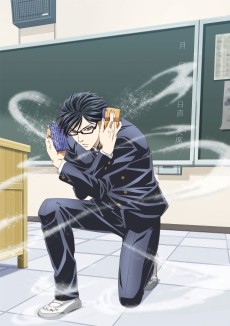
Haven't You Heard? I'm Sakamoto
First year high school student Sakamoto isn't just cool, he's the coolest! Almost immediately after starting school, he began attracting everyone's attention. The girls love him, and most of the boys resent him. There's even a boy in the class who works as a model, but who is constantly upstaged by Sakamoto! No matter what tricks the other boys try to play on him, Sakamoto always manages to foil them with ease and grace. Though Sakamoto may seem cool and aloof, he helps others when asked, such as in the case of the boy in his class who was being constantly bullied. No matter what difficulties Sakamoto encounters, he moves through his high school life with confidence and class!
(Source: MangaHelpers)
📺Anime Details
📝Editorial Analysis
Sakamoto’s hand doesn’t move—it arrives. One second he’s leaning against the classroom doorframe, backpack slung over one shoulder like a prop in a still life; the next, he’s holding a dropped bento box mid-air, three inches from the floor, while the girl who dropped it stares, mouth half-open, as if gravity itself paused to consult him first. No smirk. No flourish. Just quiet, unhurried certainty—like physics bowed out of respect.
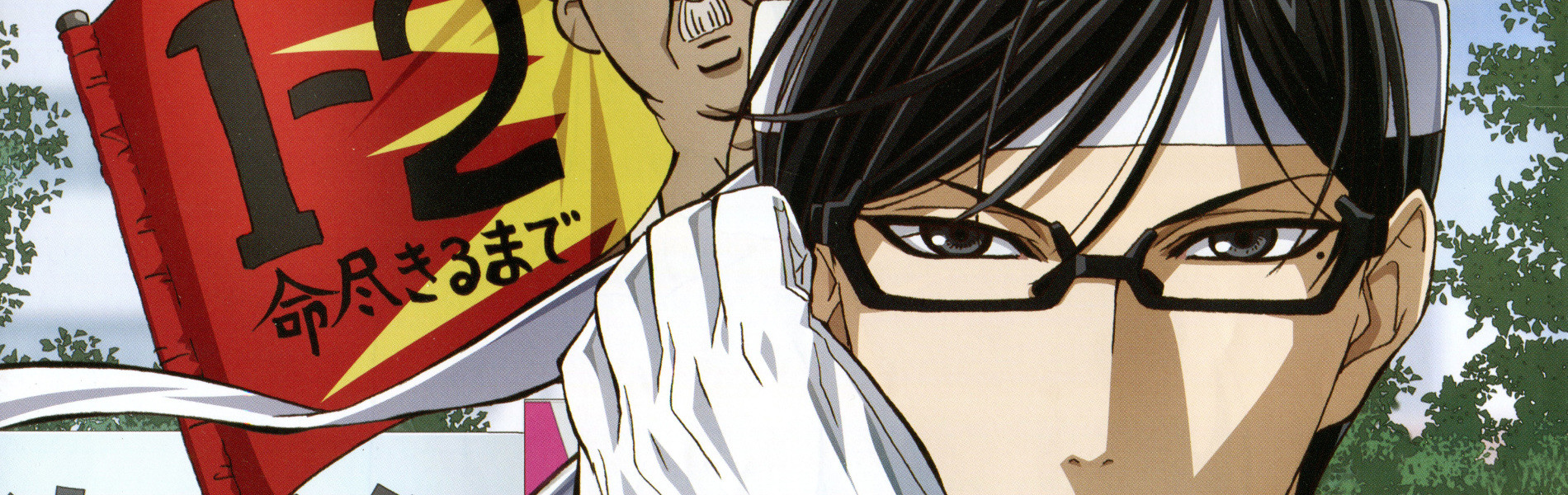
That’s the feeling: effortless sovereignty. Not dominance, not arrogance—but a serene, almost gravitational calm that makes chaos orbit around him instead of at him. Haven't You Heard? I'm Sakamoto doesn’t trade in punchlines or setups; it trades in presence. The absurdity isn’t in what happens—it’s in how little it ruffles him. A delinquent tries to trip him with a wire; Sakamoto steps over it without breaking stride, then uses the same wire to tie his shoelaces. A rival model attempts a photogenic pose beside him—Sakamoto blinks, and the sunlight catches his eyelashes at exactly the right angle, rendering the model’s entire effort invisible. It’s not surrealism for shock value. It’s surrealism as emotional logic: coolness so absolute it bends reality’s minor rules—not to win, but because winning was never the point. It makes you feel light, strangely dignified, even when laughing at a boy attempting to sabotage Sakamoto by replacing his shampoo with glitter gel—and waking up to find Sakamoto’s hair shimmering like a disco ball while calmly correcting his math homework.
That emotional DNA—the interplay of melancholic exploration, comedy & parody, and a deeply grounded, almost tender coming of age—echoes in games that treat adolescence not as trauma or triumph, but as a stage where absurdity and sincerity coexist without contradiction. Prince of Persia (score: 80, dims: Melancholic Exploration, Comedy & Parody) lands here precisely because its reboot embraces tonal duality: a prince navigating mythic ruins and delivering deadpan one-liners mid-backflip. Like Sakamoto, he moves through danger with preternatural grace—not because he’s invincible, but because his composure is the weapon. The player review notes it’s “a new prince, new lands and a brand new story”—mirroring how Sakamoto’s coolness isn’t inherited or earned in the usual sense; it’s just there, self-contained, rewriting the rules of his environment simply by existing within it.
Bully: Scholarship Edition (score: 70, dims: Comedy & Parody, Melancholic Exploration) resonates even more intimately. Its description nails it: Jimmy Hopkins endures “the hilarity and awkwardness of adolescence”—exactly the terrain Sakamoto glides across. He doesn’t escape the petty hierarchies of high school; he recontextualizes them. When Jimmy beats jocks at dodgeball or saves nerds from bullies, it’s not power fantasy—it’s gentle, wry subversion. The player review calls it “hilarious” and “awkward,” which is Sakamoto’s entire wavelength: the model’s crushed ego isn’t mocked—it’s absorbed into the rhythm of the day, like chalk dust settling after class. Both works treat bullying not as villainy to be vanquished, but as clumsy, almost pathetic social static—something Sakamoto sidesteps, Jimmy disarms, and both do so with quiet empathy, never condescension.
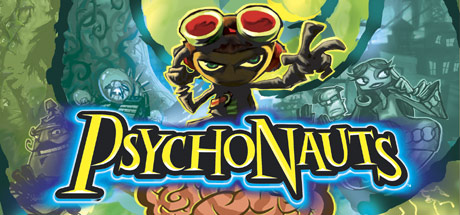
And then there’s Psychonauts, also scoring 70 on those same dimensions. Its description promises “A Psychic Odyssey Through the Minds of Misfits, Monsters, and Madmen”—which is, in essence, what Sakamoto does every day: he navigates the warped, fragile, hilarious inner worlds of his classmates without ever entering them. He doesn’t psychoanalyze the delinquent; he hands him a tissue when he cries after failing a test. He doesn’t compete with the model; he helps him adjust his collar before photo day. The player review’s odd phrasing—“milking of certain highly creamy men, his utters are beautifully rendered”—feels unintentionally apt: Sakamoto’s charm isn’t performative; it’s textural, tactile, beautifully rendered in small gestures—holding a door, catching a falling notebook, adjusting a classmate’s crooked name tag. Like Raz in Psychonauts, Sakamoto walks among fractured psyches and treats each one with irreverent, unflinching kindness.
This pairing isn’t for people who want catharsis or escalation. It’s for the ones who recognize cool as a form of radical stillness—who smile when Sakamoto folds origami cranes during detention, or when Jimmy Hopkins pauses mid-prank to help a kid tie his shoes. It’s for players who replay Just Cause 2’s stunts not for the explosions, but for the weightless joy of drifting down from a parachute jump, watching the island shrink below—just as viewers rewatch Sakamoto’s walk home, savoring how the afternoon light catches the edge of his uniform, how the wind lifts his hair just so, how nothing—not envy, not chaos, not even gravity—can make him hurry. You love this when you know grace isn’t the absence of mess. It’s the quiet, unshakeable choice to move through it—elegant, kind, and utterly, unfailingly yourself.
🎮10 Games That Match the Vibe







Match Dimensions Explained
❓Frequently Asked Questions
Why does Prince of Persia keep coming up when I search for games like Haven't You Heard? I'm Sakamoto?
Because both lean hard into that deadpan, melancholic-yet-absurd tone—like Sakamoto’s slow-motion walk through the schoolyard while the world freezes, Prince of Persia’s time-bending acrobatics and quiet, poetic narration create the same bittersweet rhythm. The 2024 reboot even mirrors Sakamoto’s self-aware coolness: a lone, stylish protagonist moving with impossible grace through surreal, emotionally charged spaces.
Is there an anime or game adaptation of Haven't You Heard? I'm Sakamoto?
No official anime or game adaptation exists—but Bully: Scholarship Edition is the closest *spiritual* match in gameplay and vibe: Jimmy Hopkins struts through Bullworth Academy with Sakamoto-level confidence, pulling off absurd pranks (like launching jocks off catapults) while quietly navigating teenage alienation. It’s not a direct adaptation, but it nails that same blend of razor-sharp parody and unexpected melancholy.
How is Psychonauts different from Just Cause 2 if both are listed as similar to Sakamoto?
Psychonauts digs into inner worlds—like Raz’s journey through a paranoid janitor’s mind, full of surreal, emotionally raw set-pieces—while Just Cause 2 leans into over-the-top external chaos: Rico Rodriguez gliding between exploding helicopters and collapsing bridges across Panau. Both share Sakamoto’s comedic timing and existential undertones, but Psychonauts is introspective satire; Just Cause 2 is B-movie farce with heart.
What’s the best Sakamoto-like game if I want that ‘calm, stylish, slightly sad but hilarious’ mood?
Go straight to Prince of Persia (2024)—its score of 80 is the highest on the list for good reason. The way the Prince moves with balletic precision across crumbling ruins, narrating his own legend with weary irony, hits the exact same sweet spot as Sakamoto’s slow-mo hallway walks and fourth-wall-breaking monologues. It’s melancholic exploration *and* comedy, wrapped in one impeccably dressed package.