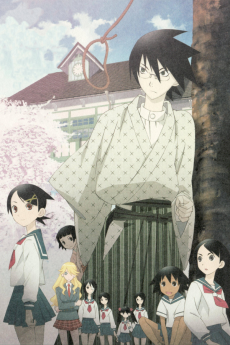
Sayonara, Zetsubou-Sensei
Itoshiki Nozomu is always in despair! Even simple things like paying for the toll on the subway can send him to a despair so deep only attempted suicide is the answer. How Strange is it then, that he should be the teacher of a High School Class filled with students with even more emotional problems than his. This great Comedy will leave you in anything but 'Despair' as you meet each of his students and watch their wacky adventures.
📺Anime Details
📝Editorial Analysis
The chalk snaps in half as Itoshiki Nozomu collapses to his knees in front of the classroom blackboard—not from exhaustion, but because the price of a subway toll has just crystallized into an existential singularity. His tie is askew, his hair wild, his eyes wide with the sheer weight of mundane arithmetic. A student hands him a noose made of origami paper. Another calmly offers a pamphlet titled “Ten Ways to Exit Gracefully (With Bonus Footnotes on Tax Deductions).” The bell rings. No one moves. The despair isn’t tragic—it’s precise, absurdly calibrated, and somehow… hospitable.
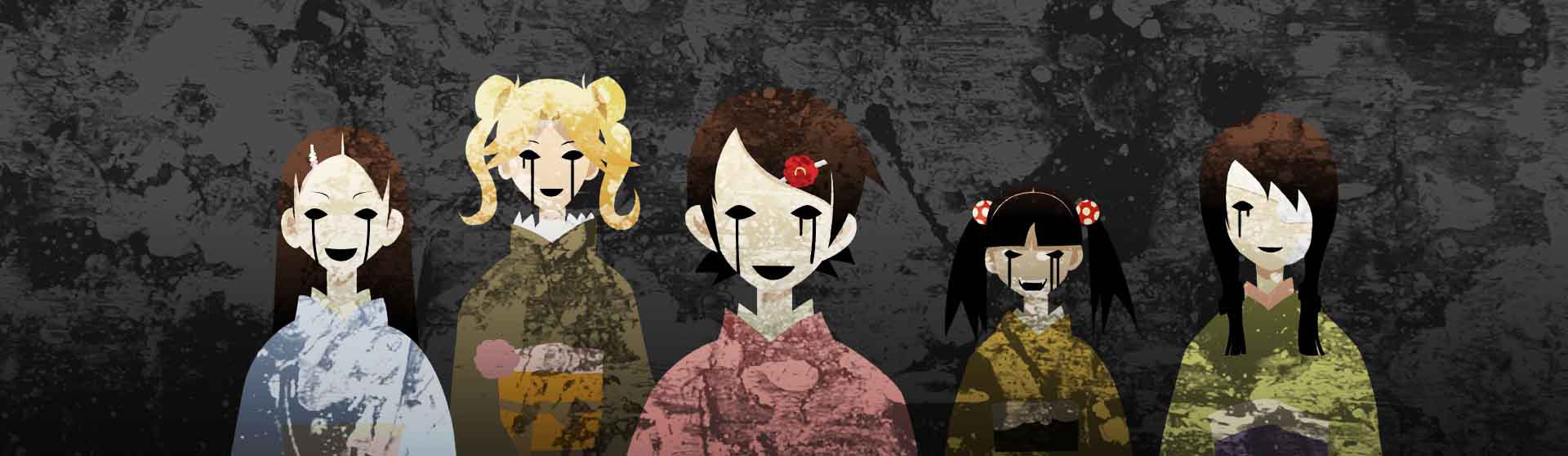
What makes Sayonara, Zetsubou-Sensei vibrate at this frequency isn’t its satire alone, nor even its parade of hyper-specific neuroses—though yes, every student embodies a real cultural anxiety, weaponized into comedy. It’s how the show treats melancholy as infrastructure. Despair isn’t the climax; it’s the floorplan. The classroom isn’t a setting—it’s a diagnostic chamber where emotional logic is dissected with surgical glee. You don’t recover from the jokes—you recalibrate inside them. It leaves you not uplifted, but unmoored in a good way: giggling while your brain quietly reassembles its definitions of dignity, agency, and what counts as “normal” resistance to late-capitalist absurdity.
That same emotional architecture hums in Prince of Persia, where melancholic exploration isn’t backdrop—it’s grammar. The description calls it “an all-new epic journey,” yet the player review hints at something quieter: a reboot that doesn’t erase history but repeats it with variation, like Nozomu attempting suicide via increasingly baroque Rube Goldberg devices—same impulse, new physics engine. Both use ritualized failure (a fall, a misstep, a snapped rope) not as punishment, but as syntax. Every reset is a chance to refine the despair—more elegant, more ironic, more intentional.
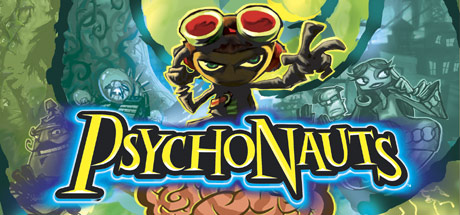
Then there’s Psychonauts, whose description promises “A Psychic Odyssey Through the Minds of Misfits, Monsters, and Madmen”—a phrase that could be lifted straight from a Sayonara, Zetsubou-Sensei episode title. The player review, though garbled (“milking of certain highly creamy men”), accidentally nails the tone: it’s about rendering interior chaos with tactile, almost bureaucratic care. Like when Chiri’s obsessive-compulsive rituals are mapped onto literal conveyor belts in her mental landscape—or when Kafuka’s “positive thinking” manifests as a violently cheerful mascot that eats doubt whole. Psychonauts doesn’t pathologize its characters’ minds; it furnishes them. So does Sayonara, Zetsubou-Sensei: each student’s psyche isn’t broken—it’s over-engineered, full of labeled drawers, blinking warning lights, and self-referential signage.
And then—unexpectedly—Bully: Scholarship Edition. Its description frames adolescence as “hilarity and awkwardness,” but the structure is what resonates: a school as a lawless microcosm where social roles are costumes you wear, discard, and parody mid-sentence. The player review complains about crashes on PC—but that friction, that sense of the system bucking under its own tonal weight? That’s pure Sayonara, Zetsubou-Sensei. Jimmy Hopkins doesn’t solve bullying—he narrates around it, weaponizes irony, turns detention into improv. Just like Nozomu doesn’t teach biology—he teaches how to collapse gracefully in the face of institutional nonsense, then grades the aesthetic of the collapse.
This isn’t for people who want catharsis. It’s for the ones who recognize the shape of their own overthinking in the curve of a cartoon noose. For readers who dog-ear pages of Ōe Kenzaburō and then laugh out loud at a character trying to unionize despair. For players who replay the same 30 seconds of Just Cause 2 not for mastery—but to watch a jeep flip just so, mid-air, as if gravity itself were winking. They’re the ones who keep a notebook titled “Things That Are Technically True But Emotionally Catastrophic” and underline the word technically. They don’t seek escape. They seek recognition—not of pain, but of the style of their pain. The kind of person who, after watching Nozomu attempt seppuku with a plastic spork, closes the laptop, stares at their own coffee cup, and whispers, “Huh. That’s… weirdly valid.”
🎮13 Games That Match the Vibe






Match Dimensions Explained
❓Frequently Asked Questions
Why does Psychonauts keep coming up in 'games like Sayonara, Zetsubou-Sensei' lists?
Because both dive headfirst into surreal, darkly comic psychological landscapes—like Raz’s trip into Coach Oleander’s paranoid, militarized mind (with its marching cacti and propaganda reels), which mirrors Zetsubou-Sensei’s classroom breakdowns of societal absurdity. Psychonauts nails the same blend of sharp parody and melancholic exploration you get when Nami’s existential dread meets a talking, depressed cloud.
Is there a Sayonara, Zetsubou-Sensei game adaptation?
No—there’s never been an official video game adaptation of *Sayonara, Zetsubou-Sensei*. But if you’re craving that exact tone, *Bully: Scholarship Edition* is your closest match: Jimmy’s sarcastic narration, the satirical take on high school hierarchies (jocks vs. nerds vs. preps), and moments like the ‘Cheat the System’ minigame echo the series’ deadpan critique of social conformity and despair.
How does Prince of Persia compare to Bully for dark comedy fans?
Prince of Persia leans into melancholic exploration with its ruined cities and time-bent ruins—think the Prince’s weary monologues over crumbling sandscapes—while *Bully* delivers grounded, character-driven satire (like the ‘Dodge Ball’ minigame where you humiliate bullies while muttering dry one-liners). Both score 60+ in Comedy & Parody + Melancholic Exploration, but *Bully* hits harder on verbal irony; *Prince* trades dialogue for visual poetry.
What’s the best game like Sayonara, Zetsubou-Sensei if I want that specific vibe of laughing while staring into the void?
Go straight to *Psychonauts*: its level inside the mind of a guilt-ridden, weeping boy—where every object is a distorted memory and even the background music sobs softly—mirrors how *Zetsubou-Sensei* frames nihilism as a punchline. The game’s tone lives in that exact sweet spot: absurd gags (like milking ‘highly creamy men’) layered over genuine emotional weight, just like when Kitsu calmly lists suicide methods while a cartoon bird chirps.